Get your Rolls-Royce Phantom Engine Repair in Dubai with CarWorkshop.ae
The Rolls-Royce Phantom is engineered to deliver refined power, smooth acceleration, and a composed driving experience. Its engine depends on several interconnected systems, including lubrication, cooling, fuel delivery, air intake, ignition, and electronic management. When one of these systems develops a fault, the vehicle may experience reduced performance, unusual noises, overheating, warning messages, or irregular engine operation.
Rolls-Royce Phantom engine repair in Dubai should begin with a detailed diagnosis of the reported symptoms and the engine's operating condition. Similar warning signs can have different causes, so replacing a component based only on a dashboard message or unusual sound may not resolve the underlying problem. A suitable assessment considers diagnostic information alongside mechanical inspection and relevant system tests.
Engine specifications and component arrangements can vary between Phantom generations and model years. The appropriate repair therefore depends on the vehicle's engine configuration, mileage, maintenance history, and inspection findings. Whether the concern involves an oil leak, cooling fault, misfire, fuel delivery problem, or internal engine damage, identifying the actual cause is essential before selecting a repair solution.
Common Signs Your Rolls-Royce Phantom Needs Engine Repair
Engine problems may begin with minor changes in sound, performance, temperature, or fuel consumption. Recognising these changes early can help owners arrange an inspection before a developing fault causes more extensive damage.
Unusual Engine Noise
Knocking, tapping, rattling, or grinding sounds from the engine compartment can indicate a mechanical or accessory-related concern. Possible causes include lubrication problems, worn internal components, loose parts, or issues involving belts and connected assemblies. The timing of the noise, engine temperature, and operating conditions can help guide the investigation. Persistent or severe knocking should be treated seriously, particularly if accompanied by an oil pressure warning or reduced performance.
Engine Overheating
A rising temperature reading or repeated overheating may indicate a problem with the cooling system or another engine-related component. Possible causes include coolant leakage, radiator restrictions, thermostat faults, water pump problems, or cooling fan issues. Continued operation while the engine is overheating can increase the risk of cylinder head distortion and internal damage. Stop safely, switch off the engine, and arrange an inspection rather than continuing to drive.
Reduced Engine Power and Slow Acceleration
If the Phantom feels less responsive than usual, the cause may involve fuel delivery, air intake, ignition, exhaust flow, sensors, or mechanical engine condition. The vehicle may struggle to accelerate smoothly or may not deliver power consistently. These symptoms do not automatically indicate internal engine damage, so a complete assessment is important. Diagnostic data and targeted testing can help identify which system is affecting performance.
Engine Misfires and Rough Idling
An engine that shakes at idle, hesitates during acceleration, or runs unevenly may be experiencing a misfire or combustion-related problem. Possible causes include ignition component faults, fuel delivery irregularities, air leaks, sensor issues, or reduced cylinder compression. The affected system should be identified through suitable testing before parts are replaced. Ignoring persistent misfires may affect engine operation and can lead to additional problems.
Oil Leaks or Falling Engine Oil Level
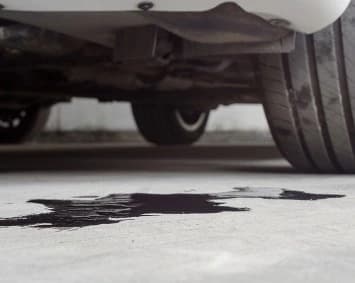
Oil spots beneath the vehicle or visible residue around engine components may indicate leakage from a seal, gasket, filter housing, or connection. A falling oil level may also be associated with internal oil consumption. Because engine oil is essential for lubrication and heat management, the source of any loss should be investigated promptly. If an oil pressure warning appears, stop safely and switch off the engine.
Excessive Exhaust Smoke
Changes in exhaust smoke can provide useful clues about engine condition. Persistent blue smoke may be associated with oil entering the combustion process, while thick white smoke after the engine has warmed up may indicate coolant entering a cylinder. Black smoke can be associated with an incorrect air-fuel mixture or fuel delivery concerns. These observations are not conclusive on their own, so further testing is needed to establish the cause.
Engine Warning Light
An engine warning light may indicate that the vehicle's management system has detected an irregular operating condition. The cause could involve sensors, ignition, fuel delivery, emissions-related components, air intake, or another engine system. Diagnostic scanning helps retrieve relevant fault information, but a stored code does not automatically prove that a particular component has failed. The findings should be confirmed through appropriate inspection and testing.
Increased Fuel Consumption
A noticeable increase in fuel consumption may indicate that the engine is not operating as efficiently as expected. Possible causes include sensor irregularities, ignition problems, fuel system faults, air intake restrictions, or changes in engine operating conditions. Driving patterns and traffic conditions should also be considered. Reviewing diagnostic data and inspecting relevant systems can help establish whether a mechanical or electronic fault is responsible.
Rolls-Royce Phantom Engine Repair Services
Engine repair requires an understanding of how the vehicle's mechanical components and supporting systems work together. The following services may be relevant depending on the Phantom's configuration, reported symptoms, and diagnostic findings.
Engine Diagnostic Testing
Engine diagnostics help identify irregularities recorded by the vehicle's control systems. The assessment may include reading fault codes, reviewing available live data, and checking relevant sensor values and operating conditions. Diagnostic information is used to guide further investigation rather than automatically determine which part needs replacement. Mechanical testing may also be necessary when symptoms suggest an internal engine problem.
Engine Oil Leak Detection and Repair
Oil leaks can develop around seals, gaskets, housings, covers, or other engine connections. An inspection helps locate the source and establish whether the problem involves a deteriorated seal, damaged component, loose connection, or another issue. The appropriate repair depends on the affected area and the engine configuration. After the repair, relevant oil levels and serviced areas should be checked for signs of further leakage.
Cooling System Fault Diagnosis
The cooling system helps regulate engine temperature during operation. Problems involving the radiator, thermostat, water pump, cooling fans, hoses, or coolant connections can contribute to overheating. Inspection and suitable testing help identify the affected component and determine whether repair or replacement is required. Addressing the original cooling fault is important when overheating has contributed to engine damage.
Engine Misfire and Ignition Repair
Misfires can result from problems involving ignition components, fuel delivery, air intake, sensors, wiring, or cylinder condition. Depending on the engine configuration, the assessment may include checking relevant ignition components, reviewing fault information, and carrying out further tests to identify the affected cylinder or system. Repair should be based on confirmed findings rather than replacing multiple parts without diagnosis. Correcting the cause helps restore smoother engine operation.
Fuel Delivery and Air Intake System Repair
The engine requires an appropriate supply of fuel and air to support combustion. Faults involving fuel pumps, injectors, filters, intake connections, sensors, or related control components can affect performance and starting behaviour. The inspection should consider fuel delivery, air intake condition, and relevant electronic information. Repairs are selected according to the results and the specific engine system fitted to the Phantom.
Engine Sensor and Electronic Control Diagnosis
Engine operation relies on sensor information and electronic control systems to manage several functions. A damaged sensor, wiring fault, poor connection, or control system irregularity may cause warning lights, rough running, or reduced performance. Diagnostic scanning can help identify affected circuits and recorded faults, while additional testing helps confirm the source. Any required replacement or configuration procedure should follow the vehicle-specific requirements.
Engine Mount and Connected Component Inspection
Engine mounts support the engine and help manage movement during operation. Worn or damaged mounts may contribute to vibration, knocking sensations, or movement that becomes noticeable during acceleration. Related brackets, hoses, and connected components may also need inspection when symptoms suggest excessive movement. Checking these parts helps distinguish an engine operating fault from a support or mounting issue.
Internal Engine Component Repair
When testing indicates internal mechanical damage, further inspection may be required to assess the affected components. Depending on the findings, the work may involve cylinder head components, valves, seals, pistons, bearings, or other internal assemblies. The extent of repair depends on the engine's condition and whether the affected parts remain within applicable specifications. Major disassembly should be recommended only when supported by diagnostic and inspection results.
Engine Performance Verification
After the required repairs, the engine should be checked under suitable operating conditions. Verification may include reviewing warning indicators, monitoring relevant operating data, checking fluid levels, assessing idle quality, and inspecting for leaks or abnormal noises. Additional testing may be needed if the original symptoms remain. These checks help establish whether the repair has addressed the reported concern.
Our Rolls-Royce Phantom Engine Repair Process
A structured engine repair process helps identify the underlying fault and establish which work is necessary. It also reduces the risk of replacing components without confirming their condition.
Step 1: Reviewing Engine Symptoms and Maintenance History
The process begins by discussing the symptoms, such as overheating, unusual noises, reduced power, rough idling, oil loss, or warning messages. Available maintenance records and previous repair details can provide useful context. The vehicle's model year, engine configuration, and mileage are also considered because these factors influence inspection and repair requirements.
Step 2: Carrying Out an Initial Engine Inspection
The engine compartment and accessible components are inspected for visible leaks, damaged connections, unusual movement, and signs of overheating. Fluid levels and general operating conditions may also be reviewed where appropriate. This initial assessment helps identify obvious concerns and determines which systems require further testing.
Step 3: Performing Diagnostic and Mechanical Tests
Suitable diagnostic equipment may be used to retrieve fault codes and review relevant engine data. Depending on the symptoms, additional checks may include compression testing, leak detection, cooling system pressure assessment, or electrical testing. The selected tests should be relevant to the reported problem and the specific engine configuration. Findings are considered together before a repair recommendation is made.
Step 4: Identifying the Root Cause
The inspection and test results are reviewed to distinguish the original fault from any secondary symptoms. For example, overheating may be caused by a cooling system problem rather than an internal engine defect, while rough running may involve ignition or fuel delivery. Establishing the root cause helps determine the appropriate repair and whether related components also need attention.
Step 5: Completing the Required Engine Repair
The repair is selected according to the confirmed fault and the condition of the affected components. Work may involve repairing leaks, replacing a faulty component, addressing cooling or fuel delivery problems, or carrying out more extensive mechanical repairs. Compatible parts and vehicle-specific procedures should be used throughout the process.
Step 6: Checking Related Engine Systems
After the main repair, relevant connected systems should be checked to ensure that the original fault has not affected other components. Depending on the work, this may include the cooling system, lubrication, intake, ignition, fuel delivery, and electronic controls. Any additional work should be based on inspection findings rather than assumptions.
Step 7: Verifying Engine Operation After Repair
The engine is operated under suitable conditions and checked for abnormal noises, leaks, warning indicators, and irregular performance. Relevant diagnostic information and fluid levels may also be reviewed. If the original symptoms remain, further investigation is needed before the repair can be considered complete.
Why Accurate Engine Diagnosis Is Important for a Rolls-Royce Phantom
The engine depends on several systems working together, so a single symptom can have multiple possible explanations. Reduced power, for example, may result from fuel delivery, ignition, air intake, exhaust restrictions, sensor faults, or internal mechanical wear. Replacing parts based on symptoms alone can leave the original problem unresolved and lead to unnecessary work.
Accurate diagnosis helps establish whether the issue is mechanical, electrical, fuel-related, or associated with cooling and lubrication. Fault codes and live data provide useful information, but they should be interpreted alongside physical inspections and suitable tests. This is especially important when the problem occurs intermittently or only under particular operating conditions.
Timely attention is also important when warning signs involve overheating, low oil pressure, or severe engine noise. Continuing to operate the engine under these conditions may increase the risk of extensive damage. A repair plan based on confirmed findings helps address the immediate fault while considering any related problems that could affect future operation.
Rolls-Royce Phantom Engine Repair in Dubai
Dubai's climate and driving environment can place additional demands on engine cooling and related systems. High ambient temperatures, congested traffic, and extended periods of idling may make an existing cooling or performance concern more noticeable. Regular attention to coolant condition, radiator operation, cooling fans, and visible leaks can help identify developing problems.
Dust and road debris may accumulate around exposed cooling surfaces and air intake components. If airflow becomes restricted, heat exchange or engine breathing may be affected, depending on the location and extent of the restriction. Inspections of relevant filters, radiator areas, and intake components can help identify these concerns. However, overheating or reduced engine performance should always be diagnosed rather than automatically attributed to local weather.
For Rolls-Royce Phantom engine repair Dubai services, the vehicle's operating history, model year, mileage, and engine configuration should guide the repair assessment. Identifying the source of the problem, checking connected systems, and verifying engine operation after the work help support dependable performance in Dubai's driving conditions.
Why Choose CarWorkshop.ae for Rolls-Royce Phantom Engine Repair?
CarWorkshop.ae connects Rolls-Royce owners with automotive service options suited to their vehicle's repair and maintenance requirements. For Phantom engine concerns, the priority is to understand the symptoms, identify the affected system, and establish the repair needed for the specific vehicle. This approach helps ensure that recommendations are based on inspection findings rather than assumptions.
A thorough engine assessment may consider lubrication, cooling, fuel delivery, ignition, air intake, sensors, electronic controls, and internal mechanical components. Looking at these systems together helps distinguish between related symptoms and the underlying fault. Vehicle-specific parts and appropriate repair procedures are important when addressing engine problems on a Rolls-Royce Phantom.
Owners exploring wider maintenance and repair requirements can find relevant information through Rolls-Royce Service in Dubai.
Information about workshop and repair options for the brand is also available through Rolls-Royce Garage in Dubai.
For model-specific maintenance and repair information, Rolls-Royce Phantom Service in Dubai is relevant to owners seeking support for their vehicle.
Frequently Asked Questions About Rolls-Royce Phantom Engine Repair Dubai
Q: What are the common signs that my Rolls-Royce Phantom needs engine repair?
A: Common warning signs include unusual engine noises, overheating, reduced power, rough idling, oil leaks, excessive exhaust smoke, and engine warning lights. These symptoms can have several possible causes. A suitable inspection and diagnostic assessment are needed to identify the actual problem.
Q: Why is my Rolls-Royce Phantom engine overheating?
A: Overheating may be caused by coolant leaks, radiator restrictions, thermostat problems, water pump faults, cooling fan issues, or other engine-related concerns. The cooling system should be inspected to identify the source. If the engine overheats, stop safely, switch it off, and do not open the coolant cap while the system is hot.
Q: Can I drive my Phantom with an engine warning light on?
A: The seriousness of an engine warning depends on the message, vehicle behaviour, and the fault detected. If the warning is accompanied by overheating, an oil pressure warning, severe noise, or major loss of power, stop safely and arrange assistance. Diagnostic checks should be carried out before deciding whether the vehicle can be driven.
Q: What causes rough idling in a Rolls-Royce Phantom?
A: Rough idling may be associated with ignition faults, fuel delivery problems, air leaks, sensor irregularities, or reduced cylinder compression. Engine mounts can also contribute to vibration that feels like an engine running problem. Diagnosis helps distinguish between these possibilities before repairs are recommended.
Q: Does engine repair always require replacing the complete engine?
A: No. Many engine problems can be addressed through targeted repairs involving seals, sensors, ignition components, cooling system parts, or fuel delivery components. Complete engine replacement is a separate major repair and should only be considered when inspection confirms that it is necessary.
Q: Why is my Phantom losing engine oil?
A: Oil loss may result from external leakage around seals, gaskets, housings, or connections, or from internal oil consumption. The source should be identified because insufficient lubrication can cause serious engine damage. If an oil pressure warning appears, stop safely and switch off the engine.
Q: Can a diagnostic scan identify every engine problem?
A: No. A diagnostic scan can retrieve stored fault codes and available system information, but it cannot identify every mechanical problem. Issues involving compression, internal wear, leaks, or physical damage may require additional testing and inspection. Fault codes should be confirmed before components are replaced.
Q: How often should I have my Rolls-Royce Phantom engine inspected?
A: Inspection requirements depend on the model year, mileage, service history, engine configuration, and manufacturer maintenance schedule. Driving conditions may also influence the vehicle's maintenance needs. Any unusual noise, fluid loss, warning message, or change in performance should be assessed without waiting for the next scheduled service.
Q: How long does Rolls-Royce Phantom engine repair take?
A: The time required depends on the cause of the fault, the extent of damage, component accessibility, and whether additional testing or major mechanical work is necessary. A minor repair differs significantly from internal engine work. A more accurate timeframe can be established after the vehicle has been inspected.
Restore Refined Engine Performance in Your Rolls-Royce Phantom
A healthy engine is essential to the smooth power delivery, refinement, and dependable performance expected from a Rolls-Royce Phantom. Accurate diagnosis, suitable component repairs, and checks of the cooling, lubrication, fuel, and ignition systems help address engine concerns at their source. For Rolls-Royce Phantom engine repair in Dubai, explore suitable service options through CarWorkshop.ae.