Oil Leak From Car: What It Means & How to Fix It
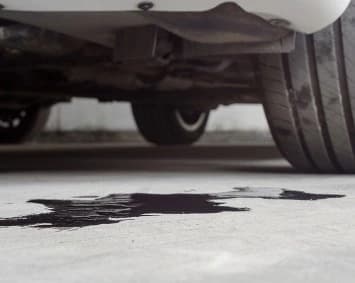
Spotting a dark patch on the ground where your car was parked is enough to make any driver uneasy. Oil leaking from a car is one of the most common mechanical concerns, and while some leaks are small and slow, others can lead to serious engine damage if they are ignored. At CarWorkshop.ae, we help vehicle owners understand what their car is trying to tell them and connect them with qualified professionals when a problem needs expert attention. This guide explains why a car leaks oil, how to identify the source, which safe checks you can try yourself and when it is time to stop driving and get help.
Why Is My Car Leaking Oil? Understanding the Basics
Engine oil has several jobs. It lubricates moving metal parts, carries heat away from the engine, reduces friction and keeps internal components clean. To do all this, oil circulates under pressure through passages, filters, seals and gaskets. Each of these connection points is a place where oil can eventually escape.
Seals and gaskets are made of rubber, cork or similar materials, and they harden, shrink and crack over time because of heat and age. Add vibration, pressure changes and mileage, and it is easy to see why an oil leak is such a frequent problem. The key is not to panic but to learn what the leak looks like, where it comes from and how fast it is growing, because those three details tell you how urgent the situation is.
How to Tell If It Really Is an Oil Leak
Not every puddle under a car is engine oil. Cars can drip water from the air conditioning, coolant from the cooling system, brake fluid, power steering fluid or transmission fluid. Telling them apart is the first step.
Place a clean sheet of white paper or cardboard under the car overnight and look at the stain in the morning. Engine oil is usually amber to dark brown or black and feels slippery and slightly gritty between the fingers. New oil looks light golden, while old oil appears thick and dark. Water from the air conditioning is clear and has no smell. Coolant tends to be bright green, pink or orange and has a sweet odour. Transmission fluid is often reddish and brake fluid is clear to yellowish brown with a distinct smell.
If the stain is dark, slick and smells like burnt oil, you are most likely dealing with an engine oil leak.
Reading the Location of the Leak
Where the oil appears under the car often points to where the leak begins, although oil can travel along the underside of the engine before it drips.
A leak near the front of the engine may come from the front crankshaft seal, the timing cover gasket or the oil pan. A drip toward the middle of the car often relates to the oil pan, the drain plug or the oil filter. A leak toward the rear of the engine can mean a failing rear main seal or a leaking transmission joint. Oil on top of the engine or running down the sides frequently comes from a worn valve cover gasket or a loose oil filler cap.
Because oil spreads and blows backward while driving, an accurate diagnosis usually needs the car to be lifted and the area cleaned and inspected properly.
Worn Valve Cover Gasket
The valve cover gasket seals the top of the engine, keeping oil inside the cylinder head. Over time the gasket becomes brittle from constant heat and starts to seep. This is one of the most common reasons for oil leaking from a car, especially on vehicles with higher mileage.
Signs include oil residue around the top of the engine, a burning smell after a drive because oil is dripping onto hot exhaust parts, and in some cases smoke from the engine bay. The repair is usually straightforward when caught early, but a long neglected leak can foul spark plugs and ignition coils, leading to misfires and rough running.
Damaged Oil Pan or Drain Plug
The oil pan sits at the bottom of the engine and holds the oil supply. Because it hangs low, it can be hit by road debris, speed bumps or rough surfaces, leaving cracks or dents. The pan gasket can also wear out, and the drain plug can loosen or have a damaged washer after an oil change.
A leak from this area often leaves a visible drip beneath the middle of the engine, and the rate can range from slow seepage to a steady stream. Any leak from the oil pan should be taken seriously because the oil level can drop quickly, and driving with low oil can cause very costly engine damage.
Faulty Oil Filter or Poor Installation
The oil filter is designed to trap dirt and metal particles, and it must seal tightly against the engine. If the filter is loose, cross threaded, damaged or fitted with a doubled sealing ring, oil can escape under pressure.
This type of leak often appears soon after an oil change, which is a clear clue. A quality filter fitted correctly and checked during every service dramatically reduces the risk, which is why careful workmanship matters as much as the parts themselves.
Worn Crankshaft and Rear Main Seals
Crankshaft seals stop oil from escaping where the spinning crankshaft exits the engine at the front and rear. When these seals harden or wear, oil seeps out slowly and can coat the area behind the engine or the front belts.
A rear main seal leak is more demanding to repair because the transmission often has to be separated from the engine to reach it. Early signs include small spots under the car that gradually grow and oil around the joint between the engine and the gearbox. Because of the labour involved, owners often delay this repair, but a worsening leak can contaminate the clutch or other parts and make the repair larger.
Timing Cover and Camshaft Seal Leaks
At the front of the engine, timing covers and camshaft seals keep oil away from belts and chains. If these seals fail, oil can reach the timing belt or drive belts, causing them to slip, stretch or break. A broken timing belt can lead to severe internal engine damage in many designs.
If you see oil on the front of the engine, notice squealing from belts or smell burning rubber, have the area checked promptly. Seeking professional car engine repair at the first sign of oil in these areas can protect expensive components and prevent a minor leak from turning into a major failure.
Worn Piston Rings, Turbo Seals and Internal Wear
Not all oil loss shows up as a puddle. Some engines burn oil internally because of worn piston rings, tired valve stem seals or a leaking turbocharger. In these cases, you may see blue grey smoke from the exhaust, notice that the oil level drops between services even though the ground stays clean and detect a faint burning smell.
Internal oil consumption is a sign of engine wear and should be assessed by a technician. Topping up oil without finding the cause only hides the problem and delays the repair.
Overfilled Oil and High Pressure
Too much oil can be just as harmful as too little. An overfilled engine builds excess pressure that pushes oil past seals and gaskets that would otherwise hold. A clogged crankcase ventilation valve can create similar pressure inside the engine.
If a leak appears right after oil has been added or changed, check the dipstick. If the level is well above the maximum mark, it should be corrected by a professional rather than ignored.
Warning Signs You Should Never Ignore
An oil leak does not always announce itself loudly. Learn to notice the early signals so you can act before the damage spreads.
Watch for oil spots where you park, a burning oil smell after driving, smoke rising from under the bonnet, a dropping oil level on the dipstick, a low oil pressure warning light, a check engine light, unusual engine noises such as ticking or knocking and blue smoke from the exhaust. Any of these deserves attention, and a warning light for oil pressure means you should stop driving as soon as it is safe to do so.
Safe Checks You Can Do at Home
A few simple checks help you understand the situation before you ask for help. Park the car on level ground with the engine off and cooled, then pull out the dipstick, wipe it clean, reinsert it fully and read the level between the minimum and maximum marks. Note the colour and texture of the oil, since milky or foamy oil may signal a coolant mixing issue that needs urgent attention.
Look under the bonnet for wet, shiny areas or dirt that looks greasy and has collected around gaskets. Check that the oil filler cap is tight and the dipstick is seated properly. Take a photo of any stains or wet areas, as this helps a technician later.
Never touch hot engine parts, never crawl under a car supported only by a jack and never attempt repairs on the exhaust area with the engine warm. Safety comes first.
Is It Safe to Drive With an Oil Leak?
The answer depends on how serious the leak is. A very light seep that leaves a small spot occasionally may allow short, careful drives while you arrange a repair, provided you check the oil level often. A leak that drips steadily, makes smoke or triggers a warning light is not safe to drive with.
Engines need a steady supply of oil to avoid overheating and seizing. Running low on oil can wear bearings, scorch internal surfaces and cause permanent damage within minutes. Oil dripping onto a hot exhaust can also create a fire risk. If you are unsure, the safest decision is to avoid driving and get the car inspected.
What Happens During Professional Oil Leak Diagnosis
A proper diagnosis goes beyond looking at the stain. The engine bay and underside are cleaned so fresh oil can be traced to its true origin. Technicians may use special dye that glows under ultraviolet light, pressure tests and a visual inspection of seals, gaskets, the oil pan, the filter housing and connected parts.
Once the source is found, the repair plan is explained clearly. This may involve replacing a gasket, resealing a joint, renewing a seal, changing a filter or addressing deeper engine wear. A good professional will also check the oil level, recommend the correct oil grade and inspect nearby components for damage caused by the leak.
How to Prevent Oil Leaks
Most oil leaks develop slowly, and consistent care is the best protection. Following the service schedule in your owner's manual keeps oil fresh, filters clean and seals lubricated. A regular car service lets a technician inspect gaskets, seals and fluid levels and catch tiny seeps before they become real leaks.
Between services, check the oil level every few weeks, use the oil grade recommended for your engine, avoid long delays between oil changes and fix small problems early. Drive carefully over speed bumps and rough roads to protect the oil pan, and pay attention to any new smell, smoke or stain. Small habits add up to a longer life for your engine.
How CarWorkshop.ae Can Help
Dealing with an oil leak can feel confusing, especially when you are unsure how serious it is. CarWorkshop.ae is a car servicing network that connects vehicle owners with experienced professionals who can diagnose oil leaks, repair seals and gaskets and support ongoing maintenance. Our goal is to make the process clear and organised, so you always know what is happening with your car and what to do next.
Frequently Asked Questions
Q: Why is my car leaking oil when parked?
A: Oil often drips while parked because the engine is no longer circulating it, and the oil settles and runs down from worn seals or gaskets. Cooling metal can also contract and release small amounts of oil. A fresh spot after the car sits is a sign that something is leaking and should be inspected.
Q: What colour is leaking engine oil?
A: New engine oil is usually light amber, while used oil turns dark brown or black. If the fluid under your car is red, green, pink or clear, it may be a different fluid, so checking the colour and smell helps identify the source.
Q: Can I keep driving if my car is leaking a little oil?
A: A very small seep may allow short trips if you check the oil level often, but it should still be repaired soon. If the leak is steady, smoky or causes a warning light, stop driving and arrange professional help to prevent engine damage.
Q: How do I find where the oil leak is coming from?
A: Clean the engine area, park the car over paper or cardboard and look for the first place fresh oil appears. Because oil spreads while driving, a technician may use dye and a lifted inspection to locate the exact source with confidence.
Q: Will an oil leak damage my engine?
A: Yes, if it is ignored. As the oil level falls, parts lose lubrication and heat builds up, which can wear or seize the engine. Oil can also damage belts, hoses and rubber parts, so early repair protects the rest of the car.
Q: Is a burning oil smell serious?
A: It can be. A burning smell usually means oil is dripping onto hot engine or exhaust parts. This can create a fire risk and signals that the leak needs to be repaired as soon as possible.
Q: How often should I check my engine oil?
A: A good habit is to check the oil level every few weeks and before long trips. Use the dipstick on level ground with the engine off and cool, and follow the guidance in your owner's manual.
Take Action Before a Small Leak Becomes a Big Problem
Oil leaking from a car is easier and kinder to your budget to deal with when caught early. Keep an eye on stains, smells and warning lights, check your oil level regularly and never ignore a leak that keeps growing. When you need clear guidance and trusted professionals, CarWorkshop.ae is here to help you take the next step. Reach out to us today and let us help you protect your engine, your safety and your peace of mind.