Get your Land Rover LR3 Engine Repair in Dubai with CarWorkshop.ae
The LR3 is a capable, heavy SUV that was sold with petrol and diesel engines, and by now most examples have covered considerable distance. Engines of this age and workload often develop leaks, worn components and sensor faults, and a vehicle that has seen desert use, towing or long periods in traffic ages faster than one driven gently on easy roads.
A proper repair starts with careful diagnosis. The technician listens to the engine, scans for stored fault codes, reads live data, checks fluid condition and then carries out tests such as compression, cooling system pressure and oil pressure where needed. These checks show exactly what is wrong, which keeps the repair focused and prevents expensive parts from being replaced on a guess.
How an Engine Fault Is Diagnosed Properly
A diagnosis combines several kinds of evidence. Fault codes point to the system that has complained, live data shows how sensors behave while the engine runs and physical tests confirm whether the mechanical parts are healthy. No single test tells the whole story, which is why a skilled technician uses them together.
Compression and leak down testing reveal the condition of the pistons, rings and valves, while a cooling system pressure test finds leaks that are invisible when the engine is cold. An oil pressure check shows whether the bearings and pump are in good health. Together these results decide whether the fix is minor, moderate or major.
Misfires, Ignition and Sensor Faults
A rough idle, hesitation or a flashing warning light often points to a misfire. The cause can be as simple as a worn spark plug or ignition coil, or a faulty sensor feeding wrong information to the engine control unit, and replacing the right small part restores smooth running at modest effort.
Crankshaft and camshaft sensors, air flow sensors and oxygen sensors also age, and a sensor that drifts can make the engine run poorly without any obvious damage. Testing them with proper equipment avoids replacing healthy parts and finds the real culprit quickly.
Oil Leaks, Gaskets and Seals
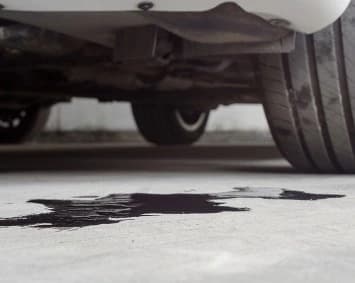
Rubber and gasket materials harden with heat and age, and an older engine commonly seeps oil from the valve covers, the sump, the front and rear seals or the oil cooler connections. A small seep is a nuisance, but a large leak can drop the oil level and cause serious damage within a short time.
Repairing a leak early also protects other parts. Oil dripping onto belts, hoses or wiring can soften and damage them, so fixing the source stops the spread and keeps the engine bay clean and reliable.
Overheating and Cooling System Failures
Overheating is one of the most damaging faults an engine can suffer, and it can warp the cylinder head or damage the head gasket in a short time. Common causes include a leaking hose, a failing water pump, a stuck thermostat, a blocked radiator or a weak cooling fan.
If the temperature gauge climbs or the coolant level keeps falling, the vehicle should be stopped and inspected. A quick repair to the cooling system is far cheaper than repairing an engine that has overheated badly, and it often saves the engine entirely.
Timing Components, Turbochargers and Diesel Parts
Timing chains, belts, tensioners and guides wear over time, and a noisy or stretched timing system can upset valve timing and cause damage if it fails. A rattle on start up or poor running deserves a prompt check.
Diesel versions add turbochargers, injectors, glow plugs and intercooler pipes, all of which can wear or leak with age. Loss of power, black smoke or a whistling noise are common signs, and each is traced to its cause before parts are replaced.
Signs Your LR3 Engine Needs Repair
Common signs include knocking or ticking noises, smoke from the exhaust, a rough idle, loss of power, higher fuel use and a warning light on the dashboard. White smoke, blue smoke and black smoke each point to a different problem, which a technician can interpret quickly.
Other warning signs include oil on the ground, a burning smell, a rising temperature gauge, milky residue under the oil cap and an engine that is hard to start. If any of these appear, avoid long journeys and have the vehicle checked, since a running fault can worsen quickly.
Repair Levels From Minor Fixes to a Full Rebuild
Many engine faults are minor, such as a coil, a sensor or a hose, and the repair is quick and affordable in effort. These are the most common outcomes when a problem is caught early.
Moderate repairs include gaskets, water pumps, timing parts and turbochargers. Major repairs, such as cylinder head work, a rebuild or an engine replacement, are needed only when internal parts are badly worn or damaged, and the technician explains the options clearly so the owner can decide what makes sense for the vehicle.
Rebuild Versus Replacement
A rebuild restores the existing engine by replacing worn parts, while a replacement fits another engine in its place. The right choice depends on the condition of the block and heads, the availability of parts and the intended use and value of the vehicle.
A good technician gives an honest assessment and explains the benefits and risks of each route. The goal is a reliable engine that suits the owner's needs, not the largest possible repair.
Common Causes of LR3 Engine Problems
Age and distance are the biggest factors, followed by overheating, skipped oil changes, poor fuel quality and dust entering the air intake. Heavy towing, desert use and long periods in slow traffic add further strain.
A neglected air filter lets abrasive dust into the engine, and old oil loses its protective qualities. Regular servicing prevents most of these causes, which is why maintenance history matters so much when judging the health of an older engine.
How Dubai Heat and Desert Dust Affect an LR3 Engine
High temperatures put heavy load on the cooling system and shorten the life of rubber parts, gaskets and hoses. Slow traffic keeps the engine hot without the cooling effect of steady speed, so weak cooling parts show up quickly.
Fine dust blocks filters and radiators and works into every opening. A regular Land Rover service routine that includes cooling checks, fresh oil and clean filters keeps heat and dust from slowly wearing the engine out.
Choosing the Right Team for LR3 Engine Repairs
Engine work demands accuracy, patience and experience. A skilled team tests before repairing, uses suitable parts, follows the correct procedures and checks the result thoroughly, instead of guessing and replacing parts until the symptom disappears.
Every technician working through this network follows a structured process, and repairs supported by a dedicated Land Rover LR3 service team benefit from direct experience with this exact model. That familiarity helps recognise typical faults and points the repair toward a result that lasts.
Booking Land Rover LR3 Engine Repair Through a Trusted Network
Working through a wider network gives you flexibility in choosing a convenient time and location, without being tied to a single workshop with limited availability. Through CarWorkshop.ae, your LR3 is matched with technicians who suit its needs, and the broader network of Land Rover garage specialists can handle related work such as cooling, transmission and suspension found during diagnosis.
You receive a plain explanation of what was found, what the options are and what was done, with confirmation that the engine was tested afterward. That clarity helps you understand the work and creates a useful record of the vehicle's history.
What Happens After Your Engine Repair
Once the repair is complete, the engine is run, tested for leaks, checked for stored codes and taken on a road test. This final check confirms that the original complaint has been resolved and nothing new has appeared.
You also receive guidance on breaking in repaired parts if needed, the correct oil to use and when to return for a follow up check. Following that advice helps the repair last and protects the new work.
Protecting Your LR3 Engine After the Repair
Change the oil on time with the correct grade, keep the air filter clean and check the coolant level regularly. Let the engine warm gently, avoid hard driving until it is warm and allow it to settle after heavy use.
Watch the temperature gauge, listen for new noises and mention any change early to a trusted specialist. Small signs are easy to deal with, and prompt attention is the best protection for an engine that has been repaired.
Frequently Asked Questions About Land Rover LR3 Engine Repair
Q: How do I know whether my LR3 needs a minor fix or a major engine repair?
A: Only diagnosis can tell, because compression, pressure and scan tests show whether the fault is a small part or internal wear, and the technician explains the findings before work begins.
Q: Is it safe to drive with the engine warning light on?
A: A steady light may allow a short trip, but a flashing light or overheating calls for stopping at once, and any warning should be checked promptly to avoid damage.
Q: What does smoke from the exhaust mean?
A: White, blue and black smoke point to different problems, such as coolant, oil or fuel issues, and a technician can read the cause quickly and recommend the right repair.
Q: Should I rebuild or replace my engine?
A: It depends on the condition of the engine, parts availability and the value and use of the vehicle, and a good technician explains both options honestly.
Q: Does Dubai heat make engine problems more likely?
A: Heat and dust stress cooling systems, seals and filters, so regular checks and on time servicing are especially valuable for keeping an older engine reliable here.
Give Your LR3 an Engine Built to Keep Going
An LR3 can serve for many more years when its engine is diagnosed carefully and repaired with the right parts and methods. Our team at CarWorkshop.ae helps Dubai owners reach experienced technicians, thorough testing and clear explanations built around lasting results instead of guesswork. Whether you have noticed a faint noise or a serious loss of power, the right specialist makes a real difference. Contact us today to arrange your appointment.