Get your Lamborghini Sian Engine Repair in Dubai with CarWorkshop.ae
The Lamborghini Sian is a high-performance supercar engineered with advanced powertrain technology, precise mechanical components, and demanding performance requirements. Its engine needs proper lubrication, effective cooling, accurate fuel delivery, and reliable electronic management to operate as intended. When a fault develops, identifying the underlying cause early can help prevent additional damage and support long-term engine reliability.
Lamborghini Sian Engine Repair in Dubai begins with a structured assessment of the symptoms, vehicle condition, and available diagnostic information. Whether the concern involves abnormal engine sounds, oil leaks, overheating, rough running, or reduced power, the repair approach should be based on verified findings rather than guesswork. CarWorkshop.ae helps owners explore suitable engine repair options with attention to the vehicle's specifications and performance requirements.
Why Professional Lamborghini Sian Engine Repair Matters
Protecting High-Performance Engine Components
A high-performance engine operates through the coordinated function of numerous mechanical, lubrication, cooling, fuel, and electronic systems. A fault affecting one area can place additional stress on other components if it remains unresolved. Proper diagnosis helps determine whether the issue requires a targeted repair, component replacement, or more extensive investigation, reducing the risk of unnecessary work.
Maintaining Smooth Engine Operation
Unusual vibration, unstable idling, hesitation, and inconsistent acceleration can indicate an engine management problem or a mechanical fault. These symptoms may originate from ignition components, fuel delivery, air intake restrictions, sensors, or other systems. A detailed assessment helps distinguish between possible causes and guides the repair process towards restoring consistent operation.
Preventing Further Engine Damage
Oil pressure problems, coolant loss, overheating, and abnormal mechanical noises can become serious if ignored. Continuing to operate an engine under these conditions may increase wear or damage internal components. Recognising early warning signs and arranging appropriate inspection can help limit further deterioration and protect the vehicle's overall reliability.
Common Signs Your Lamborghini Sian Needs Engine Repair
Loss of Engine Power or Acceleration
If your Lamborghini Sian feels less responsive than usual, struggles to accelerate, or experiences unexpected power limitations, the cause should be investigated. Potential factors include fuel delivery problems, restricted airflow, ignition faults, sensor issues, or engine protection systems responding to an abnormal condition. Diagnostic testing and physical inspection help identify the actual fault before replacement parts are selected.
Unusual Engine Noises
Knocking, tapping, rattling, or persistent mechanical noise may indicate problems involving lubrication, moving components, accessories, or other engine systems. Some noises may occur only during cold starts or under acceleration, making the circumstances in which they appear important for diagnosis. Sudden or severe knocking should never be ignored, particularly when accompanied by an oil pressure warning or loss of power.
Engine Overheating
An engine temperature that rises beyond its normal operating range can indicate coolant loss, a cooling system fault, restricted circulation, or another problem requiring attention. Overheating can damage seals, cylinder head components, and other internal parts if the engine continues running under excessive temperatures. Stop safely if overheating occurs, switch off the engine when appropriate, and arrange an inspection. Never remove a hot cooling system cap.
Oil Leaks or Unusual Oil Consumption
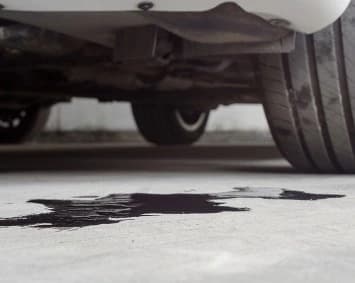
Oil spots beneath the vehicle, visible residue around engine components, or a noticeable increase in oil consumption may indicate a leak or internal engine concern. The source could involve seals, gaskets, connections, or other components. Correct diagnosis is important because low oil levels or inadequate lubrication can lead to excessive friction and serious engine damage.
Engine Warning Lights
An engine warning light may indicate a fault involving emissions monitoring, sensors, ignition, fuel delivery, or engine management. The warning alone does not identify the exact cause, so compatible diagnostic equipment and further testing may be required. If the warning flashes or appears alongside severe vibration, overheating, or significant power loss, stop driving when safe and seek professional assistance.
Rough Idling or Engine Misfires
Uneven idling, hesitation, or misfiring can result from ignition issues, fuel system faults, air intake problems, sensor errors, or mechanical conditions affecting combustion. These symptoms may become more noticeable during starting, acceleration, or changes in engine load. Prompt diagnosis helps determine whether the repair involves a specific component or requires deeper mechanical investigation.
Our Lamborghini Sian Engine Diagnostic Process
Initial Symptoms and Vehicle Assessment
A reliable repair begins by understanding when the problem occurs, how long it has been present, and whether any warning lights or unusual sounds accompany it. Information about recent servicing, fluid loss, starting difficulties, or changes in performance can help guide the inspection. The initial assessment establishes a direction for testing without assuming that one symptom always has a single cause.
Computerised Engine Diagnostics
Compatible diagnostic equipment can retrieve relevant fault codes and engine management information where supported by the vehicle's systems. These results can help identify areas that need further investigation, including sensors, ignition, fuel delivery, and electronic controls. Fault codes should not be treated as a final diagnosis because additional testing is often needed to confirm the failed component or underlying cause.
Mechanical Inspection and Testing
Physical inspection may include checking for oil leaks, coolant loss, damaged connections, loose components, and signs of abnormal wear. Depending on the symptoms, further tests may be required to evaluate compression, lubrication, cooling performance, or other mechanical functions. The scope of testing should be appropriate to the reported problem and the vehicle's specific configuration.
Identifying the Root Cause
Replacing a component without confirming the cause can lead to recurring symptoms and unnecessary repairs. For example, an engine misfire may relate to ignition, fuel delivery, wiring, sensors, or an internal mechanical issue. Reviewing diagnostic results alongside physical findings helps establish a more accurate repair plan and clarifies whether additional checks are necessary.
Lamborghini Sian Engine Repair Services in Dubai
Engine Oil Leak Diagnosis and Repair
Oil leaks can develop around seals, gaskets, connections, or other areas exposed to engine oil. The correct repair depends on locating the source and assessing whether nearby components have also been affected. After the repair, fluid levels and relevant areas should be checked to help confirm that the leak has been addressed and that the engine has appropriate lubrication.
Engine Cooling System Repair
Cooling system concerns may involve coolant leaks, hoses, connections, pumps, thermostatic controls, or radiator-related components, depending on the vehicle's design. Accurate testing helps identify why the engine temperature is rising or why coolant levels are falling. Repairs should restore appropriate coolant circulation and temperature control while following the manufacturer's specifications for the vehicle.
Engine Misfire and Performance Repair
Engine misfires can affect smoothness, power delivery, and emissions performance. Diagnosis may involve inspecting ignition components, fuel delivery, intake systems, wiring, sensors, and relevant mechanical conditions. Addressing the underlying cause helps restore consistent combustion and can prevent continued misfiring from affecting other components.
Fuel Delivery and Air Intake Diagnosis
An engine requires the correct balance of fuel and air for efficient operation. Fuel pressure concerns, restricted intake flow, leaks, or faulty sensors can affect starting, acceleration, and overall engine behaviour. Testing the relevant systems helps identify whether cleaning, adjustment, component repair, or replacement is appropriate for the fault.
Engine Sensor and Control System Repair
Engine sensors provide information used by electronic control systems to manage operating conditions. Damaged wiring, faulty sensors, connector problems, or control-related issues can contribute to warning lights, inconsistent performance, and abnormal running. Diagnosis should verify the signal or circuit problem before a component is replaced, followed by appropriate checks to confirm normal operation.
Internal Engine Inspection and Repair
More serious symptoms may require investigation of internal engine components. Depending on the findings, testing may focus on compression, lubrication, unusual mechanical noise, or evidence of internal wear. Internal repairs require careful assessment and vehicle-specific procedures, with the repair scope determined by the condition of the affected components rather than by symptoms alone.
Understanding Engine Overheating and Oil Pressure Problems
Why Engine Temperature Must Be Monitored
Excessive engine temperature can affect lubrication, seals, gaskets, and internal mechanical clearances. A cooling system fault may begin with a small leak or an ineffective component before producing more noticeable overheating. If the temperature warning appears, avoid continuing the journey in the hope that the issue will resolve itself. Allow the engine to cool safely and arrange an appropriate inspection.
Why Low Oil Pressure Requires Immediate Attention
Engine oil creates a protective film between moving parts and helps reduce friction and heat. Low oil pressure can prevent adequate lubrication, potentially damaging internal components in a short time. If an oil pressure warning appears while the engine is running, stop safely and switch off the engine as soon as appropriate. Do not restart it until the cause has been assessed.
Distinguishing Between Minor and Serious Faults
Some engine symptoms may be caused by a sensor or external component, while others indicate a serious mechanical problem. A warning light, unusual sound, or fluid leak should therefore be evaluated in context. The vehicle's behaviour, diagnostic results, fluid condition, and physical inspection findings help determine the severity of the issue and the safest next step.
How Dubai Driving Conditions Can Affect Engine Performance
Stop-Start Traffic and Heat Exposure
Frequent traffic congestion can increase the time an engine spends operating at low speeds and idling. In Dubai's hot climate, cooling system condition and appropriate fluid maintenance are especially important. Routine inspections can help identify deteriorating hoses, leaks, fluid concerns, and other faults before they lead to unexpected engine trouble.
Dust and Air Intake Maintenance
Dusty conditions can place additional demands on air filtration and intake components. A restricted or damaged air filter can affect airflow, while contamination entering the intake system may contribute to component wear. Following the appropriate inspection and replacement schedule helps maintain suitable airflow and supports reliable engine operation in local driving conditions.
Highway Driving and Sustained Engine Load
Long journeys and sustained higher-speed driving can place continuous demands on engine lubrication and cooling systems. Before an extended trip, pay attention to fluid levels, warning indicators, unusual sounds, and changes in temperature or performance. If a known engine fault is present, have it assessed before undertaking a demanding journey.
Owners looking for wider maintenance support can explore Lamborghini Service in Dubai for information about servicing and repair options for Lamborghini vehicles.
Maintaining your Lamborghini Sian's engine requires timely attention to warning signs, accurate fault diagnosis, and repairs suited to its specific engineering requirements. Whether you are dealing with overheating, oil leaks, misfires, unusual noises, or reduced performance, identifying the root cause helps protect engine reliability and supports informed maintenance decisions. For model-specific service information, explore Lamborghini Sian Service in Dubai.
For further information about Lamborghini repair and maintenance options, Lamborghini Garage in Dubai can help you explore relevant vehicle care services.
Maintaining Your Lamborghini Sian After Engine Repair
Follow the Recommended Maintenance Schedule
Regular maintenance helps identify developing problems before they become more serious. Oil and filter servicing, fluid checks, cooling system inspections, and other scheduled tasks should follow the manufacturer's requirements for the vehicle. Maintenance needs may vary depending on usage, driving conditions, and the vehicle's service history, so recommendations should be based on the applicable specifications.
Use Appropriate Fluids and Replacement Components
Engine oil, coolant, filters, and other replacement components must meet the requirements specified for the Lamborghini Sian. Choosing products based only on general vehicle categories can overlook important technical requirements. Correct specifications help support lubrication, temperature control, compatibility, and the reliable operation of the engine's associated systems.
Pay Attention to Changes After Repairs
After engine repair, monitor the vehicle for recurring warning lights, fluid loss, unusual noises, temperature changes, or inconsistent performance. Any new or persistent symptom should be reported promptly so that the relevant system can be reassessed. Follow-up checks should reflect the repair performed and the manufacturer's applicable service guidance.
Why Accurate Diagnosis Matters for Lamborghini Sian Engine Repair
Avoiding Unnecessary Component Replacement
A single symptom can have several possible causes, and replacing parts without testing can fail to resolve the problem. A structured diagnostic process helps distinguish between mechanical, electrical, fuel, cooling, and lubrication concerns. This approach supports more informed repair decisions and reduces the likelihood of replacing components that are still functioning correctly.
Supporting Long-Term Reliability
An effective repair should address the underlying fault and consider any related damage that may have developed. For example, an overheating event may require checks beyond the cooling component that initially failed. Reviewing the full context helps establish whether the vehicle needs additional inspection, repairs, or monitoring before returning to normal use.
Maintaining Vehicle-Specific Repair Standards
The Lamborghini Sian's advanced engineering makes correct component identification and suitable service procedures important. Diagnostic equipment, replacement parts, and repair methods should match the vehicle's configuration. Following applicable technical specifications helps support reliable results and reduces the risk of problems caused by incompatible parts or incomplete repair work.
Frequently Asked Questions About Lamborghini Sian Engine Repair Dubai
Q: What are the common signs that my Lamborghini Sian needs engine repair?
A: Common warning signs include loss of power, rough idling, unusual engine noises, overheating, oil leaks, increased oil consumption, and engine warning lights. These symptoms can have different causes, so a proper diagnosis is needed before deciding which components require repair. Severe knocking, low oil pressure warnings, or significant overheating require immediate attention.
Q: Can I drive my Lamborghini Sian with the engine warning light on?
A: It depends on the warning and how the vehicle behaves. A steady warning may require prompt diagnosis, while a flashing warning or one accompanied by severe vibration, overheating, or major power loss can indicate a more urgent problem. Stop safely if continued driving could cause damage or create a safety risk, and arrange professional assistance.
Q: What causes a Lamborghini Sian engine to overheat?
A: Possible causes include coolant leaks, restricted coolant circulation, a faulty cooling component, or another problem affecting heat management. The exact cause must be confirmed through inspection and appropriate testing. Continuing to operate an overheating engine can cause serious damage, so the vehicle should be stopped safely and assessed before further use.
Q: Why is my Lamborghini Sian losing engine power?
A: Power loss may result from fuel delivery issues, restricted airflow, ignition faults, sensor problems, or mechanical engine damage. In some situations, an engine management system may limit performance to protect the vehicle. Diagnostic testing combined with physical inspection helps identify the cause and determine the appropriate repair.
Q: How is Lamborghini Sian engine repair diagnosed?
A: Diagnosis typically starts with a review of symptoms and vehicle history, followed by a physical inspection and compatible computerised diagnostics where appropriate. Additional tests may assess compression, lubrication, cooling performance, fuel delivery, or electrical circuits. The specific process depends on the symptoms and the findings from each stage of the assessment.
Q: Can an oil leak damage my Lamborghini Sian engine?
A: Yes. An oil leak can reduce the available oil level and compromise lubrication if it is not addressed. The severity depends on the leak's location, rate, and effect on oil supply. If an oil pressure warning appears, stop the engine as soon as it is safe to do so and arrange an inspection before restarting.
Q: How can I reduce the risk of major engine problems?
A: Follow the vehicle's recommended maintenance schedule, use fluids and components that meet the required specifications, and investigate warning lights or unusual symptoms promptly. Regular checks of oil levels, coolant condition, and visible leaks can help identify developing concerns. Avoid driving the vehicle when serious engine warnings or abnormal operating conditions are present.
Q: Does every engine warning light mean the engine needs major repairs?
A: No. Some warnings may be associated with sensors, wiring, emissions-related components, or other systems rather than major internal engine damage. However, the warning should not be ignored. Diagnostic results and further inspection are needed to determine the underlying fault and the appropriate repair.
Arrange Lamborghini Sian Engine Repair in Dubai
CarWorkshop.ae helps Lamborghini owners find suitable service options based on their vehicle's needs and reported symptoms. To discuss your engine concerns and identify an appropriate next step, connect with CarWorkshop.ae and contact us