Get your Lamborghini Gallardo Engine Repair in Dubai with CarWorkshop.ae
The Lamborghini Gallardo is powered by a naturally aspirated V10 engine designed to deliver responsive acceleration, distinctive engine sound, and high-revving performance. Maintaining this engine requires accurate diagnostics, appropriate maintenance, and careful attention to changes in operating behaviour. Professional Lamborghini Gallardo engine repair in Dubai starts with identifying the cause of the problem and determining the correct repair for the vehicle's specific engine configuration.
Dubai's hot climate, heavy traffic, and demanding driving conditions can increase the importance of monitoring engine temperature, lubrication, cooling performance, and overall mechanical condition. Warning lights, rough idling, excessive smoke, fluid leaks, or unusual engine noises should be investigated promptly. CarWorkshop.ae helps Lamborghini owners explore suitable repair solutions based on diagnostic findings and the condition of their vehicle.
Common Lamborghini Gallardo Engine Problems
Engine symptoms can develop gradually through component wear or appear suddenly because of a mechanical, electrical, or cooling-system fault. Since several engine problems can produce similar warning signs, an accurate assessment is essential before replacing parts. Identifying the underlying cause helps prevent unnecessary repairs and reduces the risk of further engine damage.
Engine Misfires and Rough Running
An engine misfire occurs when combustion does not take place correctly in one or more cylinders. On the Lamborghini Gallardo, symptoms may include uneven idling, hesitation during acceleration, reduced power, vibration, or an illuminated engine warning light. Potential causes include ignition coil problems, worn spark plugs, fuel delivery issues, sensor faults, or other engine-management concerns.
A diagnostic assessment helps determine which cylinders or systems are affected and whether the problem originates in the ignition, fuel, air-intake, or mechanical system. Continuing to drive with a significant misfire can cause additional damage, including possible harm to the catalytic converters. Severe misfires should be investigated before further driving.
Engine Overheating
Engine overheating can occur when the cooling system cannot maintain the appropriate operating temperature. Possible causes include coolant leaks, radiator restrictions, thermostat faults, water pump problems, cooling fan issues, or other failures affecting heat transfer. High ambient temperatures can make a cooling-system fault especially concerning during driving in Dubai.
An inspection should check coolant levels, visible leaks, radiator condition, hose connections, fan operation, and other relevant components. The engine should not be opened while hot, and the coolant reservoir cap should never be removed until the system has cooled safely. If the temperature warning appears or the engine overheats, stop safely and arrange professional assistance.
Oil Leaks and Excessive Oil Consumption
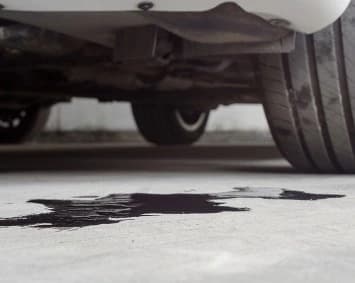
Engine oil lubricates internal components, helps manage heat, and reduces friction between moving parts. Leaks from seals, gaskets, covers, or other components can lower the oil level and leave visible residue beneath the vehicle. Excessive oil consumption may also indicate a concern that requires further investigation.
An engine oil leak inspection helps identify the source rather than relying on the location of a stain alone. Oil may travel across engine surfaces before becoming visible, making careful examination important. Low oil pressure or an oil pressure warning requires immediate attention because continued operation can cause serious engine damage.
Loss of Engine Power
Reduced acceleration, hesitation, or an inability to reach normal performance may indicate an engine-management fault, restricted air or fuel delivery, ignition problems, exhaust restrictions, or internal mechanical wear. The symptoms may appear under load, at higher engine speeds, or during normal driving. Their pattern helps guide the diagnostic process.
A professional assessment evaluates relevant fault codes, sensor readings, ignition operation, fuel delivery, and other systems as appropriate. This helps distinguish a minor electrical fault from a more serious mechanical issue. Restoring performance depends on addressing the confirmed cause rather than simply clearing warning codes.
Unusual Engine Noises
Knocking, ticking, rattling, or grinding noises can indicate different problems depending on when they occur and how they change with engine speed. Some noises may originate from auxiliary components, while others may indicate lubrication concerns or internal mechanical wear. A sudden or loud knocking sound should be treated seriously.
The assessment may include checking oil condition, lubrication warnings, external accessories, and the affected engine components. If the noise is accompanied by an oil pressure warning, overheating, or significant loss of power, stop the engine when safe and arrange recovery. Continuing to run a damaged engine can make the repair more extensive.
Lamborghini Gallardo V10 Engine Diagnostics
The Gallardo's V10 engine uses multiple systems that must work together to deliver smooth combustion, reliable lubrication, and effective temperature control. A fault in one component can affect engine operation and sometimes trigger symptoms elsewhere. Model-specific diagnostics help establish the cause before repair work begins.
Electronic Engine Fault-Code Scanning
Compatible diagnostic equipment can retrieve stored fault codes and available live data from supported engine-management systems. These results may help identify misfires, sensor irregularities, fuel-management concerns, or other monitored faults. However, a fault code does not always mean that the component named in the code has failed.
The diagnostic process should combine electronic results with physical inspection and relevant tests. This helps determine whether the issue is caused by a faulty component, wiring, a connection, or another system that affects the same reading.
Ignition System Inspection
The ignition system must deliver a correctly timed spark for reliable combustion. Depending on the fault, inspection may cover spark plugs, ignition coils, connectors, wiring, and misfire-related diagnostic information. Worn or faulty ignition components can contribute to rough running, hesitation, and reduced engine performance.
Replacing components based on symptoms alone can overlook the underlying cause. Testing helps identify the affected parts and determine whether the repair requires component replacement or additional investigation.
Fuel Delivery and Air Intake Assessment
The engine requires an appropriate balance of air and fuel to operate correctly. Fuel delivery problems, intake leaks, sensor faults, or restrictions can affect starting, idle quality, acceleration, and combustion. Similar symptoms may also result from ignition or mechanical problems, making a structured assessment important.
The inspection may include relevant fuel-system components, intake connections, sensor readings, and other checks guided by the diagnostic findings. The repair plan should address the confirmed problem and verify that engine operation has returned to the expected condition.
Lamborghini Gallardo Engine Overheating and Cooling System Repair
The cooling system removes excess heat generated during engine operation and helps maintain a suitable operating temperature. A fault in any important part of this system can lead to overheating, coolant loss, or inconsistent temperature control. Prompt attention to cooling problems is important for protecting the Gallardo's V10 engine from avoidable damage.
Radiator and Coolant Leak Inspection
Coolant leaks may occur at hoses, connections, seals, radiators, or other cooling-system components. A falling coolant level, visible residue, or repeated overheating warning should be investigated rather than treated as a routine condition. Leaks may become more apparent when the system is operating under pressure.
An inspection identifies the likely source and determines whether repair or replacement is required. After corrective work, the system should be checked using the appropriate procedure to confirm that coolant circulation and temperature control are functioning correctly.
Water Pump and Thermostat Problems
The water pump circulates coolant through the engine and cooling system, while the thermostat helps regulate coolant flow according to operating temperature. A problem with either component can affect temperature control and may contribute to overheating or abnormal warm-up behaviour.
Diagnosis should consider the observed symptoms, temperature readings, coolant condition, and other cooling-system checks. Replacing a pump or thermostat without confirming the fault may leave the underlying problem unresolved, so the repair should follow the inspection findings.
Cooling Fan and Temperature Control Checks
Cooling fans help move air through the radiator when additional airflow is required. A fan motor, electrical connection, control circuit, or related component may affect cooling performance if it fails. The symptoms can become more noticeable in slow traffic, where natural airflow is limited.
The inspection may include checking fan operation, relevant fuses and connections, control signals, and temperature-related data. The objective is to identify why the cooling system is not maintaining the required temperature and verify the result after repair.
Lamborghini Gallardo Engine Oil Leak and Lubrication Repair
Engine lubrication is essential for protecting internal components against friction and excessive wear. Oil also contributes to heat management and helps maintain the proper operating conditions inside the engine. Oil leaks, incorrect oil levels, or lubrication-system faults require attention because inadequate lubrication can cause severe damage.
Identifying the Source of Engine Oil Leaks
Oil can escape from seals, gaskets, covers, connections, or other engine components as they age or become damaged. The visible location of a leak may not be the actual source because oil can spread across nearby surfaces. Accurate inspection helps establish where the oil is escaping and how extensive the problem may be.
Once the source has been identified, the appropriate repair can be planned. Depending on the findings, this may involve replacing a seal or gasket, correcting a connection, or carrying out additional checks to identify related damage.
Engine Oil Level and Oil Pressure Concerns
An engine oil level that falls below the required range can compromise lubrication, while low oil pressure may indicate a more serious problem. Potential causes include oil loss, an oil supply issue, a sensor fault, or internal wear. The warning and accompanying symptoms must be interpreted carefully.
If the oil pressure warning appears while the engine is running, stop safely and switch off the engine as soon as it is safe to do so. Do not continue driving in the hope that the warning will disappear. Professional diagnosis is needed before the engine is restarted when a genuine oil pressure problem is suspected.
Selecting the Correct Engine Oil
The engine oil must meet the specifications applicable to the vehicle's engine and operating requirements. Selecting oil solely by viscosity or choosing a product intended for a different engine can be inappropriate if it does not meet the required specification. Correct oil selection should be based on the applicable service information.
During an oil-related repair, the inspection should also consider whether contamination, an incorrect level, or an underlying leak contributed to the concern. Following the correct service procedure supports lubrication performance and helps protect the engine over time.
Lamborghini Gallardo Engine Repair Process
A structured repair process helps ensure that the engine is assessed systematically and that the recommended work reflects the actual condition of the vehicle. Because misfires, overheating, oil leaks, and power loss can have several possible causes, diagnosis should take place before major components are replaced. The process also includes checking the outcome of the repair.
Initial Engine Condition Assessment
The assessment begins with the driver's reported symptoms, the circumstances in which they occur, and any warning lights or recent changes in performance. Where available, service history and previous repair information can help identify recurring problems. The engine and accessible surrounding components are then checked for visible leaks, damage, unusual noises, or other signs of concern.
These findings help determine which diagnostic tests are appropriate. If there are indications of serious overheating, lubrication failure, or internal mechanical damage, further operation may be unsafe until the problem is investigated.
Diagnostic Testing and Fault Identification
Electronic scanning, live-data checks, and physical inspections are selected according to the symptoms. Additional tests may be needed to evaluate ignition, fuel delivery, cooling, lubrication, compression, or other engine systems. Not every repair requires every test, so the diagnostic plan should be tailored to the reported problem.
The results are reviewed together to establish the most likely cause and identify any related faults. This approach helps avoid unnecessary component replacement and supports a more targeted repair plan.
Engine Component Repair or Replacement
The repair may involve addressing ignition faults, correcting oil or coolant leaks, replacing a failed cooling component, repairing electrical connections, or carrying out more extensive mechanical work where required. The scope depends on the confirmed diagnosis, engine condition, and relevant model-specific service procedures.
Where internal engine damage is suspected, additional assessment may be necessary before deciding whether component-level repair or a major overhaul is appropriate. Any replacement parts must be compatible with the vehicle's engine specification and installed using the correct procedures.
Post-Repair Engine Testing
After repairs are completed, the affected systems should be checked to verify that the original symptoms have been addressed. Depending on the work, this may include checking for leaks, monitoring engine temperature, reviewing diagnostic codes, confirming stable operation, and assessing engine performance when safe.
If the original fault involved overheating, lubrication, or serious mechanical noise, the verification process should account for the specific risks associated with that problem. The engine should only return to normal use after the relevant checks indicate that it is safe to operate.
Lamborghini Gallardo Engine Repair for Dubai Driving Conditions
Driving conditions can influence the demands placed on the engine and its supporting systems. High ambient temperatures, traffic congestion, repeated short journeys, and prolonged operation can make it particularly important to monitor cooling performance and fluid condition. The correct maintenance approach depends on vehicle use, service history, and the condition of individual components.
Engine Performance in Heavy Traffic
Slow-moving traffic can reduce natural airflow through the radiator compared with driving at higher speeds. If the cooling fan, radiator, coolant circulation, or another part of the system is not functioning correctly, temperature problems may become more noticeable in these conditions. An engine that repeatedly runs hotter than expected should be inspected.
Regular checks for coolant loss, abnormal temperature readings, and warning messages help identify developing concerns. If overheating occurs, stopping safely and addressing the cause is more important than attempting to complete the journey.
Protecting Engine Components in Hot Weather
High ambient temperatures can increase the demands placed on cooling and lubrication systems, especially when the vehicle already has a mechanical fault. Maintaining appropriate fluid levels and responding promptly to warning lights are important parts of engine care. However, overheating or oil pressure problems should never be attributed to the weather without proper diagnosis.
Inspections can help identify deteriorated hoses, leaks, cooling-system faults, and other issues that may affect reliable operation. Correcting problems early can reduce the risk of more serious engine damage.
Maintaining Reliable Performance
Routine maintenance and timely repairs help keep ignition, fuel delivery, cooling, and lubrication systems working as intended. Unusual noises, rough idling, smoke, fluid loss, and repeated warning lights should be investigated rather than ignored. Keeping service records can also help identify recurring symptoms and support future diagnostic work.
For a high-performance vehicle, maintenance should follow the requirements applicable to the specific model and engine configuration. An inspection based on actual condition helps determine which work is necessary instead of relying on a generic checklist alone.
Why Choose CarWorkshop.ae for Lamborghini Gallardo Engine Repair Dubai?
Engine repair requires careful diagnosis because a single symptom can have several possible causes. An engine warning light may relate to ignition, fuel delivery, sensors, or another monitored system, while overheating and oil pressure concerns can involve components that need immediate attention. A methodical assessment helps distinguish routine repairs from faults that may require more extensive mechanical work.
CarWorkshop.ae helps Lamborghini owners explore suitable servicing support for engine diagnostics, component repairs, and related maintenance concerns. The focus is on identifying the underlying fault, determining an appropriate repair approach, and checking the affected systems after the work. This helps owners make informed decisions about maintaining their Gallardo's performance and reliability.
For broader maintenance and repair information, explore our Lamborghini Service in Dubai resource.
Owners researching specialist servicing options can also find relevant information through our Lamborghini Garage in Dubai.
For information specifically related to maintaining and repairing this model, explore Lamborghini Gallardo Service in Dubai.
Frequently Asked Questions About Lamborghini Gallardo Engine Repair Dubai
Q: What are the common signs that my Lamborghini Gallardo needs engine repair?
A: Common warning signs include rough idling, engine misfires, reduced power, unusual knocking or rattling, excessive smoke, oil or coolant leaks, overheating, and illuminated engine warning lights. These symptoms can have different causes, so an inspection and suitable diagnostic tests are needed to determine the correct repair.
Q: Why is my Lamborghini Gallardo engine overheating in Dubai?
A: Overheating may be caused by coolant leaks, radiator restrictions, water pump problems, thermostat faults, cooling fan issues, or other cooling-system concerns. High ambient temperatures can add to the demands on the system, but they do not identify the actual fault. If the temperature warning appears, stop safely and arrange an inspection rather than continuing to drive.
Q: Can a Lamborghini Gallardo engine misfire be repaired?
A: Yes, many misfires can be addressed once the cause has been identified. Possible causes include faulty ignition components, fuel delivery problems, sensor issues, wiring faults, or mechanical concerns. Diagnostic testing helps establish which system is affected and whether a component repair or more detailed investigation is necessary.
Q: What should I do if my Lamborghini Gallardo has an engine oil pressure warning?
A: Stop in a safe location and switch off the engine as soon as it is safe to do so. Continuing to run an engine with genuinely low oil pressure can cause serious internal damage. Arrange professional assistance and have the cause investigated before restarting the engine when a lubrication problem is suspected.
Q: Does every Lamborghini Gallardo engine problem require a complete engine rebuild?
A: No. Some faults can be resolved through targeted repairs involving ignition components, sensors, wiring, cooling systems, or oil leaks. A rebuild may be considered if testing identifies significant internal wear or damage, but this decision should be based on the engine's condition and the results of appropriate inspections.
Q: How often should I service my Lamborghini Gallardo engine?
A: The appropriate service interval depends on the vehicle's model year, engine specification, maintenance history, and usage. Follow the applicable manufacturer service requirements and have the engine inspected if you notice any abnormal symptoms between scheduled services. Regular maintenance can help identify developing concerns before they become more serious.
Q: Can Dubai's hot weather affect Lamborghini Gallardo engine performance?
A: High ambient temperatures can increase the demands on the cooling system, particularly when the vehicle is driven in congested traffic or has an existing cooling fault. Oil condition, coolant circulation, fan operation, and overall engine health remain important. Warning lights or abnormal temperature readings should be investigated rather than assumed to be normal in hot weather.
Q: How long does Lamborghini Gallardo engine repair take?
A: The time required depends on the fault, diagnostic findings, parts availability, and the extent of the repair. A sensor or ignition-related repair may require a different process from cooling-system work or internal engine repairs. A more reliable timeframe can be provided once the vehicle has been assessed and the necessary work has been confirmed.
Arrange Your Lamborghini Gallardo Engine Inspection in Dubai
Engine warning lights, overheating, oil leaks, misfires, and unusual noises can indicate problems that need prompt attention. Identifying the cause early can help protect the V10 engine and reduce the risk of further damage. CarWorkshop.ae helps you explore suitable diagnostic and engine repair support based on your vehicle's condition and requirements.