Get your Lamborghini Countach Transmission Repair in Dubai with CarWorkshop.ae
The Lamborghini Countach is a legendary supercar engineered for an engaging driving experience, with a transmission system that plays a crucial role in delivering power from its V12 engine to the wheels. When transmission components develop wear or mechanical faults, the vehicle may experience difficult gear changes, unusual noises, clutch-related symptoms, or inconsistent power delivery. These issues require accurate diagnosis to determine the appropriate repair.
Lamborghini Countach Transmission Repair Dubai involves assessing the transmission, clutch operation, gear engagement, lubrication, and associated mechanical components according to the vehicle's specific configuration. The correct repair depends on the model year, transmission type, maintenance history, and condition of the affected parts. Identifying the source of a problem before replacing components helps avoid unnecessary work and supports long-term mechanical reliability.
CarWorkshop.ae connects Lamborghini owners with automotive servicing solutions suited to their vehicle's needs. Whether your Countach has developed gear selection difficulties, a transmission oil leak, grinding noises, or changes in clutch performance, a thorough assessment can help establish the next steps towards restoring reliable operation.
Why Lamborghini Countach Transmission Maintenance Is Important
The transmission is responsible for transferring engine power through the drivetrain while allowing the driver to select the appropriate gear for different driving conditions. Its mechanical components must operate together correctly to support smooth acceleration, controlled deceleration, and consistent performance. Even a relatively small fault can affect the driving experience if it is left unresolved.
Supporting Smooth Gear Changes
Smooth gear changes depend on the correct operation of the gearbox, clutch system, selector mechanism, and associated components. Wear, incorrect adjustment, or internal damage can make gear selection difficult or cause the transmission to behave differently from normal. These symptoms should be investigated before they place additional stress on connected drivetrain components.
For a Lamborghini Countach, diagnosis should account for its specific transmission design rather than rely on procedures intended for modern automatic gearboxes. Identifying whether the problem originates in the clutch, linkage, lubrication system, or internal gearbox components helps establish a more appropriate repair plan.
Protecting Internal Transmission Components
Transmission components rely on suitable lubrication and correct mechanical operation to manage friction and wear. Inadequate lubrication, contaminated fluid, incorrect fluid specification, or internal mechanical damage can affect bearings, gears, synchronisers, and other components, depending on the transmission design.
Regular inspection and maintenance according to the applicable vehicle specifications can help identify potential concerns. If a leak or unusual mechanical noise develops, it is important to investigate the cause rather than simply topping up fluid or continuing to drive without further assessment.
Maintaining Reliable Power Delivery
The transmission and clutch system work together to transfer engine torque to the drivetrain. Problems with clutch engagement, worn transmission components, or drivetrain connections may cause hesitation, vibration, or inconsistent power delivery. These symptoms can affect vehicle control and may become more pronounced under certain driving conditions.
A detailed assessment helps distinguish transmission-related faults from engine performance issues, clutch problems, or other drivetrain concerns. This is particularly important for a performance vehicle such as the Countach, where the correct functioning of interconnected mechanical systems contributes to predictable driving behaviour.
Common Lamborghini Countach Transmission Problems
Transmission problems can develop gradually through normal wear, age-related deterioration, previous incorrect repairs, or inadequate maintenance. Recognising the warning signs early can help owners arrange an inspection before the issue develops into a more extensive mechanical concern.
Difficulty Shifting Gears
Difficulty engaging a gear or moving between gears may indicate a problem with the clutch, gear selector mechanism, linkage adjustment, synchronisers, or internal gearbox components. The cause depends on when the problem occurs and whether it affects one gear or several.
If gear selection becomes stiff, inconsistent, or unusually difficult, avoid forcing the gear lever into position. A suitable inspection can help establish whether the issue involves external adjustment, clutch operation, lubrication, or internal transmission wear. Continuing to force difficult gear changes may contribute to additional damage.
Grinding or Unusual Transmission Noises
Grinding during gear changes may indicate synchroniser wear, clutch disengagement problems, or another mechanical fault. Whining, rattling, or humming noises may have different causes, including bearing wear, lubrication concerns, or components within the drivetrain.
The timing and conditions of the noise can help guide the diagnosis. For example, a sound that changes with vehicle speed may require a different investigation from one that occurs only while selecting a particular gear. Accurate identification is important because replacing a component without confirming the source may leave the original problem unresolved.
Transmission Oil Leaks
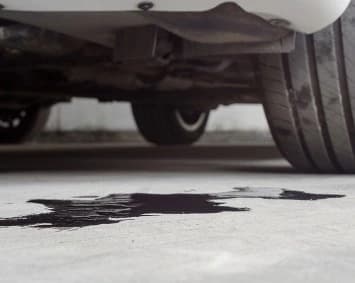
Transmission oil leaks may develop around seals, gaskets, casing joints, or other connections, depending on the gearbox design. A leak can reduce the available lubricant and potentially increase friction or wear within the transmission. Oil beneath the vehicle should therefore be investigated rather than assumed to be harmless.
An inspection should identify the source of the leak and assess the surrounding components for deterioration or damage. The correct lubricant and checking procedure must be determined according to the Countach's specific transmission configuration. If a substantial leak is present or transmission operation changes noticeably, avoid further driving until the vehicle has been assessed.
Clutch Slipping or Incomplete Disengagement
Clutch problems can resemble transmission faults because the clutch is responsible for connecting and disconnecting engine power during gear changes. A slipping clutch may allow engine speed to rise without a corresponding increase in vehicle speed, while incomplete disengagement can make gear selection difficult.
Possible causes include friction material wear, adjustment problems, or faults in the clutch operating mechanism. A careful assessment should determine whether the issue originates in the clutch assembly or the gearbox itself. Correct diagnosis helps ensure that the recommended repair addresses the actual source of the symptoms.
Gear Slipping or Unexpected Disengagement
If a gear does not remain engaged or the transmission unexpectedly moves out of gear, the issue may involve worn internal components, selector mechanisms, linkage problems, or other mechanical faults. Such behaviour can interfere with vehicle control and should not be ignored.
A technician should inspect the relevant transmission components and determine whether adjustment, repair, or more extensive internal work is necessary. If the vehicle repeatedly disengages from gear or becomes difficult to control, stop driving and arrange professional assistance.
Our Lamborghini Countach Transmission Repair Process
Effective transmission repair begins with a clear understanding of the symptoms and the mechanical systems involved. A structured process helps establish the fault, identify the required work, and verify the result after repairs have been completed.
Initial Transmission Inspection
The first step is to review the reported symptoms, including difficult gear changes, unusual noises, oil leaks, clutch concerns, and changes in power delivery. Information about when the problem occurs can help narrow down the potential causes and guide the inspection.
The assessment may include checking accessible transmission components, seals, mounting points, selector linkages, and relevant fluid condition where applicable. Previous repairs, vehicle storage history, and available service records may also provide useful context for identifying age-related or recurring problems.
Diagnosing the Source of the Fault
Transmission symptoms can overlap with clutch, engine, and drivetrain problems. For this reason, diagnosis should distinguish between issues involving the gearbox itself and faults in connected systems. The specific checks depend on the transmission design and the symptoms observed.
Where appropriate, further inspection may be required to evaluate gear engagement, selector operation, clutch disengagement, lubrication, or internal components. Establishing the likely cause before beginning repair work helps prevent unnecessary replacement and provides a clearer basis for deciding the appropriate solution.
Repairing or Replacing Faulty Components
Once the cause has been identified, the repair plan can address the affected parts. Depending on the findings, the work may involve correcting an applicable adjustment, repairing a leak, addressing clutch-related problems, or repairing damaged internal gearbox components.
Replacement parts must be compatible with the vehicle's particular transmission and model specification. For a classic performance car such as the Countach, parts availability and previous modifications may influence the repair approach. Work should follow suitable technical procedures to support correct assembly and dependable operation.
Transmission Reassembly and Lubrication Checks
Where transmission disassembly is required, components should be inspected for wear, damage, and compatibility before reassembly. Relevant clearances, fasteners, seals, and other components should be addressed according to the applicable technical requirements.
The correct lubricant and filling procedure are equally important. Transmission designs vary, so generic fluid recommendations or checking methods should not be applied without confirming their suitability for the specific vehicle. Proper lubrication helps support the intended operation of the transmission and its internal components.
Final Operational Checks
After the repair, the affected components should be checked to confirm correct installation and operation. Depending on the work performed, this may include assessing gear selection, clutch engagement, leaks, unusual noises, and other symptoms reported before the repair.
Any road test should take place only when the vehicle is considered safe to operate and under appropriate conditions. If the original symptoms remain, further diagnosis may be necessary. Final verification helps confirm whether the repair has addressed the identified problem and whether additional attention is required.
Specialist Considerations for Lamborghini Countach Transmission Repair
The Countach is a distinctive classic supercar, and its transmission requires an approach suited to its specific engineering. Model year, gearbox specification, component condition, and maintenance history can all influence the appropriate repair method.
Model-Specific Gearbox Knowledge
Different Countach versions and individual vehicles may have differences in component specification or previous modifications. Before beginning repairs, it is important to establish the exact configuration and identify the correct technical information for the vehicle.
A repair procedure that is appropriate for one transmission may not be suitable for another. Confirming the specification helps guide parts selection, inspection methods, and assembly requirements, particularly when dealing with an older vehicle that may have undergone previous restoration work.
Correct Replacement Parts and Fitment
Transmission components must match the vehicle's requirements to ensure proper fitment and mechanical operation. Unsuitable gears, bearings, seals, clutch components, or other parts may introduce new problems or fail to resolve the original fault.
For classic vehicles, locating appropriate replacement parts can require additional verification. The repair plan should consider component compatibility, condition, and the requirements of the specific gearbox. Any alternative component should be assessed for suitability rather than selected solely because it appears to fit.
Protecting the Vehicle During Repair
Transmission work may require lifting the vehicle, supporting drivetrain components, and removing heavy mechanical assemblies. Suitable equipment and appropriate handling procedures are important to help protect the vehicle's bodywork, underbody, and connected systems.
Careful handling is particularly relevant for a classic supercar, where maintaining the condition of the vehicle is an important consideration. Appropriate procedures also help reduce the risk of damage during component removal, repair, and reinstallation.
When Should You Arrange Lamborghini Countach Transmission Repair in Dubai?
Changes in transmission behaviour should be investigated promptly, especially when they affect gear selection, power delivery, or the ability to control the vehicle. Early assessment can help identify the fault and reduce the risk of continued operation causing additional damage.
Gear Changes Become Stiff or Inconsistent
If the gear lever becomes difficult to operate or gear engagement feels different from normal, the cause may involve clutch operation, selector linkage, adjustment, or internal transmission components. The pattern of the symptoms can help guide the investigation.
Do not force the gear lever or repeatedly attempt difficult shifts. Arrange an inspection to establish the cause and determine whether an adjustment, component repair, or further internal assessment is required.
New Noises Develop During Driving
Grinding, whining, clunking, or other unusual noises may indicate a mechanical problem within the transmission or connected drivetrain. The source should be assessed, particularly if the noise becomes louder, occurs more frequently, or is accompanied by changes in gear selection.
A new grinding noise during shifting or a sudden increase in mechanical noise warrants prompt attention. If the vehicle experiences severe symptoms or becomes difficult to control, stop driving and arrange suitable assistance rather than risking further damage.
Fluid Leaks Appear Beneath the Vehicle
A fresh oil patch beneath the vehicle may indicate a leak from the transmission or another system. The fluid's appearance alone may not reliably establish its source, so the affected area should be inspected before a repair is selected.
If a transmission leak is suspected, avoid assuming that the problem can be resolved simply by adding fluid. The leak's location, severity, and effect on transmission operation should be assessed to determine the appropriate next steps.
Clutch Performance or Acceleration Changes
A clutch that slips, fails to disengage properly, or behaves inconsistently can affect gear changes and acceleration. Similar symptoms may also involve engine performance or other drivetrain components, making a combined assessment useful where necessary.
If engine speed rises without the expected vehicle acceleration, or gear changes become difficult because the clutch is not disengaging correctly, arrange an inspection. Early diagnosis can help establish whether the clutch, gearbox, or another connected component requires attention.
Lamborghini Transmission Repair and Related Services in Dubai
Transmission performance is closely connected with clutch operation, engine output, and the wider drivetrain. When symptoms overlap, considering the condition of related systems can help establish a more complete picture of the vehicle's mechanical needs.
Owners researching broader maintenance options can explore Lamborghini Service in Dubai for information relevant to servicing Lamborghini vehicles and addressing their maintenance requirements.
For those comparing available automotive support for their vehicle, Lamborghini Garage in Dubai provides a relevant resource for exploring Lamborghini-related service options.
Countach owners seeking model-specific service information can also review Lamborghini Countach Service in Dubai when considering the maintenance needs of this distinctive performance car.
Frequently Asked Questions About Lamborghini Countach Transmission Repair Dubai
Q: What are the common signs that my Lamborghini Countach needs transmission repair?
A: Common signs include stiff gear selection, grinding noises during shifting, transmission oil leaks, unexpected gear disengagement, and changes in clutch performance. Whining or unusual mechanical noises may also indicate a fault. Because similar symptoms can originate from connected drivetrain components, an inspection is needed to identify the actual cause.
Q: Why is specialist diagnosis important for Lamborghini Countach transmission repair in Dubai?
A: The Countach is a classic performance vehicle with model-specific transmission requirements. Diagnosis should account for the exact gearbox configuration, clutch operation, service history, and condition of the components. A suitable inspection helps distinguish transmission faults from clutch or drivetrain problems and supports more accurate repair decisions.
Q: Can I drive my Lamborghini Countach if the transmission is making unusual noises?
A: It depends on the severity and nature of the noise, but new grinding, severe whining, sudden clunking, or noises accompanied by shifting problems should be assessed promptly. If gear engagement becomes unreliable or the vehicle is difficult to control, stop driving and arrange professional assistance to reduce the risk of further damage.
Q: What causes difficult gear shifting in a Lamborghini Countach?
A: Possible causes include clutch disengagement problems, worn synchronisers, selector linkage issues, incorrect adjustment, lubrication concerns, or internal gearbox wear. The exact cause depends on the transmission design and the conditions under which the problem occurs. A proper diagnosis should be completed before components are repaired or replaced.
Q: Does transmission oil need to be checked regularly?
A: Yes, where applicable, transmission lubrication should be inspected according to the procedure and maintenance guidance for the specific vehicle. The correct checking method and lubricant depend on the transmission design. Leaks, contamination, or an incorrect fluid level can contribute to wear, so any abnormal findings should be investigated.
Q: Can a clutch problem feel like a transmission problem?
A: Yes. A clutch that slips or fails to disengage fully can cause difficult gear changes, inconsistent acceleration, and unusual driving behaviour. These symptoms may resemble internal gearbox problems. Inspecting the clutch and transmission together where appropriate helps identify the actual source and avoid unnecessary repairs.
Q: Is a complete gearbox replacement always necessary?
A: No. The required repair depends on the condition of the transmission and the cause of the fault. Some problems may involve an external linkage, adjustment, seal, or other repairable component, while extensive internal damage may require rebuilding or replacement. The decision should be based on inspection findings and component availability.
Q: How can I help prevent transmission problems in my Lamborghini Countach?
A: Follow maintenance guidance appropriate to the specific model, address fluid leaks promptly, avoid forcing difficult gear changes, and arrange an inspection when noises or shifting behaviour change. Correct lubrication, suitable replacement parts, and documented maintenance can help support transmission reliability over time.
Q: Can long periods of storage affect the Countach transmission?
A: Extended storage can contribute to age-related deterioration of seals and other components, while existing faults may become apparent when the vehicle returns to use. The transmission, clutch operation, lubrication, and related drivetrain components should be assessed as appropriate before regular driving resumes, particularly if the service history is incomplete.
Restore Smooth Gear Selection in Your Lamborghini Countach
Transmission problems can affect gear changes, acceleration, drivetrain reliability, and the overall driving experience of your Lamborghini Countach. Identifying the underlying cause is essential for selecting suitable repairs and reducing the risk of additional mechanical damage. A model-specific assessment helps ensure that the work considers the vehicle's gearbox design, component condition, and service history.
CarWorkshop.ae helps Lamborghini owners in Dubai explore suitable automotive servicing solutions based on their vehicle's needs. Whether your Countach has difficult gear engagement, unusual transmission noises, a suspected fluid leak, or clutch-related symptoms, a careful diagnosis is the starting point for an informed repair plan. To discuss your Lamborghini Countach transmission repair requirements, visit CarWorkshop.ae and contact us