Skoda Fabia Common Problems: Common Faults, Causes & Repair Tips
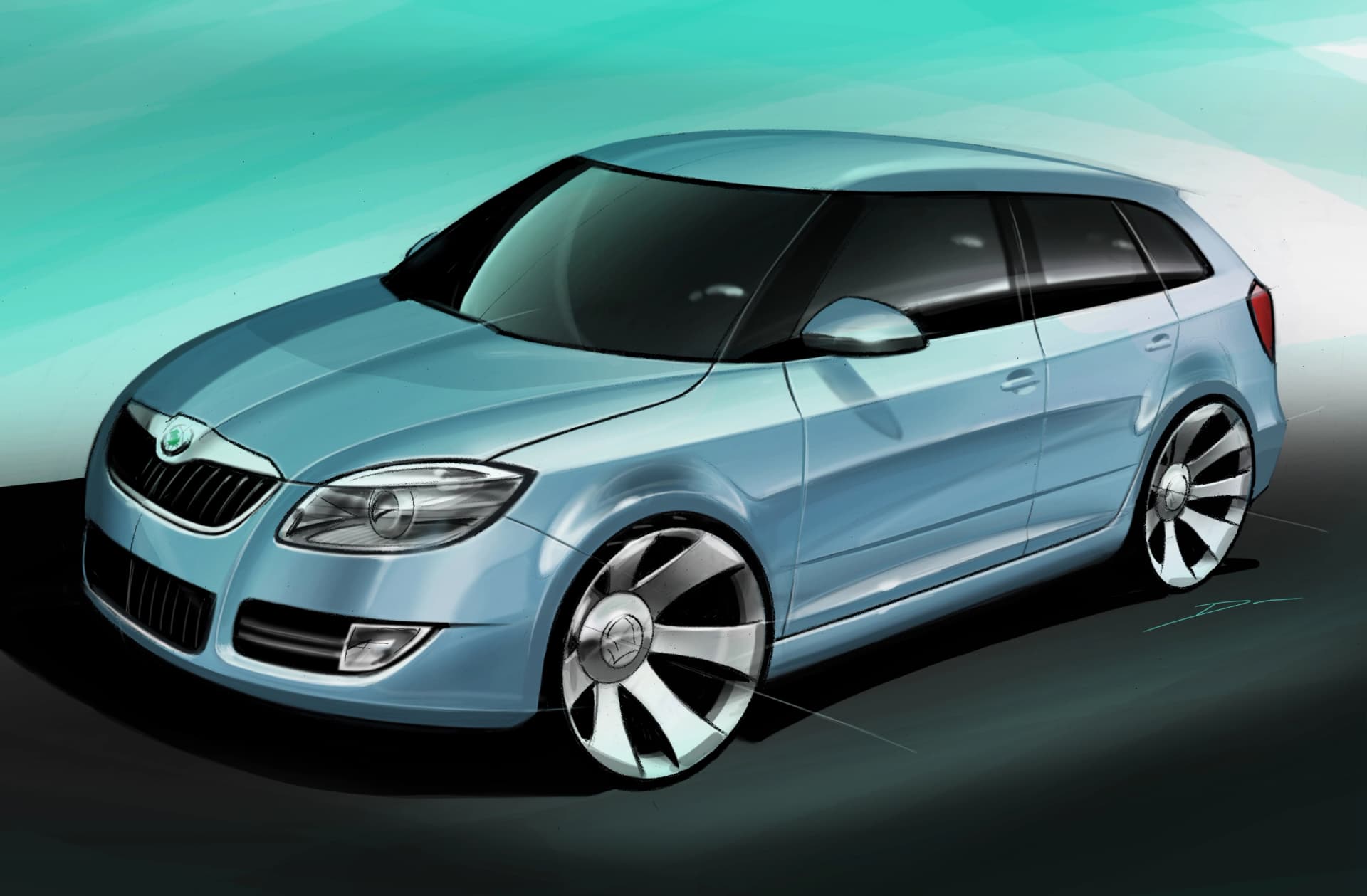
The Skoda Fabia has built a reputation as one of the more dependable and practical small cars on the market, offering a comfortable ride, efficient engines and a surprising amount of interior space for its size. Still, no car is entirely free of faults, and understanding the common problems that tend to affect the Fabia can help owners catch issues early, budget for repairs sensibly and keep the car running reliably for years. This guide walks through the most frequently reported Skoda Fabia problems, what causes them and what owners should watch for, with input from the kind of hands on diagnostic experience that CarWorkshop.ae technicians apply to these cars every day.
Why Knowing Common Skoda Fabia Problems Matters
Every model has its own pattern of weak points, and the Fabia is no exception. Recognising these patterns in advance means an owner is less likely to be caught off guard by a sudden breakdown, and more likely to notice the small early warning signs that often appear well before a fault becomes serious. This is particularly useful for anyone considering a used Fabia, since knowing what to check during an inspection can prevent an expensive surprise shortly after purchase. It also helps current owners separate a genuinely serious issue from a minor, easily resolved niggle.
Engine Related Issues in the Skoda Fabia
The Fabia has been offered with a range of petrol and diesel engines over the years, and while most are generally dependable, certain issues do show up more often than others. Smaller turbocharged petrol engines, particularly earlier generations of the popular three cylinder units, have been known to develop carbon buildup on intake valves over time, especially on cars used mostly for short trips that never let the engine properly reach and hold operating temperature. This buildup can cause rough idling, hesitation and a slight loss of power, and while it is not usually dangerous, it does need periodic attention to avoid worsening.
Timing chain tensioners on some engine variants have also been a known weak point, sometimes producing a rattling noise on cold start that fades once the engine warms up. Left unaddressed for too long, a worn tensioner can allow the timing chain to skip, which risks much more serious internal engine damage. Diesel variants, meanwhile, can suffer from clogged diesel particulate filters if the car is rarely driven on longer journeys that allow the filter to regenerate properly, leading to warning lights and reduced performance.
Electrical and Infotainment Faults
As with most modern small cars, the Fabia's electrical system occasionally throws up faults that can be frustrating even when they are not mechanically serious. Owners sometimes report issues with central locking modules failing to respond consistently, window regulators wearing out and causing a window to move slowly or unevenly, and occasional glitches with the infotainment screen freezing or restarting unexpectedly. Battery drain is another common complaint, often linked to a component failing to power down fully when the car is parked, which can leave the battery flat after a few days of inactivity.
Dashboard warning lights appearing intermittently, particularly those related to sensors rather than major components, are also frequently reported. While these can sometimes be a simple sensor fault or a loose connector, they should never be ignored entirely, since a warning light occasionally points to something more significant hiding behind a seemingly minor symptom.
Transmission and Clutch Concerns
Manual Fabia models are generally considered mechanically simple and reliable, though clutch wear can accelerate in cars used mostly in heavy stop and start traffic, since frequent slow speed engagement places more strain on the clutch than steady open road driving. Symptoms include a biting point that feels higher than it used to, a burning smell after sitting in traffic, or difficulty engaging gears smoothly.
Automatic and automated manual transmission variants have attracted more attention for reliability concerns, with some owners reporting hesitant or jerky gear changes, particularly at low speeds. This is often linked to clutch pack wear within the transmission itself or to software calibration issues, both of which benefit from proper diagnostic investigation rather than guesswork, since the symptoms can sometimes be resolved through a software update rather than a full mechanical repair.
Suspension and Steering Wear
Given that the Fabia is often used for daily commuting and frequent urban driving, suspension components such as bushings, anti roll bar links and shock absorbers tend to wear over time, particularly on cars that regularly encounter potholes, speed bumps or uneven road surfaces. Common symptoms include a knocking noise over bumps, a less composed ride than the car once had, or a subtle vagueness in the steering response. These are rarely dangerous in the early stages but do affect ride comfort and, if left too long, can accelerate tyre wear.
Power steering faults, while less common, have also been reported on some model years, typically presenting as a temporary loss of assistance or a warning light on the dashboard. This is sometimes linked to the electric power steering motor or its control unit rather than anything mechanical, making an accurate diagnosis particularly important before any parts are replaced.
Common Fuel System Issues
Fuel pump and fuel delivery issues, while not among the most frequently reported Fabia problems, do appear occasionally, particularly on higher mileage examples. Symptoms such as difficulty starting, hesitation under acceleration or a loss of power at speed can point toward a weakening fuel pump, though these same symptoms can also stem from a failing battery, a blocked filter or an electrical connection issue, which is why proper testing matters more than assuming the most obvious cause.
AC and Climate Control Problems
Air conditioning performance can decline gradually as refrigerant naturally depletes over several years of use, which is a normal part of ownership rather than a defect. However, more sudden or significant cooling loss, inconsistent airflow from different vents, or unusual noises when the AC is switched on typically point toward a specific fault such as a failing compressor, a blocked condenser or a refrigerant leak, each of which calls for a different repair approach.
Interior and Build Quality Niggles
While the Fabia is generally well screwed together, some owners report minor interior rattles developing over time, trim pieces that loosen slightly on rougher roads, or interior buttons and switches that become less responsive with age. These issues rarely affect how the car drives but can be a source of ongoing annoyance if not addressed, and many are straightforward to resolve once identified.
How to Spot Early Warning Signs
Many of the issues outlined above share a common thread: they tend to begin subtly before becoming more noticeable. A slightly rougher idle, an occasional hesitation, a faint knocking noise that only appears sometimes, or a dashboard light that flickers briefly are all worth paying attention to rather than dismissing. Catching these early signs typically means a smaller, more straightforward repair rather than waiting until the issue has progressed into something more serious and more expensive to put right.
Keeping a Fabia Reliable Long Term
Consistent maintenance remains the single most effective way to avoid most of the problems described above turning into major repairs. Regular oil changes, timely attention to unusual noises, periodic checks of suspension components and keeping the battery and electrical system in good health all contribute meaningfully to long term reliability. Many owners find that staying with the same trusted Skoda service provider over time helps build a clearer picture of how their specific car is ageing, which makes it easier to catch a developing issue before it becomes disruptive.
When to Seek Specialist Help
While some of the smaller niggles mentioned here can be monitored for a while, certain symptoms genuinely warrant prompt attention, including a flashing warning light, a burning smell, a sudden loss of power or any unusual noise that appears suddenly rather than developing gradually. In these situations, working with a proper Skoda garage that understands this model's specific weak points can make the difference between a quick, contained repair and a more extensive one caused by continued driving with an unresolved fault.
Frequently Actions After Reading
Q: Is the Skoda Fabia generally a reliable car?
A: Yes, the Fabia has a solid reputation for reliability overall, particularly in manual petrol form, though like any car it has certain known weak points that are worth understanding before or after purchase.
Q: What is the most common problem reported by Skoda Fabia owners?
A: Electrical niggles, such as inconsistent central locking or minor warning light faults, tend to be among the most frequently reported issues, alongside carbon buildup on smaller turbocharged petrol engines.
Q: Should I worry about a rattling noise on cold start?
A: A rattling noise on startup that fades as the engine warms up can sometimes point toward a worn timing chain tensioner, and it is worth having checked promptly rather than assuming it will resolve on its own.
Q: Why does my Fabia's automatic gearbox feel jerky at low speed?
A: This is often linked to clutch pack wear within the transmission or a software calibration issue, both of which require proper diagnostic testing to confirm rather than guessing at the cause.
Q: How can I avoid most of these common problems?
A: Staying consistent with maintenance, paying attention to early warning signs and having any unusual noise or symptom checked promptly are the most effective ways to avoid a minor issue developing into a major repair.
Get Your Fabia Checked Before a Small Issue Grows
If your Skoda Fabia has started showing any of the signs mentioned above, it is always better to have it looked at sooner rather than later. A small, early repair is almost always simpler and less disruptive than waiting until a developing fault turns into something far more serious. Reach out to a trusted Skoda Fabia specialist who understands exactly what to look for on this model, and get a clear, honest assessment of what your car genuinely needs. Staying ahead of these common issues means more time enjoying a dependable drive and far less time worrying about what might go wrong next.