Gear Oil Leak: Causes, Warning Signs & Repair Solutions
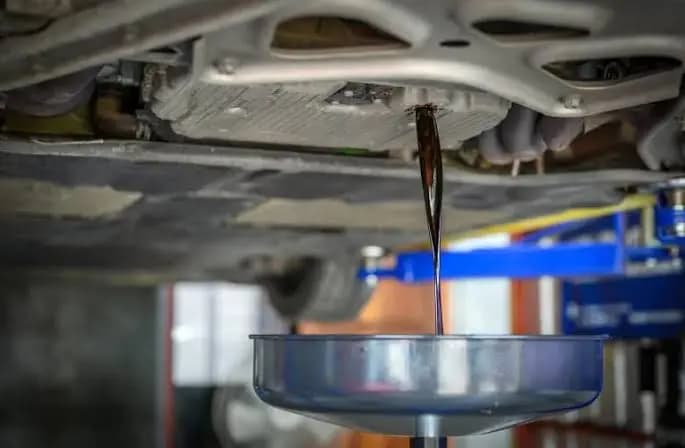
A greasy stain under your car, a strange whine when you change gears or a gearbox that suddenly feels rough can all point to one problem: a gear oil leak. The gearbox is one of the most expensive and complex parts of any vehicle, and it relies on a steady supply of clean oil to work properly. At CarWorkshop.ae, we help car owners understand what their vehicle is telling them and connect them with qualified professionals when a problem needs expert attention. This guide explains what causes a gearbox oil leak, how to recognise a transmission oil leak, which safe checks you can do yourself and when it is time to stop driving and get help.
What Is Gear Oil and Why Does It Matter?
Gear oil is a specialised lubricant that protects the gears, bearings and shafts inside your gearbox, differential and transfer case. It reduces friction, carries away heat, prevents metal parts from grinding against each other and keeps internal surfaces clean. In automatic vehicles, a similar fluid called transmission fluid does these jobs and also helps with gear changes and hydraulic pressure.
The terms gear oil leak, gearbox oil leak and transmission oil leak are often used interchangeably, although the exact fluid and component can differ. Manual gearboxes, differentials and rear axles typically use thick gear oil, while automatic transmissions use transmission fluid. Whatever the name, the message is the same. When this oil escapes, the parts it protects begin to suffer, and repair costs can rise quickly if the leak is ignored.
How to Tell If You Have a Gearbox Oil Leak
Many drivers confuse gear oil with engine oil or other fluids, so identification matters. Place a clean sheet of white paper or cardboard under the car overnight and check the stain in the morning.
Gear oil is usually thick, amber to dark brown and has a strong, sharp smell, often compared to sulphur or rotten eggs. Automatic transmission fluid is commonly bright red or pink when fresh and turns dark brown when old, with a slightly sweet or burnt smell. Engine oil is lighter and smells different, while coolant is bright and sweet and brake fluid is clear to yellowish with a distinct odour.
If the fluid is thick, strong smelling and located toward the middle or rear of the car, a gear oil leak is a likely cause.
Where Gear Oil Leaks Usually Appear
The position of the stain gives useful clues about the source, although oil can travel along the underside while driving.
A leak under the middle of the car often comes from the gearbox housing, the transmission pan or the output shaft seal. A leak near the front of the gearbox may point to the input shaft seal or the bell housing joint. Oil toward the rear axle suggests a differential problem, such as a worn pinion seal or a leaking cover gasket. Drips near the wheels can come from axle seals or driveshaft joints.
Because oil spreads, a technician will usually clean the area and trace the fresh oil back to its true origin before recommending any repair.
Common Causes of a Transmission Oil Leak
A transmission oil leak rarely appears without a reason. Most cases come down to wear, damage or poor maintenance. Understanding the typical causes helps you act early and avoid a bigger repair.
Seals and gaskets are made of rubber and similar materials that harden, shrink and crack with heat and age. Road debris can damage the housing or pan. Overfilled fluid creates pressure that forces oil past seals. Old, degraded fluid loses its protective qualities and speeds up wear. Each of these can start as a tiny seep and grow into a steady drip.
Worn Input and Output Shaft Seals
Shaft seals stop oil from escaping where rotating shafts enter or leave the gearbox. They work in a hard environment, spinning at high speed while holding back oil under heat and pressure. Over time the rubber lip wears down, and oil begins to seep out.
An input shaft seal leak can allow oil into the area near the clutch or torque converter, which may cause slipping or poor performance. An output shaft seal leak often shows as oil dripping from the rear of the gearbox. Replacing a worn seal early is usually far simpler than repairing the damage caused by a long running leak.
Damaged Transmission Pan Gasket or Pan
The transmission pan sits at the bottom of the gearbox and collects fluid. A gasket seals the pan to the housing, and it can shrink or crack over time. Bolts may also loosen from vibration, and the pan itself can be dented or punctured by road debris.
A leak from this area usually leaves drips beneath the centre of the car and may range from a slow seep to a heavy flow. Because the pan hangs low, it is exposed, so any visible damage should be inspected promptly. A steadily dropping fluid level can lead to overheating and internal wear within a short time.
Cracked Gearbox Housing or Loose Bolts
The gearbox casing is strong but not indestructible. A hard impact, corrosion or a manufacturing flaw can cause cracks or leaks at the joints between housing sections. Bolts that have loosened over time can also allow fluid to escape through the mating surfaces.
A cracked housing is a more serious problem and may require specialist repair or replacement of the affected part. If you suspect an impact has damaged the casing, avoid driving the car until a technician has inspected it.
Faulty Axle Seals and Differential Leaks
The differential allows your wheels to turn at different speeds in corners and relies on its own supply of gear oil. Pinion seals, axle seals and cover gaskets can all wear out and leak. A leaking differential often produces a whining or howling noise that changes with speed, and in severe cases the gears can wear or overheat.
Oil leaking onto brake components can also reduce braking performance, which is a safety concern. Any oil near the wheels or brakes should be checked without delay.
Leaking Transmission Cooler Lines and Fittings
Automatic transmissions often use cooler lines to carry hot fluid to a radiator or separate cooler. Rubber hoses can crack, metal lines can corrode and fittings can loosen. A leak here can drain fluid quickly because the system runs under pressure.
If you notice red fluid at the front of the car or a sudden loss of gear shifting performance, a cooler line leak is possible. Because transmission fluid also helps cool the gearbox, losing it fast can cause rapid overheating.
Warning Signs of a Gear Oil Leak
A leak rarely announces itself loudly at first, but several signs can warn you before serious damage occurs.
Watch for oily spots under the car, a strong burning or sulphur smell, whining, grinding or humming noises, difficulty changing gears, gears slipping or delayed engagement, a gearbox that feels rough or jerky, a transmission warning light on the dashboard and fluid that looks dark, burnt or gritty on the dipstick where one is fitted. Any of these signs deserves attention, and several together suggest the problem is already advancing.
Is It Safe to Drive With a Gear Oil Leak?
It depends on how serious the leak is. A tiny seep that leaves an occasional mark may allow careful short journeys while you arrange an inspection, provided the fluid level is monitored. A steady drip, a strong burning smell or any change in how the gears feel is a clear signal to stop driving.
Without enough oil, gears and bearings overheat, wear and eventually fail. Driving in this condition can turn a modest seal replacement into a full gearbox overhaul. Oil on brakes, tyres or hot exhaust parts also creates a safety risk. If you are unsure, the safest choice is to avoid driving and have the car inspected.
Safe Checks You Can Do at Home
A few simple checks can help you describe the problem accurately. Park the car on level ground with the engine off and cooled, then look underneath for fresh stains or wet patches. Take a photo of any leak and note the colour, smell and position.
If your car has a transmission dipstick, check the fluid level and condition following your owner's manual, since some vehicles require the engine to be running for an accurate reading. Healthy fluid is clean and smells normal, while dark, burnt or milky fluid indicates a problem. Look around the gearbox for wet or dirty patches, and notice whether the car shifts smoothly.
Never crawl under a car supported only by a jack, never touch hot components and never remove fill or drain plugs without the right tools and knowledge. Many modern gearboxes are sealed units with no dipstick, so professional checks are the safest option.
What Happens During Professional Leak Diagnosis
A proper diagnosis goes far beyond looking at a stain. The gearbox and surrounding area are cleaned so new oil can be traced to its source. Technicians may use ultraviolet dye, pressure tests and a careful visual inspection of seals, gaskets, housing joints, cooler lines and the differential.
Once the cause is found, the repair plan is explained in clear language. This might involve replacing a seal, renewing a gasket, tightening or replacing fasteners, repairing a line or addressing deeper internal wear. If the leak has been running for some time, a technician will also check the fluid condition and look for damage inside the unit. When the problem goes beyond a simple seal, professional gearbox repair ensures the unit is restored properly and protected from repeat failure.
Why Early Repair Saves Money and Stress
A gear oil leak left alone almost never fixes itself. As the oil level drops, friction and heat increase, and metal parts begin to wear. Contaminated or low fluid can also damage clutches, bearings and seals that were originally healthy.
Fixing a small leak early usually means a shorter repair and fewer parts. Waiting often leads to longer downtime and a larger job. Acting quickly protects your gearbox, your safety and the long term value of your car.
How to Prevent Gear Oil and Transmission Leaks
Most leaks develop gradually, so regular care is the best defence. Follow the service interval recommended in your owner's manual and make sure the correct fluid grade is used. A scheduled car service lets a technician check gearbox seals, inspect for early seepage and assess fluid levels before small issues become real leaks.
Beyond servicing, avoid harsh driving habits such as aggressive gear changes or heavy towing without proper preparation, which add stress to the gearbox. Drive carefully over speed bumps and rough ground to protect the pan and housing, and pay attention to any new noise, smell or stain. Small habits add up to a longer life for your transmission.
How CarWorkshop.ae Can Help
Dealing with a gear oil leak can feel confusing, especially when you are unsure how serious it is. CarWorkshop.ae is a car servicing network that connects vehicle owners with experienced professionals who can diagnose gearbox and transmission leaks, repair seals and gaskets and support ongoing maintenance. Our goal is to make the process clear and organised, so you always know what is happening with your car and what to do next.
Frequently Asked Questions
Q: What causes a gear oil leak in a car?
A: The most common causes are worn seals, aged gaskets, loose bolts, a damaged pan or housing and overfilled fluid. Heat and mileage gradually harden rubber parts, which allows oil to seep out. Identifying the exact source requires a proper inspection.
Q: How do I know if the leak is gear oil or engine oil?
A: Gear oil is thicker and has a strong, sharp smell, while engine oil is lighter and smells different. The location also helps, as gear oil leaks usually appear toward the middle or rear of the car. A technician can confirm the fluid type quickly.
Q: Is a transmission oil leak serious?
A: Yes, it can be. Low fluid causes overheating and wear inside the gearbox, and repair costs can grow if the leak continues. Early attention keeps the repair smaller and protects the rest of the transmission.
Q: Can I drive my car with a gearbox oil leak?
A: A very small seep may allow short, careful trips if the fluid level is checked, but a steady leak, burning smell or rough gear changes means you should stop driving. Continuing to drive can cause serious and expensive damage.
Q: What colour is leaking transmission fluid?
A: Fresh automatic transmission fluid is usually bright red or pink, and it darkens to brown as it ages. Very dark or burnt smelling fluid suggests it is old or overheated and should be checked.
Q: What are the symptoms of low gear oil?
A: Common symptoms include whining or grinding noises, difficulty shifting, slipping gears, a rough or jerky feel and a gearbox warning light. These signs often appear as the oil level falls and the gears lose protection.
Q: How often should gear oil be changed?
A: The interval depends on the vehicle and how it is driven, so the owner's manual is the best guide. Regular servicing includes checks that help detect leaks and fluid wear before they cause damage.
Act Early and Protect Your Gearbox
A gear oil leak is far easier to handle when caught early. Keep an eye out for stains, smells, strange noises and changes in how your car shifts, and never ignore a leak that keeps growing. When you want clear guidance and trusted professionals, CarWorkshop.ae is here to help you take the next step. Reach out to us today and let us help you protect your gearbox, your safety and your peace of mind.