Car Won’t Start: Common Causes, Warning Signs & Solutions
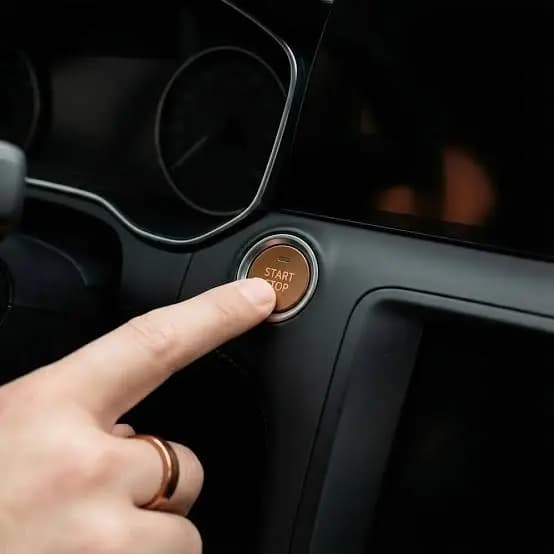
Turning the key or pressing the start button and getting nothing back is one of the most stressful moments a driver can face. A car that won't start can ruin a morning, delay an important appointment and leave you unsure what to do next. At CarWorkshop.ae, we help car owners understand what is happening under the bonnet and connect them with qualified professionals when a problem needs expert attention. This guide explains the most common reasons behind car starting issues, the safe checks you can try yourself and the signs that tell you it is time to get help.
Why Won't My Car Start? Understanding the Basics
To understand why your car won't start, it helps to know what an engine needs in order to run. Every petrol or diesel engine depends on three essentials working together: electrical power to turn the engine over, fuel delivered in the right amount and a proper spark or compression to ignite it. If any one of these is missing or weak, the engine will refuse to fire.
Modern vehicles add another layer. Computers, sensors and security systems all have to agree that the car is ready to start before the engine is allowed to run. That means a starting problem can come from something as simple as a tired battery or as complex as a faulty sensor sending the wrong signal. The good news is that your car usually gives clues, and learning to read those clues makes the diagnosis much easier.
Read the Symptoms First
Before guessing at the cause, pay attention to exactly what happens when you try to start the car. The way the car behaves is the best starting point for any diagnosis.
If you hear nothing at all and the dashboard stays dark, the problem is most likely an electrical supply issue such as a flat battery or a poor connection. If the dashboard lights come on but you hear only a rapid clicking sound, the battery probably has some charge but not enough to turn the engine. If the engine turns over slowly and sounds heavy, the battery is weak or the starting system is struggling. If the engine cranks at normal speed but never catches and runs, the electrical side is likely fine and the issue is more likely related to fuel, air or spark.
Noting these details before you call anyone saves time and helps a technician narrow down the cause much faster.
A Dead or Weak Battery
The battery is the single most common reason a car won't start. It provides the large burst of power needed to turn the engine over, and as it ages, its ability to hold a charge declines. Leaving lights, the stereo or a charger plugged in while the engine is off can drain it overnight. Short trips that never give the alternator time to recharge the battery slowly wear it down as well.
Typical signs of a failing battery include slow cranking, dim headlights, flickering dashboard lights and a clicking noise when you try to start. A battery that is more than three to five years old is more likely to fail without much warning. If a jump start brings the car back to life but it will not start again later, the battery may no longer be holding a charge and likely needs replacement.
Loose or Corroded Battery Terminals
Sometimes the battery is perfectly healthy, but the power cannot travel properly because the connection is poor. White, green or blue powdery deposits around the terminals are a sign of corrosion, and they act like a barrier that blocks the flow of electricity. Loose clamps can cause the same trouble, producing intermittent starting problems that seem to come and go without explanation.
Cleaning and tightening the terminals is often a simple job, but it should be done carefully with the engine off and proper protection for your hands and eyes. If the cables themselves look frayed, swollen or damaged, they should be inspected by a professional rather than patched up at home.
A Faulty Starter Motor
If the battery is strong and the connections are clean but the engine still will not turn over, the starter motor deserves attention. This small but powerful motor is responsible for physically spinning the engine until it can run on its own. When it begins to fail, you may hear a single loud click, a grinding noise, a whirring sound without the engine turning or nothing at all.
Starter motors can wear out because of age, heavy use or electrical faults, and the symptoms can be intermittent at first. One day the car starts normally, the next day it does not. Ignoring these early warnings often leads to a complete failure at the worst possible time. If you notice these signs, arranging professional starter motor repair early can prevent a breakdown and help you avoid being stranded.
Alternator Problems
The alternator recharges the battery and powers the electrical systems while the engine runs. When it fails, the car begins to run purely on battery power until the battery is drained, and then it will not start at all. Many drivers mistake this for a battery problem and replace the battery, only to find the same issue returning a few days later.
Warning signs of a weak alternator include a battery warning light on the dashboard, dimming lights while driving, a whining or growling noise from the engine area and electrical features behaving strangely. If your car stalls while driving and then refuses to restart, the alternator should be checked as soon as possible.
Fuel Delivery Issues
When the engine cranks normally but never fires, fuel is a common suspect. The simplest explanation is an empty tank, since a faulty fuel gauge can sometimes give a misleading reading. Beyond that, a failing fuel pump, a clogged fuel filter or a blocked fuel line can stop petrol or diesel from reaching the engine in the right quantity.
A fuel pump that is struggling may produce a faint humming noise from the rear of the car when you switch the ignition on, or it may be silent altogether. Poor quality fuel and contaminated tanks can also lead to hard starting, rough idling and hesitation. Fuel system faults should be diagnosed properly because working around fuel requires care and the right equipment.
Ignition System and Spark Problems
Petrol engines rely on spark plugs and ignition coils to ignite the air and fuel mixture. Worn spark plugs, failing coils or damaged wiring can cause the engine to crank but refuse to start, or to start roughly and then stall. Misfires, shaking at idle and reduced power often appear before the problem becomes serious.
Diesel engines work differently, using compression and, in many cases, glow plugs to help with starting. A faulty glow plug system can make a diesel engine difficult to start, especially when the engine is cold. Regular maintenance of these components is one of the easiest ways to avoid unexpected starting trouble.
Security System and Key Fob Faults
Today's vehicles are equipped with immobilisers that prevent the engine from running unless the correct key is recognised. If the key or fob has a weak battery, is damaged or fails to communicate with the car, the engine may crank without starting or may not crank at all. A security light flashing on the dashboard is a common clue.
Before assuming something serious, try a spare key if you have one, and replace the fob battery if it is old. If the problem continues, the immobiliser system or the key programming may need professional diagnosis.
Sensors, Software and Engine Control Faults
The engine control unit relies on information from sensors that measure engine position, airflow, temperature and more. If the crankshaft position sensor or camshaft sensor fails, the car may crank but never start because the computer does not know when to deliver fuel and spark. These faults often trigger a check engine light, and a diagnostic scan can reveal stored fault codes that point straight to the cause.
Because these problems cannot be seen by looking under the bonnet, proper diagnostic equipment is essential. Guessing and replacing parts at random can become costly and frustrating, which is why a scan by a trained technician is usually the smartest first step.
Simple Safe Checks You Can Try
There are a few harmless checks that may help before you ask for assistance. Make sure the gear selector is fully in park or neutral, since many cars will not start otherwise. Press the brake pedal firmly in automatic cars and the clutch pedal in manual cars. If the steering wheel feels locked, turn it gently while turning the key to release the steering lock. Check that the fuel gauge shows enough fuel, and see whether the interior lights and headlights shine brightly, because dim lights point to a weak battery.
If a jump start is possible, follow the correct connection order and safety guidance in your owner's manual. Avoid repeatedly cranking the engine for long periods, as this can overheat the starter and drain whatever power remains in the battery.
When You Should Stop and Call a Professional
Some situations should not be handled at home. If you smell petrol, see smoke, notice burning odours or find fluid leaking beneath the car, stop trying to start it and seek help immediately. The same applies if the car has been in an accident, if warning lights stay on after a jump start or if the problem keeps returning.
Repeated attempts to start a car with an unknown fault can turn a small repair into a bigger one. Professional diagnosis is not just about convenience, it is also about safety for you, your passengers and other road users.
How to Prevent Car Starting Issues
Most starting problems build up gradually and give warning signs long before the car fails completely. Regular maintenance is the most reliable way to avoid being caught out. A scheduled car service allows a technician to test the battery, inspect the charging system, check the spark plugs and filters and spot worn components before they leave you stranded.
Beyond servicing, a few habits help. Avoid leaving electrical items on when the engine is off, take longer drives from time to time so the battery can recharge fully, keep the terminals clean and replace the battery when it reaches the end of its life. Listen for unusual sounds and never ignore slow cranking, because it is often the first message from a system that needs attention.
How CarWorkshop.ae Can Help
When your car refuses to start, the last thing you want is confusion about where to turn. CarWorkshop.ae is a car servicing network that connects vehicle owners with experienced professionals who can diagnose and resolve starting problems, from battery and charging faults to starter, fuel and electrical issues. Our aim is to make the process clear, organised and stress free, so you can focus on getting back on the road with confidence.
Frequently Asked Questions
Q: Why won't my car start even though the lights come on?
A: When the lights work but the engine will not turn over, the battery may have enough power for small electrical items but not enough to run the starter. A faulty starter motor, a loose connection or a security system fault can also cause this. Checking how the car behaves when you turn the key will help narrow down the cause.
Q: What does it mean when my car clicks but won't start?
A: A rapid clicking sound usually points to a weak or discharged battery that cannot supply enough power. A single loud click can suggest a problem with the starter motor or its connections. In both cases, the electrical starting system should be tested to confirm the exact fault.
Q: Why does my engine crank but not start?
A: If the engine turns over normally but never runs, the issue is often related to fuel delivery, spark, air supply or a faulty sensor. Because several systems could be responsible, a diagnostic scan is the most reliable way to find the real cause without unnecessary part replacement.
Q: Can a bad alternator stop a car from starting?
A: Yes. A failing alternator cannot recharge the battery, so the battery slowly drains until there is not enough power to start the engine. If your battery keeps going flat after being charged or replaced, the alternator should be tested.
Q: Is it safe to keep trying to start my car repeatedly?
A: It is best not to. Repeated attempts can overheat the starter motor, drain the battery completely and, in some cases, flood the engine with fuel. If the car does not start after a few short attempts, stop and look for the cause or get professional help.
Q: How often should I service my car to avoid starting problems?
A: Following the interval recommended in your owner's manual is the best approach. Regular servicing includes checks on the battery, charging system, ignition components and filters, all of which play an important role in reliable starting.
Q: Can a weak key fob battery prevent my car from starting?
A: Yes. If the car cannot detect the key properly, the immobiliser may block the engine from starting. Replacing the fob battery or trying a spare key is a quick and simple first step.
Get Your Car Starting Again With Confidence
A car that will not start does not have to leave you stuck and uncertain. Whether the cause is a tired battery, a worn starter or a hidden electrical fault, the right professional help can identify the problem quickly and restore your peace of mind. Keep your vehicle healthy with regular checks, pay attention to early warning signs and act before a small issue becomes a roadside emergency. Reach out to CarWorkshop.ae today and let us help you find the right experts to get your car back on the road.