Car Overheating: Common Causes, Warning Signs & Solutions
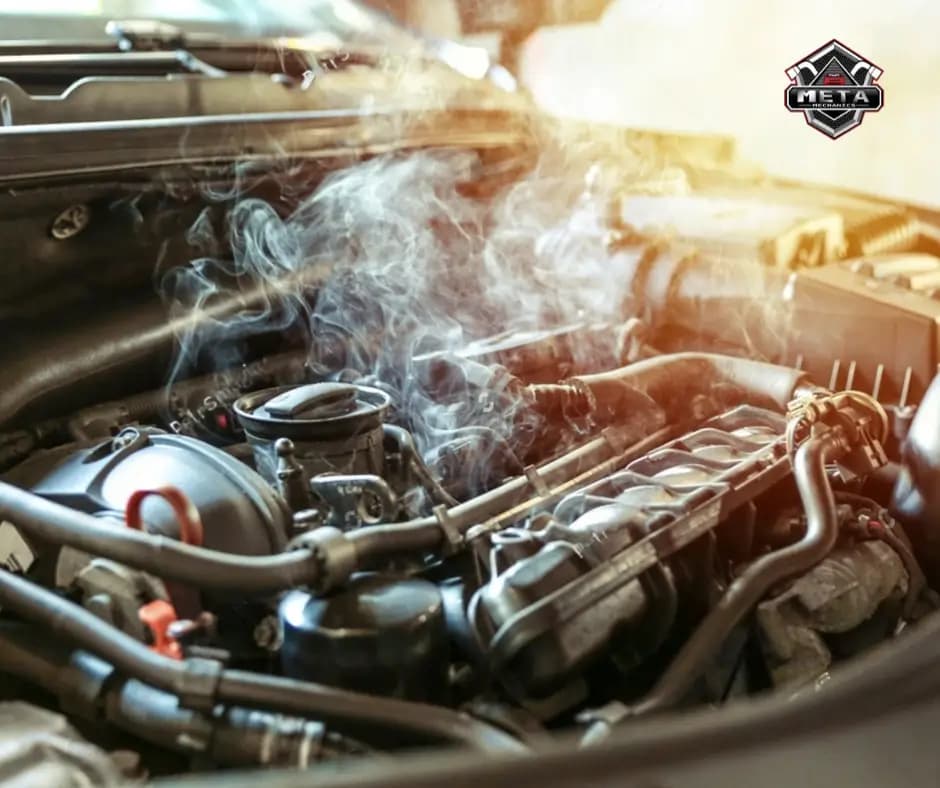
A temperature gauge creeping into the red, steam rising from under the bonnet or a sweet burning smell while you drive can turn an ordinary journey into a stressful moment. Car overheating is one of the most serious problems a vehicle can face, because even a few minutes of excess heat can cause lasting engine damage. At CarWorkshop.ae, we help car owners understand what their vehicle is telling them and connect them with qualified professionals when a problem needs expert attention. This guide explains why a car overheats, how to recognise the early signs, what to do in the moment and how to prevent car engine overheating in the future.
Why Is Car Overheating? Understanding the Basics
An engine produces a huge amount of heat every time it runs. The cooling system exists to carry that heat away and keep the engine within a safe working temperature. Coolant, a mixture of water and antifreeze, circulates through passages in the engine, absorbs heat and then flows to the radiator, where airflow cools it down before it returns to the engine.
Several parts must work together for this cycle to succeed. The water pump keeps the coolant moving, the thermostat controls when it flows to the radiator, the radiator releases the heat, the cooling fan pulls air through when the car is moving slowly or standing still and the hoses and cap hold everything under pressure. If any one of these fails, heat builds up quickly. That is why the question of why a car is overheating rarely has a single answer, and why a proper inspection matters.
Warning Signs of Car Engine Overheating
Your car usually gives clear signals before a serious failure. Learning to spot them gives you time to act.
The most obvious sign is a temperature gauge that rises above its normal position or a warning light on the dashboard. Steam or vapour coming from under the bonnet, a sweet smell of coolant, a hot or bubbling smell from the engine bay and a sudden loss of power are also common. You may notice the engine making ticking or knocking noises, the air conditioning blowing warm air or coolant puddles under the car. Any of these signs should be taken seriously, and the sooner you respond, the lower the risk of damage.
Low Coolant Level
Low coolant is one of the most frequent reasons for a car overheating. Coolant slowly escapes through small leaks in hoses, joints, the radiator or the water pump, and it can also evaporate or be burned inside the engine if a gasket has failed. When the level falls too low, there is not enough fluid to absorb and carry away the heat.
Check the coolant reservoir only when the engine is completely cold. If the level is below the minimum mark repeatedly, you almost certainly have a leak that needs to be found and fixed. Simply topping up without finding the cause only delays the problem and risks repeated overheating.
Coolant Leaks From Hoses and Connections
Rubber hoses harden, crack and swell over time because of heat and age. Clamps can loosen and connections can corrode, allowing coolant to seep or spray out under pressure. Leaks may be small and appear only when the engine is hot, so they are easy to miss.
Look for damp patches, crusty white or coloured residue around hose ends and puddles beneath the car. A bright green, pink or orange fluid with a sweet smell is a strong clue that coolant is escaping. A professional pressure test can find even tiny leaks that are hard to see.
Radiator Problems
The radiator is the main heat exchanger of the cooling system, and it can fail in several ways. Its thin passages can become blocked by rust, scale or old coolant, reducing the flow of fluid. The outside fins can clog with dirt, insects and debris, which restricts airflow. Corrosion and impacts can also cause cracks and leaks.
A struggling radiator often causes overheating in traffic or when the car is working hard, even if everything seems fine at steady speeds. If you notice recurring temperature spikes, coolant loss or visible damage, professional car radiator repair can restore proper cooling before the engine suffers.
Faulty Thermostat
The thermostat is a small valve that stays closed while the engine warms up and opens when the right temperature is reached, allowing coolant to flow to the radiator. If it sticks closed, hot coolant cannot reach the radiator, and the engine overheats quickly, often within minutes of starting.
Signs of a failing thermostat include a gauge that shoots up soon after starting, uneven heater performance and erratic temperature readings. Because the part is inexpensive compared with the damage it can cause, replacing a suspect thermostat early is usually the wiser choice.
Failing Water Pump
The water pump circulates coolant through the engine and radiator. Its internal blades can corrode or break, its bearing can wear out and its seal can leak. When the pump slows or stops, coolant stops moving, and heat builds rapidly around the engine.
Typical signs include coolant leaking near the front of the engine, a whining or grinding noise, a loose or wobbling pump pulley and overheating that gets worse at higher speeds. In many engines the pump is driven by the timing belt, so a failure can lead to even greater damage. Do not ignore early symptoms.
Cooling Fan Failure
The cooling fan draws air through the radiator when the car is moving slowly, stuck in traffic or idling. If the fan motor fails, a fuse blows, a relay stops working or a temperature sensor sends the wrong signal, airflow drops and the engine heats up.
A common pattern is a car that overheats at low speeds or in heavy traffic but cools down once it moves faster. If the fan does not spin when the engine is hot, or the air conditioning stops working properly at idle, the fan system should be tested.
Blocked Coolant Passages and Old Coolant
Coolant does more than carry heat. It also contains additives that prevent rust and scale. Over time these additives wear out, and the fluid becomes acidic and contaminated, forming sludge that clogs passages inside the engine and radiator.
Using the wrong coolant type or mixing different kinds can also cause chemical reactions that damage the system. Replacing coolant at the interval recommended in your owner's manual and using the correct specification are simple habits that prevent many cooling problems.
Radiator Cap and Pressure Problems
The radiator cap keeps the cooling system under pressure, which raises the boiling point of the coolant. A worn cap that cannot hold pressure allows coolant to boil at a lower temperature and escape as steam. It may also let coolant flow out of the reservoir.
A faulty cap is a small and often overlooked part, yet it can be the cause of recurring overheating. Never open the cap on a hot engine, because the pressurised steam and fluid can cause severe burns.
Head Gasket Failure and Internal Engine Damage
The head gasket seals the joint between the engine block and cylinder head, keeping coolant, oil and combustion gases in their own passages. If it fails, hot gases can enter the cooling system or coolant can leak into the cylinders or oil.
Warning signs include white smoke from the exhaust, milky or foamy oil, bubbles in the coolant reservoir, unexplained coolant loss and persistent overheating. This is a serious fault that can lead to warped components and costly repairs. Prompt professional engine repair is essential if a head gasket problem is suspected, and continuing to drive can make things far worse.
Low Engine Oil and Other Contributing Factors
Oil also helps cool the engine by reducing friction and carrying heat away from internal parts. Low or degraded oil increases friction and raises temperatures. A dragging brake, a slipping belt, a blocked exhaust or a heavy load such as towing can also push an engine to overheat.
Hot weather, heavy traffic and long periods of idling add extra stress to the cooling system. A system that works well in mild conditions may struggle when demands rise, which is why regular checks matter.
What to Do If Your Car Starts Overheating
Acting calmly and quickly can prevent serious damage. If you notice the temperature rising, switch off the air conditioning and turn the heater on at full blast, which helps draw some heat away from the engine. Pull over to a safe place as soon as you can and switch off the engine.
Open the bonnet carefully to let heat escape, but do not touch the radiator cap or any hot parts. Wait until the engine has cooled completely before checking the coolant level, which can take 30 minutes or more. If the coolant is low and you have the right fluid, you may add it slowly to the reservoir once the engine is cold. If the car overheats again, or you see steam, leaks or smoke, do not keep driving. Arrange professional help or recovery, because driving an overheated engine can cause permanent damage within minutes.
Safe Checks You Can Do at Home
Some simple checks can help you describe the problem accurately. With the engine off and fully cold, look at the coolant reservoir level, inspect hoses for cracks or bulges, check for wet patches or colourful residue under the car and look at the front of the radiator for blockages. Listen for unusual noises and watch whether the temperature gauge behaves normally on your next start.
Never open a hot radiator cap, never pour cold water into a hot engine and never ignore a gauge that keeps rising. If you are unsure about anything, stop and ask a professional.
What Happens During a Professional Overheating Diagnosis
A thorough diagnosis goes beyond topping up fluid. Technicians pressure test the cooling system to find leaks, check the radiator cap, inspect hoses, test the thermostat and fan operation, examine the water pump and look for signs of gasket trouble. They may also use a chemical test to detect combustion gases in the coolant and a diagnostic scan to read sensor data.
Once the cause is found, the repair plan is explained in clear language. It could be as simple as replacing a hose or thermostat, or it may involve a radiator, pump or deeper engine work. A good professional will also flush the system if needed, use the correct coolant and check that the repair has solved the problem before the car is returned.
Why Ignoring Overheating Is Risky
An overheated engine can warp the cylinder head, blow the head gasket, crack the engine block, damage pistons and bearings and in extreme cases seize completely. These are among the most expensive repairs any car owner can face. Overheating can also leave you stranded on a busy road, which is a safety risk for you and other drivers.
Treating overheating as an early warning rather than an inconvenience protects your engine, your wallet and your safety. Addressing the first sign of trouble is almost always cheaper and simpler than repairing damage later.
How to Prevent Car Engine Overheating
Prevention is straightforward and highly effective. Check your coolant level regularly when the engine is cold and use the type recommended in your owner's manual. Replace coolant at the correct intervals, inspect hoses and belts for wear and keep the front of the radiator clear of debris. A scheduled car service allows a technician to check the cooling system, test the thermostat and fan, inspect the radiator and catch small leaks before they cause an overheating event.
Drive smoothly, avoid overloading the car and pay attention to the temperature gauge as part of your normal driving routine. If the gauge behaves differently from usual, treat it as a sign to investigate. Consistent care keeps the cooling system strong and the engine safe.
How CarWorkshop.ae Can Help
Dealing with an overheating car can feel confusing and stressful, especially when you are unsure how serious the problem is. CarWorkshop.ae is a car servicing network that connects vehicle owners with experienced professionals who can diagnose cooling system faults, repair leaks and support ongoing maintenance. Our goal is to make the process clear and organised, so you always know what is happening with your car and what to do next.
Frequently Asked Questions
Q: Why is my car overheating?
A: The most common reasons are low coolant, leaks, a faulty thermostat, a failing water pump, a blocked radiator and a broken cooling fan. Less often, a head gasket failure or internal engine problem is responsible. A proper inspection is the best way to find the exact cause.
Q: Can I keep driving if my car is overheating?
A: No. Continuing to drive an overheated engine can cause severe and permanent damage in a very short time. Pull over safely, switch off the engine, let it cool and arrange professional help.
Q: How long should I wait before opening the bonnet and checking coolant?
A: Allow the engine to cool completely, which usually takes at least 30 minutes. Never open the radiator cap while the engine is hot, as pressurised steam and hot fluid can cause serious burns.
Q: Why does my car overheat only in traffic?
A: This often points to a cooling fan problem or a weak radiator, because airflow is limited when the car is moving slowly or standing still. If the temperature drops once you start moving faster, the fan system should be checked.
Q: Can I add water instead of coolant?
A: Water can be used as an emergency measure to reach safety, but it does not provide the protection that proper coolant offers. Have the system checked and filled with the correct coolant mixture as soon as possible.
Q: What does white smoke from under the bonnet mean?
A: White steam usually means coolant is leaking onto hot engine parts or boiling over. Stop the car in a safe place, switch off the engine and avoid opening the bonnet until it cools. Persistent white exhaust smoke may also signal a head gasket problem.
Q: How often should I check my cooling system?
A: Check the coolant level every few weeks and before long trips, and have the full system inspected during regular servicing. Following the guidance in your owner's manual is the best way to keep the cooling system in good health.
Protect Your Engine Before Heat Becomes Damage
Car overheating is a problem that rarely fixes itself, and the cost of waiting grows with every hot journey. Keep an eye on your temperature gauge, check your coolant regularly and never ignore the early signs. When you want clear guidance and trusted professionals, CarWorkshop.ae is here to help you take the next step. Reach out to us today and let us help you protect your engine, your safety and your peace of mind.