Car Battery Problems: Common Signs, Causes & Solutions
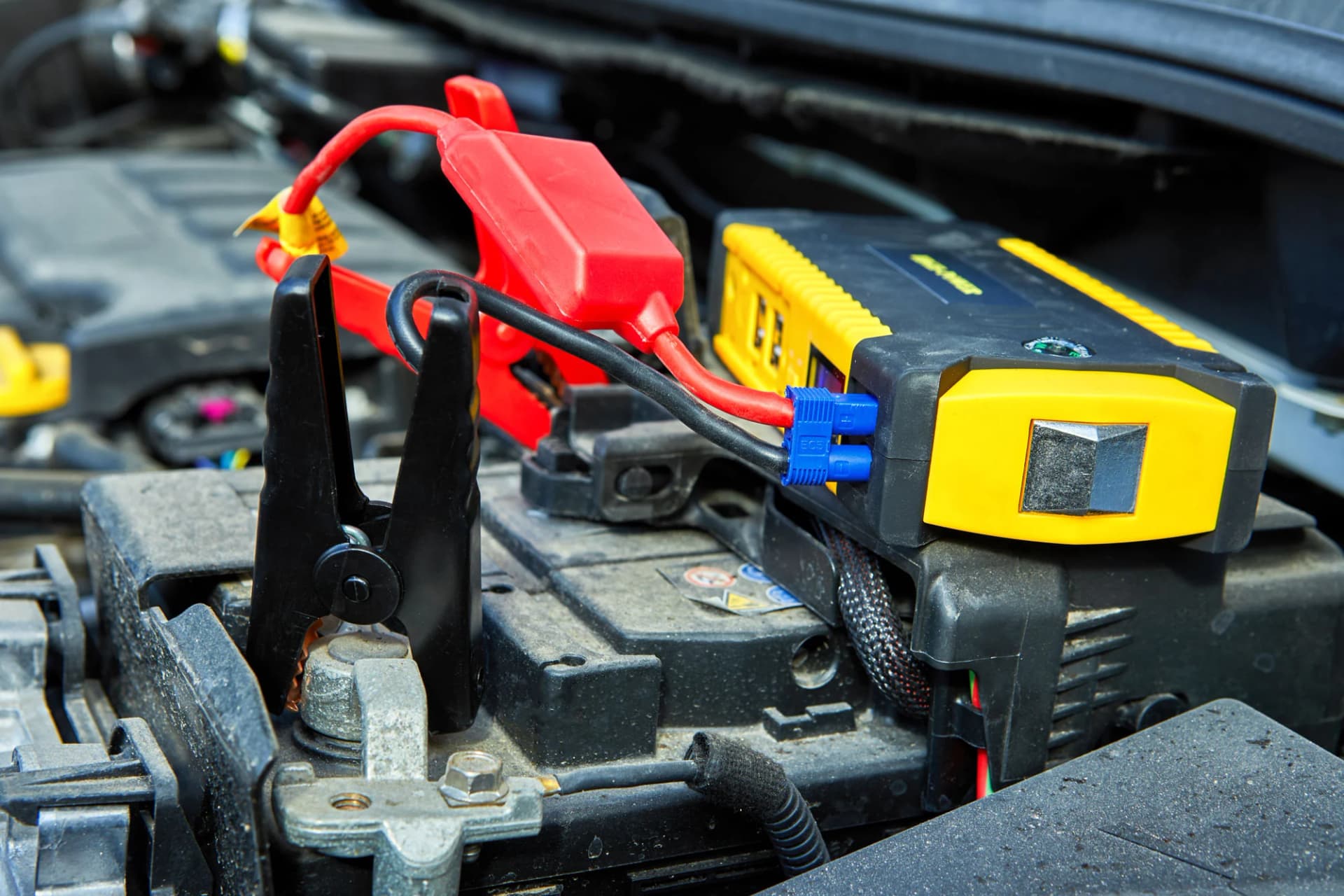
A car battery rarely gives much warning before it lets you down, and that is what makes battery trouble so frustrating. One morning the car starts without a problem, and the next it clicks, cranks slowly or does nothing at all. Because modern cars rely on electrical power for far more than starting, a weak battery can also trigger strange behaviour in lights, screens, sensors and driver assistance systems.
This guide from CarWorkshop.ae explains the most common car battery problems, the bad car battery symptoms to watch for, what causes battery issues, how a technician tests them and what you can do to extend battery life. Understanding the signs early can save you from being stranded and from paying for repairs you do not need.
What Does a Car Battery Do?
The car battery stores electrical energy and delivers a large burst of current to the starter motor when you start the engine. Once the engine is running, the alternator takes over, powering the electrical system and recharging the battery. The battery also acts as a stabiliser, smoothing out voltage so that sensitive electronics keep working correctly.
In modern vehicles, the battery has even more responsibilities. It supports start stop systems, powers safety features, keeps memory settings and supplies the control units that manage the engine and transmission. When the battery weakens, these systems may behave unpredictably, which is why battery health matters more than ever.
Bad Car Battery Symptoms to Watch For
A failing battery usually sends signals before it dies completely. Recognising them gives you time to act before a breakdown.
Slow or Labouring Engine Crank
If the engine turns over more slowly than usual when you start the car, the battery may not be delivering enough power. The cranking sound can seem tired, drawn out or uneven. This is one of the earliest and most common signs of a weakening battery.
Clicking Sound or No Start
A rapid clicking sound when you turn the key or press the start button often means the battery has too little charge to turn the starter. In some cases, there is no sound at all and the dashboard lights barely come on. A battery that is completely flat may need charging or replacing, and a test will show which one applies.
Dim Headlights and Weak Electrical Performance
Headlights that look weaker than normal, interior lights that flicker and screens that restart or lag can all point to a battery that cannot hold a steady voltage. Windows that move slowly and a radio that resets itself are further hints. These changes often appear when the engine is off or at idle.
Battery Warning Light
The battery symbol on the dashboard usually points to a problem with the charging system, which may involve the battery, the alternator or the wiring. It should not be ignored, because the car may be running only on stored power. A fast diagnosis helps prevent the car from stopping unexpectedly.
Swollen or Leaking Battery Case
A battery case that looks bloated, cracked or wet is a serious warning. Heat and overcharging can cause the internal parts to swell, and leaks can release harmful acid. A damaged battery should be handled with care and replaced as soon as possible.
Corrosion on the Terminals
A white, blue or green powdery build up around the terminals is a sign of corrosion, which increases electrical resistance and reduces the power that reaches the car. Cleaning the terminals can help, but heavy corrosion can also point to a leaking or ageing battery. Persistent corrosion should be checked by a technician.
Rotten Egg Smell
A smell like rotten eggs near the battery can indicate that it is leaking or overheating, which releases sulphur gas. This is a safety risk, so avoid sparks or flames near the car and have it inspected quickly. Do not try to jump start a battery that smells strongly or looks damaged.
Frequent Jump Starts and Age
If you need a jump start more than once, the battery is probably near the end of its life, or something is draining it. Most car batteries last for a limited number of years, and age is a strong factor. A battery that is several years old and showing any of these symptoms deserves a proper test.
Start Stop System Not Working and Electrical Glitches
In cars with automatic engine stop and start, the system often turns itself off when the battery is weak. You may also see random warning lights or unusual behaviour from electronic features. These glitches can be caused by low voltage even when the car still starts.
Common Causes of Car Battery Problems
Batteries fail for many reasons, and knowing them helps you prevent trouble. The causes below are the most common ones technicians find.
Normal Ageing and Wear
Every battery has a limited lifespan, because its internal plates gradually lose the ability to store and release energy. Frequent charging and discharging, along with vibration and temperature changes, speed up this process. Once capacity drops too far, the battery can no longer start the car reliably.
High Temperatures and Climate Effects
Heat is one of the biggest enemies of a car battery, because it accelerates chemical reactions inside and causes the liquid to evaporate faster. Batteries in hot conditions often fail sooner than those in mild ones. Extreme cold also reduces available power, so a weak battery may fail first on a very cold morning.
Short Trips and Infrequent Use
Starting the engine takes a lot of energy, and a short drive may not allow the alternator to replace it fully. Repeated short trips slowly drain the battery over time. A car that sits unused for long periods can also lose charge and suffer internal damage.
Parasitic Drain
Some electrical components continue to draw a small amount of power even when the car is off. A faulty module, a poorly fitted accessory or a stuck relay can create a larger drain that flattens the battery overnight. To understand how this connects with wider faults, owners can read about common car electrical problems and how they affect starting and charging.
Alternator and Charging System Faults
A weak alternator, a worn belt or a faulty voltage regulator can leave the battery undercharged even though the engine is running. In modern cars with mild hybrid systems or smart charging, the charging control is even more complex. Replacing a battery without checking the charging system can lead to another failure soon afterwards.
Loose or Corroded Connections
Loose terminals and corroded cables increase resistance, so less power reaches the starter and electrical system. They can also prevent the battery from charging properly. Sometimes the battery is healthy and the real problem is simply a poor connection.
Leaving Lights or Accessories On
Leaving headlights, interior lights or other accessories on while the engine is off is a classic way to flatten the battery. Repeated deep discharges also shorten battery life, even if the car starts again after a jump start. Developing a habit of checking before you leave the car can help.
Vibration and Poor Mounting
A battery that is not securely fastened can vibrate and damage its internal plates. Over time this leads to shorted cells and sudden failure. Checking that the hold down clamp is tight is a simple but valuable step.
How to Tell If It Is the Battery, Alternator or Starter
Because several parts share similar symptoms, it is easy to blame the wrong one. If the engine cranks slowly or the lights are dim before starting, the battery is a likely suspect. If the car starts with a jump start but dies again soon after, the alternator may not be charging.
If the lights are bright but the engine only clicks or does not turn over, the starter or its circuit may be at fault. These clues are helpful, yet a proper test is the only way to be certain. Replacing parts without testing can waste both time and money.
How a Technician Tests a Car Battery
A thorough battery check begins with a visual inspection of the case, terminals and cables. The technician then measures the battery voltage and performs a load test, which shows how well it can deliver power under demand. A healthy battery at rest generally reads about twelve point six volts, while a reading well below that suggests it is discharged or weak.
The charging system is then tested with the engine running, and the output should normally fall in a range of roughly thirteen point seven to fourteen point seven volts. If the battery keeps going flat, a parasitic drain test can identify circuits that are using power when they should not. On modern cars, diagnostic equipment also reads battery data from the control units.
Solutions: How Car Battery Problems Are Fixed
The right solution depends on the cause. If the battery is only discharged, a proper slow charge may restore it, provided it is healthy enough to hold the charge. Corroded terminals are cleaned and tightened, and loose cables and mounting points are repaired.
If the battery is old, damaged or fails a load test, replacement is the best choice. It is important to choose a battery with the correct type, size and specification for the car, since modern vehicles may need absorbent glass mat or enhanced flooded batteries. After replacement, many cars also need the new battery to be registered with the control unit so that charging is managed correctly. If a charging fault or drain was the root cause, it must be repaired as well.
Is It Safe to Jump Start a Car?
Jump starting can be done safely when the battery is in good physical condition and the correct procedure is followed. Use proper cables, connect them in the right order and keep sparks and flames away, because batteries can release flammable gas. Never attempt to jump start a battery that is cracked, leaking, swollen or frozen.
Many modern cars also have sensitive electronics and specific jump start points, so check the owner manual before connecting cables. A jump start is only a short term fix, and the underlying cause should always be investigated. If you need one repeatedly, arrange a battery and charging system test.
How to Make Your Car Battery Last Longer
A few habits can extend battery life considerably. Take the car for a longer drive regularly so the battery has time to recharge fully, and avoid leaving accessories on when the engine is off. Keep the terminals clean and tight, and make sure the battery is securely mounted.
Regular maintenance is just as important. A thorough car service includes checking battery health, charging output, terminals and cables, so a weak battery can be found before it leaves you stranded. Parking in shade when possible and testing the battery before extreme weather also helps, since heat and cold both expose weak batteries.
Why Drivers Trust CarWorkshop.ae for Battery and Electrical Problems
Battery trouble can come from many different sources, so a careful and honest approach is essential. CarWorkshop.ae focuses on accurate testing, clear explanations and fair recommendations, so you know whether the problem lies in the battery, the alternator, the wiring or something else. That clarity helps owners avoid unnecessary replacements.
Every car and every fault is different, which is why testing comes before replacing parts. By combining proper diagnosis with experienced technicians, CarWorkshop.ae aims to fix the real cause the first time and avoid repeat visits. This protects your time, your safety and your confidence on every journey.
Frequently Asked Questions About Car Battery Problems
Q: What are the most common bad car battery symptoms?
A: Typical signs include slow cranking, a clicking sound when starting, dim headlights, a battery warning light, corrosion on the terminals and the need for frequent jump starts. Some cars also show electrical glitches or a disabled start stop system. A battery test confirms whether the battery is truly the cause.
Q: How long does a car battery usually last?
A: Lifespan depends on the battery type, driving habits, temperature and the condition of the charging system. Many batteries last for several years, but heat, short trips and electrical drain can shorten that. Regular testing helps you replace it before it fails.
Q: Can a car battery be bad even if the car still starts?
A: Yes, a battery can lose capacity gradually and still start the car until it reaches a point where it fails suddenly. Slower cranking, dim lights and electrical glitches may be early clues. A test can show how much life the battery has left.
Q: Why does my car battery keep going flat?
A: Common reasons include an ageing battery, a parasitic drain, a faulty alternator, repeated short trips or accessories left on. A technician can test the battery, the charging system and the circuits for unusual drain. Replacing the battery alone will not fix a problem that originates elsewhere.
Q: Is it safe to drive with the battery warning light on?
A: It is risky, because the car may be running only on stored battery power and could stop without much warning. Low voltage can also affect steering assistance, braking support and other systems. Have the car inspected as soon as possible.
Q: Can I charge a dead car battery myself?
A: A battery that is simply discharged may be recharged with a suitable charger, but a dead battery is often a sign of age or a deeper fault. Modern cars can also be sensitive to improper charging. A professional test will show whether charging or replacement is the better option.
Q: How can I prevent car battery problems?
A: Drive regularly for longer distances, avoid leaving lights and accessories on, keep terminals clean and make sure the battery is securely mounted. Have the battery and charging system tested during routine servicing, especially before extreme weather. Respond quickly to slow cranking and warning lights.
Keep Your Car Starting Strong with CarWorkshop.ae
If your car is showing signs of battery trouble, do not wait until it refuses to start at an awkward moment. CarWorkshop.ae can help you understand what is happening, test the battery and charging system carefully and explain your options in plain language. A healthy battery protects your daily routine, your electronics and your peace of mind, and the sooner you act, the more choices you will have. Get in touch with CarWorkshop.ae today and drive with confidence every time you turn the key.