Blown Car Gasket: Early Symptoms, Causes & How to Fix It
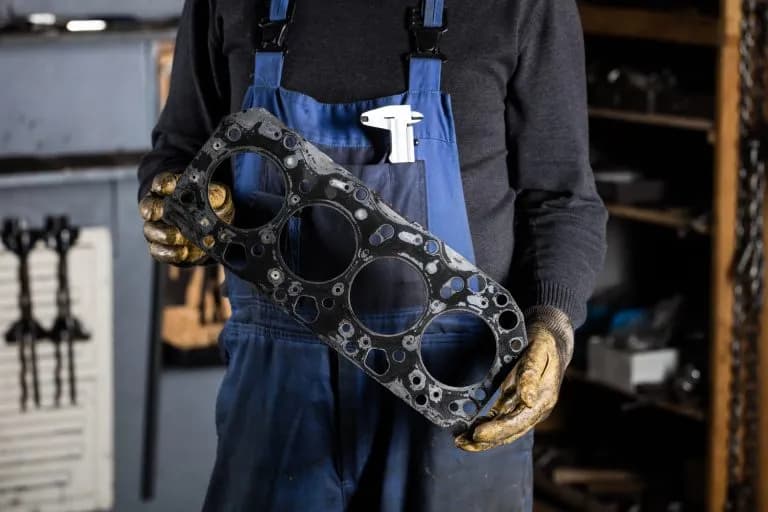
If your engine is overheating, your coolant is disappearing without explanation, or white smoke keeps pouring out of your exhaust, you might be dealing with one of the most feared problems in car ownership - a blown car gasket (commonly known as a blown head gasket). It's a repair that strikes fear into most drivers' hearts, not because it's mysterious, but because it's expensive, disruptive, and easy to ignore until it's too late.
The good news? A blown gasket rarely happens overnight. It almost always gives you warning signs first. If you know what to look for, you can catch the problem early, save yourself thousands in repair bills, and in some cases avoid a full engine replacement altogether.
In this guide, the team at CarWorkshop breaks down exactly what a head gasket does, the early symptoms of a blown gasket, what causes it, how mechanics diagnose it, what your repair options actually look like, and how to prevent it from happening again.
What Is a Blown Car Gasket, and Why Does It Matter?
Before we talk about what goes wrong, it helps to understand what a head gasket actually does.
Your engine is built in two main sections: the engine block (the bottom half, where the pistons move) and the cylinder head (the top half, which houses the valves and spark plugs). Sandwiched between these two components is the head gasket - a thin but incredibly tough seal, usually made from layered steel, graphite, or composite material.
This gasket has one critical job: keep three separate systems completely isolated from each other.
The combustion chambers - where fuel and air ignite to generate power
The cooling system - where coolant circulates to regulate engine temperature
The lubrication system - where engine oil flows to reduce friction
When the head gasket is intact, these three systems never mix. Combustion gases stay in the cylinders, coolant stays in its passages, and oil stays in its channels. The moment the gasket fails - even a small section of it - these systems can start leaking into each other, and that's when real trouble begins.
Because the head gasket sits at the intersection of so many critical systems, even a small failure can create a cascade of problems throughout the engine. This is why catching the issue early matters so much - a tiny leak today can become a cracked cylinder head or a seized engine a few weeks down the line.
Early Symptoms of a Blown Car Gasket
Catching a blown gasket early is the difference between a manageable repair and a catastrophic engine failure. Here are the warning signs to watch for.
1. Engine Overheating
This is often the very first sign. If your temperature gauge is creeping higher than normal, or your dashboard warning light comes on during regular driving, your cooling system may not be functioning properly - often because coolant is escaping through the damaged gasket instead of circulating where it should. Repeated overheating episodes, even brief ones, should never be ignored.
2. White Smoke From the Exhaust
If coolant is leaking into the combustion chamber, it gets burned along with the fuel, producing thick white smoke from the tailpipe. This is one of the most reliable visual indicators of a blown gasket, especially if the smoke has a slightly sweet smell and persists even after the engine has warmed up (as opposed to the brief white vapor you sometimes see on a cold morning).
3. Milky or Frothy Engine Oil
Pull out your dipstick. If the oil looks like a milkshake - pale, frothy, or milky brown instead of its normal amber or black color - coolant has likely mixed into your oil. This contamination reduces the oil's ability to lubricate your engine and needs urgent attention, since running an engine on compromised oil accelerates internal wear significantly.
4. Bubbles in the Coolant Reservoir or Radiator
If you see bubbling in your coolant tank while the engine is running (not just after startup), combustion gases may be escaping into the cooling system. This is a classic symptom of a compromised gasket seal near the combustion chamber and is often confirmed through a specific diagnostic test called a "block test."
5. Unexplained Coolant Loss
Are you topping up coolant frequently but can't find a visible puddle under the car? Internal leaks caused by a blown gasket often don't show up on your driveway - the coolant is being burned in the engine or mixing with oil instead, which is exactly why this symptom is so easy to overlook until it becomes severe.
6. Loss of Engine Power or Rough Running
A damaged gasket can cause a loss of compression in one or more cylinders, leading to misfires, rough idling, or a noticeable drop in acceleration and overall performance. You might also notice the engine shaking more than usual at idle.
7. Sweet Smell From the Engine Bay
Coolant has a distinct sweet smell, and if it's leaking internally, you may notice that odor coming from the exhaust or engine bay, particularly when the car is warmed up or after it's been running for a while.
8. Fluctuating or Erratic Temperature Gauge
Sometimes the temperature gauge won't just climb steadily - it may jump around unpredictably, spiking and dropping as gases interfere with normal coolant flow and pressure in the system.
If you notice even one or two of these symptoms, it's worth getting your car inspected right away. Ignoring them can allow a small, repairable leak to turn into full engine damage within a matter of days or weeks, depending on how hard the car is driven.
Noticing these symptoms in your car? Don't wait for the damage to spread. Book a Free Inspection with CarWorkshop today.
What Causes a Blown Car Gasket?
Understanding the root causes can help you prevent the problem in the future - or explain why it happened in the first place.
Chronic Overheating
This is the number one cause. When an engine runs too hot for too long - due to a failing radiator, broken thermostat, low coolant, or a faulty water pump - the cylinder head and block expand at different rates. That thermal stress warps the metal and breaks the gasket's seal. In many cases, drivers ignore a single overheating incident, not realizing that even one severe episode can be enough to compromise the gasket permanently.
Poor Installation or Manufacturing Defects
Sometimes the gasket itself is the problem. Improper torque during installation, using the wrong gasket for the engine, or a manufacturing flaw can cause premature failure even in a car that's never overheated. This is why proper workshop expertise matters - a rushed or incorrect installation can undo an otherwise healthy repair.
Engine Age and Wear
Like any component, gaskets degrade over time. Heat cycles, vibration, and age naturally wear down the material, making older vehicles more susceptible to gasket failure, particularly past the 150,000 km mark if maintenance has been inconsistent.
Detonation or Pre-Ignition (Engine Knock)
Using low-quality fuel, running an engine too lean, or having ignition timing issues can cause abnormal combustion - commonly known as knocking. The extra pressure spikes inside the cylinder can physically damage the gasket over time, especially around the cylinder edges where pressure is highest.
High-Performance Modifications
Turbocharging, supercharging, or aggressive tuning increases cylinder pressure significantly. Without upgrading to a reinforced gasket designed for higher performance, the factory gasket may not hold up under the additional stress.
Warped Cylinder Head or Block
A warped surface - often caused by prior overheating - won't seal evenly against the gasket, creating weak points where leaks eventually develop. This is one of the reasons a proper repair often involves machining the cylinder head flat before installing a new gasket.
Extreme Climate Conditions
In hot climates, engines already run closer to their thermal limits, so a minor cooling system fault (a low coolant level, a slow leak, or a tired radiator fan) can push the engine into overheating territory much faster than it would in milder conditions. This makes routine cooling system checks especially important for vehicles used in hot weather.
How Mechanics Diagnose a Blown Car Gasket
If you suspect a blown gasket, a workshop will typically run through several diagnostic checks:
Visual inspection of coolant, oil, and exhaust for contamination or discoloration
Compression test to check if cylinders are holding pressure correctly
Cylinder leak-down test to pinpoint exactly where pressure is escaping
Combustion gas leak test (block test) using a chemical test that detects exhaust gases in the coolant
Pressure testing the cooling system to check for internal leaks
Borescope inspection to visually examine the cylinder walls and gasket area in more detail
A combination of these tests gives a reliable diagnosis, since some symptoms can overlap with other engine problems, such as a failing water pump or a cracked radiator.
How to Fix a Blown Car Gasket
Once confirmed, you have a few possible paths forward depending on the severity of the damage and your budget.
1. Head Gasket Replacement
This is the standard fix for most cases. It involves:
Draining coolant and oil
Removing the intake manifold, exhaust components, and cylinder head
Inspecting the cylinder head and block for warping (often resurfaced or machined flat)
Installing a new gasket with correct torque specifications
Reassembling and refilling all fluids
Running diagnostic tests to confirm the repair holds
This is labor-intensive because so many components need to be removed to access the gasket, which is why the job is costly even though the part itself isn't overly expensive. Workshops usually recommend replacing related components - such as the thermostat, water pump, or timing belt - at the same time, since the engine is already disassembled.
2. Head Gasket Sealant (Temporary Fix)
For minor leaks, a chemical sealant product can sometimes plug small cracks temporarily. This is not a permanent solution and works best as a stop-gap measure to get your car to a workshop - not as a long-term fix, especially for larger leaks or already-warped components.
3. Engine Replacement or Rebuild
If overheating has caused serious damage - a cracked cylinder head, a warped block, or damaged pistons - a full engine rebuild or replacement may be more practical than repeatedly repairing a compromised engine.
Repair Cost Considerations
Head gasket replacement costs vary widely depending on your car's make, model, and engine layout (inline engines are generally cheaper to repair than V6 or V8 engines, since fewer components need removal). Labor typically makes up the majority of the cost, since the job can take anywhere from a full day to several days depending on the vehicle and how much additional damage is discovered once the engine is opened up.
How to Prevent a Blown Car Gasket
Prevention is far cheaper than repair. A few simple habits go a long way:
Monitor your temperature gauge and address overheating immediately, not after it happens repeatedly
Maintain your cooling system - flush coolant on schedule, replace worn hoses, and check your radiator and water pump
Use the correct coolant type for your engine
Don't ignore warning lights - a check engine or temperature light is your car asking for help
Get regular servicing so small issues (like a failing thermostat) are caught before they cause bigger damage
Avoid driving with low coolant, even for short trips
Check for leaks regularly, especially around the radiator, hoses, and water pump, since small external leaks can eventually lead to low coolant levels and overheating
Why Choose CarWorkshop for Your Blown Car Gasket
When it comes to a repair as critical as a blown head gasket, choosing the right workshop makes all the difference between a lasting fix and a repeat breakdown. At CarWorkshop, every gasket repair starts with a proper diagnostic process - compression testing, leak-down checks, and combustion gas analysis - so you get an accurate diagnosis before any work begins, not just a guess based on symptoms alone.
Our technicians work with precision on every step of the repair, from machining a warped cylinder head flat to torquing the new gasket to exact manufacturer specifications, ensuring the seal holds for the long term. We also inspect related components - the thermostat, water pump, and radiator - since a gasket failure is often connected to a wider cooling system issue, and fixing only the symptom without addressing the cause tends to lead to repeat failures.
At CarWorkshop, we believe in transparent pricing, honest diagnostics, and repairs done right the first time. Whether you're noticing early symptoms or already dealing with a confirmed blown gasket, our team is equipped to get your engine back to full health with minimal downtime.
Ready to get your engine checked? Book Your Appointment with CarWorkshop today, or call us for a free diagnostic consultation.
Final Thoughts
A blown car gasket sounds intimidating, but it's a problem your car almost always warns you about first - overheating, white smoke, milky oil, and coolant loss are all signals worth taking seriously. The earlier you catch it, the more repair options you'll have, and the less damage your engine will suffer overall.
If you're noticing any of these symptoms, don't wait for the problem to escalate. Bring your car to CarWorkshop for a proper diagnostic test to confirm the issue early and save yourself from a far more expensive engine replacement down the line.
Frequently Asked Questions (FAQs)
1. Can I still drive my car with a blown head gasket?
It's not recommended. Driving with a blown gasket can quickly lead to overheating, further engine damage, and in severe cases, complete engine failure. If you must drive, keep the trip short and monitor your temperature gauge closely.
2. How long does it take to fix a blown car gasket?
Depending on the engine layout and vehicle model, repair time can range from one full day to several days, since the job requires disassembling a significant portion of the engine.
3. Is it cheaper to replace the engine instead of the head gasket?
Not usually, unless there's additional damage like a warped block or cracked cylinder head. In cases of severe secondary damage, a rebuilt or replacement engine can sometimes be more cost-effective than repeated repairs.
4. What does milky oil mean exactly?
Milky, frothy oil usually indicates that coolant has leaked into your engine oil through a damaged head gasket, which compromises the oil's lubricating properties and needs prompt attention.
5. Can a blown car gasket fix itself?
No. A damaged gasket will not repair itself and typically worsens over time if left unaddressed. Even a small leak can escalate into major engine damage.
6. What's the difference between a blown head gasket and a blown engine?
A blown head gasket is a specific seal failure between the engine block and cylinder head - often repairable. A "blown engine" implies broader internal damage (cracked components, seized parts) that usually requires a full rebuild or replacement.
7. Do head gasket sealant products actually work?
They can offer a temporary fix for very minor leaks, but they're not a permanent solution and won't fix underlying issues like a warped cylinder head. A proper mechanical repair is always recommended for lasting results.
8. How can I tell the difference between a blown gasket and a simple coolant leak?
A simple external coolant leak usually shows a visible puddle under the car and doesn't affect oil color or cause white exhaust smoke. A blown gasket typically causes internal symptoms - milky oil, exhaust smoke, or bubbling in the coolant reservoir - without an obvious external puddle.
9. Does hot weather make a blown gasket more likely?
Yes, indirectly. In hot climates, an engine is already running closer to its thermal limits, so cooling system faults tend to escalate into overheating - and eventually gasket failure - faster than they would in milder weather.