6.4 Powerstroke Problems: Common Issues, Symptoms & Solutions
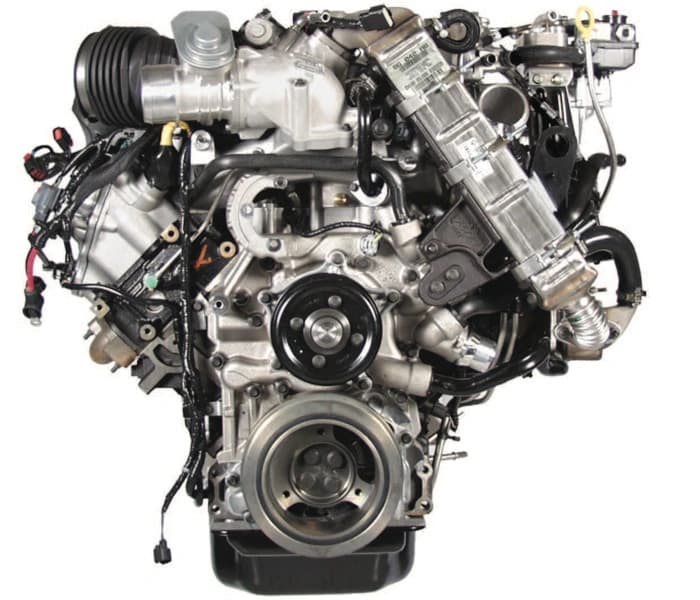
The 6.4L Powerstroke diesel earned a strong reputation for power and towing ability, yet it is also known among diesel owners for a set of recurring weaknesses. Many of these 6.4 Powerstroke problems are linked to its emissions equipment, its high pressure fuel system and the stress that heavy work places on the cooling system. Knowing the warning signs early can be the difference between a manageable repair and a major engine failure.
This guide from CarWorkshop.ae explains the most common 6.4 Powerstroke issues, the symptoms that usually come with them, why they happen and what solutions are available. It is written to help owners and buyers understand the engine clearly and make confident decisions about maintenance and repair.
Overview of the 6.4 Powerstroke Engine
The 6.4L Powerstroke is a turbocharged V8 diesel engine that was fitted to heavy duty Ford trucks for a short production run in the late 2000s. It uses a compound sequential turbocharger system, a high pressure common rail fuel system with piezo injectors and a diesel particulate filter, all designed to deliver strong power while meeting tighter emission rules. This technology made the engine capable, but it also made it complex.
The extra emissions and fuel system components increased the number of parts that could fail, and heat management became a major challenge. Because of this, owners often talk about a group of well known weak points, and many choose preventive upgrades to improve long term reliability. Understanding these areas is the foundation of keeping a 6.4 Powerstroke healthy.
Common 6.4 Powerstroke Problems
The issues below are widely reported by owners and technicians. Not every engine will experience all of them, but they are the most important points to understand.
EGR Cooler Failure
The exhaust gas recirculation cooler lowers the temperature of exhaust gas before it returns to the engine. On the 6.4 Powerstroke, the cooler can become clogged with soot or develop internal cracks, which may allow coolant to leak into the exhaust or intake system. Symptoms include coolant loss with no visible leak, white smoke, overheating, a sweet smell and reduced power.
If the cooler fails and coolant enters the combustion chamber, it can lead to serious engine damage, including head gasket failure. For this reason, many technicians treat the EGR cooler as a priority inspection point and often recommend an upgraded replacement when the system is repaired.
Oil Cooler Problems
The oil cooler transfers heat from the engine oil to the coolant, and when it becomes restricted or leaks, oil and coolant may mix. A milky appearance in the oil, rising coolant temperature, loss of coolant and poor lubrication are signs that should not be ignored. Contaminated oil cannot protect the engine, so prompt action is essential.
Cooling system health is closely linked to oil cooler life. Keeping coolant in good condition and monitoring temperature readings carefully helps reduce the risk of this failure.
Head Gasket Failure
The 6.4 Powerstroke is widely known for head gasket problems, especially when the engine has been modified for extra power or has overheated. Stretched head bolts and high cylinder pressure can reduce clamping force and allow the gasket to leak. Typical symptoms are overheating, coolant loss, white smoke, bubbles in the coolant reservoir and poor running.
A weak gasket often follows an earlier cooling system fault, such as EGR cooler failure. When repair is needed, stronger head studs and careful surface preparation are commonly used to improve reliability. Fixing the root cause is as important as replacing the gasket.
Fuel Injector Problems
The engine uses precise piezo injectors that depend on clean fuel and stable electrical supply. Over time, injectors can leak, stick or fail to spray correctly, leading to rough running, misfires, hard starting, poor fuel economy and black smoke. In some cases, fuel can leak into the cylinder or oil, which also affects lubrication.
Because injector failures can create a rich mixture and unburned fuel, they should be diagnosed promptly. For a better understanding of this symptom, owners can read about the possible causes of black smoke from exhaust and how it relates to the fuel and air systems.
Fuel Injection Control Module Failure
The fuel injection control module, often called the FICM, supplies the high voltage that the injectors need to operate. If its output voltage drops, the injectors may not open properly, leading to hard starting, rough idle, misfires and sometimes stalling. Heat and vibration can cause the module to fail, since it is mounted on the engine.
Testing the voltage supplied by the module is a quick way to identify the issue. A failing module can also put extra strain on the injectors, so early diagnosis can protect expensive components.
Turbocharger Failure
The compound turbo system uses a smaller and a larger turbocharger working in sequence. Soot, oil contamination and high exhaust temperatures can damage the vanes and bearings, especially in engines with unresolved EGR or oil problems. Symptoms include loss of power, whistling or grinding noises, blue or black smoke and slow boost response.
Replacing a turbocharger without fixing the cause often leads to repeated failure. The technician will normally check the air intake, oil supply, exhaust system and boost leaks while repairing the system.
Diesel Particulate Filter and Regeneration Issues
The diesel particulate filter traps soot from the exhaust and cleans itself through a process called regeneration, where extra fuel is injected to raise exhaust temperature. If the filter becomes clogged, or regeneration is interrupted, the truck may lose power, burn more fuel and show warning lights. Frequent short trips can make this problem more likely.
Regeneration can also send extra fuel into the engine oil, a condition known as fuel dilution. This thins the oil and can reduce protection, which is why regular oil checks and changes are so important on this engine.
Cooling System Weak Points
Because the 6.4 Powerstroke produces a lot of heat, its radiator, intercooler and related parts work hard. Cracked plastic tanks, clogged radiators and weak coolant circulation can raise temperatures and set off a chain of other failures. Poorly maintained coolant can also form deposits that block the EGR cooler and oil cooler.
Many experienced technicians consider the cooling system the heart of a healthy 6.4 Powerstroke. Keeping it clean, pressure tested and filled with the right coolant is one of the best ways to prevent costly repairs.
Other Issues Owners Report
Other issues reported on this engine include cracked exhaust manifolds, leaking turbocharger oil lines, problems with the high pressure fuel pump, sensor failures and rust or wear in the exhaust system. Fuel filters that are not changed on time can also allow contamination to reach the injectors. While not every truck will show these faults, they are worth keeping in mind during inspections.
Warning Signs Every 6.4 Powerstroke Owner Should Know
Paying attention to how the engine behaves can help you catch trouble early. The signs below deserve prompt attention, because they often point to a developing fault in the cooling, fuel or air system.
Coolant Loss and Overheating
A coolant level that keeps dropping without a visible leak, a temperature gauge that climbs higher than usual or bubbles in the coolant reservoir are major warning signs. These symptoms often point toward the EGR cooler, oil cooler or head gasket. Stop driving if the engine overheats, because continued use can cause severe damage.
White, Black or Blue Smoke
White smoke that lingers after warm up may indicate coolant burning in the cylinders. Black smoke suggests too much fuel or too little air, and blue smoke can point to oil being burned. Each colour gives a clue, and a technician can use it to narrow down the cause.
Rough Running, Hard Starting and Power Loss
Difficulty starting, misfires, a shaky idle and a clear loss of power can result from injector faults, a weak FICM, a failing turbocharger or a clogged particulate filter. These issues often develop slowly, so you may notice only a small change at first. Taking note of when the symptom appears helps with diagnosis.
Warning Lights and Milky Oil
Check engine lights, particulate filter warnings and temperature alerts should always be taken seriously. Milky or thin oil on the dipstick is a strong sign that coolant or fuel has entered the oil. If you notice it, avoid driving until the cause has been found.
Why 6.4 Powerstroke Problems Develop
Many of these faults are connected. A clogged EGR cooler can lead to overheating, which can stress the head gasket, damage the oil cooler and contaminate the oil. Fuel dilution can reduce lubrication and wear the turbocharger and bearings, and weak electrical supply can strain the injectors.
Heavy work, towing, modifications and skipped maintenance place more load on these systems. This is why preventive care and early diagnosis are so valuable on this engine. Treating the whole system, not just the failed part, often gives the most reliable result.
How 6.4 Powerstroke Issues Are Diagnosed
A thorough diagnosis begins with a clear description of the symptoms, followed by a scan of stored fault codes and a review of live data from the engine. The technician will check coolant condition, pressure test the cooling system, inspect the oil and test injector performance and the voltage supplied by the injection module. Boost pressure, exhaust back pressure and particulate filter data may also be reviewed.
Some tests are done by removing components for inspection, such as checking whether the EGR cooler is clogged or leaking. This careful approach protects owners from replacing parts that are still healthy and provides a reliable picture of the engine's condition. Accurate diagnosis is always the first step toward a lasting repair.
Solutions and Preventive Upgrades
Solutions depend on the fault, but many owners choose upgrades that address known weaknesses. These can include a stronger replacement EGR cooler, an improved oil cooler, upgraded head studs, a coolant filtration system, a reliable injection module and quality injectors. Together, these steps are often called bulletproofing and aim to reduce the risk of repeated failure.
Regular maintenance is just as important as upgrades. Frequent oil and filter changes, clean fuel filters, a healthy cooling system and attention to warning signs all protect the engine. A proper car service lets a technician check coolant, hoses, belts, oil condition and sensors before small issues grow into costly repairs.
Buying a Used 6.4 Powerstroke: What to Check
If you are considering buying a truck with this engine, a thorough inspection is essential. Ask for service records, check for coolant loss or milky oil, test the cooling system and look for signs that preventive upgrades have been done. A diagnostic scan and a road test under load can also reveal hidden problems.
Be cautious of trucks with unexplained overheating, white smoke or heavy modifications without documentation. A well maintained, properly upgraded truck can serve for many years, while a neglected one can become an expensive project. Taking time to inspect carefully protects your investment.
Why Drivers Trust CarWorkshop.ae for Diesel Problems
Diesel engines with complex systems demand careful diagnosis and honest advice. CarWorkshop.ae focuses on accurate testing, clear explanations and fair recommendations, so you understand what is wrong, how urgent it is and what the repair involves. That transparency helps owners make good decisions without pressure.
Every engine and every fault is different, which is why testing comes before replacing parts. By combining proper diagnosis with experienced technicians, CarWorkshop.ae aims to fix the real cause the first time and avoid repeat visits. This protects your engine, your safety and your budget over the long term.
Frequently Asked Questions About 6.4 Powerstroke Problems
Q: What are the most common 6.4 Powerstroke problems?
A: The most frequently reported problems include EGR cooler failure, oil cooler issues, head gasket failure, injector faults, fuel injection control module failure, turbocharger damage and diesel particulate filter problems. Cooling system weaknesses often play a part in several of these. A proper inspection will show which ones apply to a specific truck.
Q: Why does the 6.4 Powerstroke have head gasket problems?
A: Stretched head bolts, high cylinder pressure, overheating and extra power from modifications can reduce clamping force and allow the gasket to leak. Cooling faults such as a failed EGR cooler often add to the stress. Repairs often include stronger head studs and attention to the cause of the overheating.
Q: How do I know if my 6.4 Powerstroke EGR cooler is failing?
A: Typical signs include coolant loss with no visible leak, white smoke, overheating, a sweet smell and reduced power. A technician can pressure test the cooling system and inspect the cooler to confirm the fault. Acting early helps protect the head gaskets and the rest of the engine.
Q: Can I keep driving a 6.4 Powerstroke that is overheating?
A: No, you should stop as soon as it is safe, because overheating can damage the head gaskets, cylinder heads and other parts. Letting the engine cool and arranging a proper inspection is far cheaper than repairing major damage. Continued driving can turn a small fault into a total engine failure.
Q: What causes black smoke on a 6.4 Powerstroke?
A: Black smoke usually points to too much fuel or too little air, and common causes include faulty injectors, a failing turbocharger, a clogged filter, an air leak or a weak injection control module. Diagnostic testing is needed to confirm the exact cause. Fixing it early helps protect the particulate filter and fuel economy.
Q: Are 6.4 Powerstroke engines reliable if upgraded?
A: Many owners report better reliability after addressing known weak points such as the EGR cooler, oil cooler, head studs and coolant filtration. Good maintenance and honest diagnosis remain essential, however. Results depend on the quality of the work and how the truck is used.
Q: How can I prevent 6.4 Powerstroke problems?
A: Keep up with oil and filter changes, maintain the cooling system, use clean fuel and respond quickly to warning lights and changes in performance. Regular inspections allow small issues to be found before they cause damage. Preventive upgrades can also reduce the risk of repeated failures.
Keep Your 6.4 Powerstroke Running Strong with CarWorkshop.ae
If your 6.4 Powerstroke is showing warning signs, do not wait for a small problem to turn into a major breakdown. CarWorkshop.ae can help you understand what is happening, test the engine carefully and explain your options in plain language. Early attention to the cooling, fuel and air systems can protect a powerful and valuable diesel engine for many more years. Get in touch with CarWorkshop.ae today and take the first step toward a stronger, more reliable truck.