Hyundai Tucson Common Problems and Solutions for Better Reliability
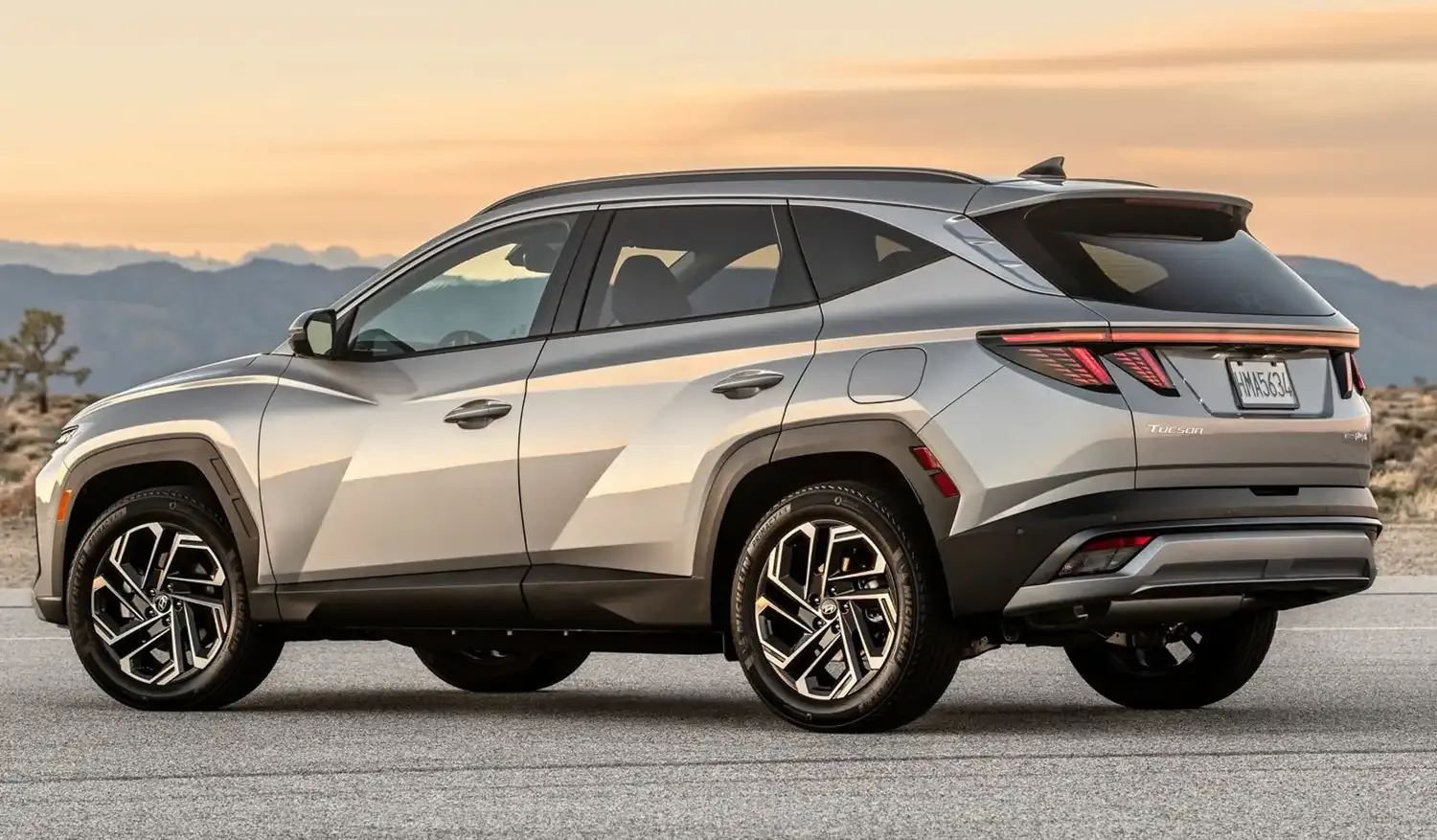
Understanding Hyundai Tucson common problems can help owners recognize warning signs early and arrange repairs before a small issue turns into a more expensive one.
It is important to remember that Hyundai Tucson problems can vary depending on the model year, generation, engine, transmission, mileage, driving conditions, maintenance history, and previous repairs. A problem reported on one Tucson does not necessarily mean that every Tucson will experience the same issue.
At CarWorkshop, proper vehicle diagnosis and preventive maintenance are important for keeping vehicles dependable and safe. When a Tucson develops an unusual noise, warning light, performance issue, or other symptom, professional diagnosis can help identify the actual cause rather than simply replacing parts based on assumptions.
Is the Hyundai Tucson Reliable?
The Hyundai Tucson can be a reliable and practical SUV when it is properly maintained. However, reliability depends on more than the vehicle's make and model.
The condition of an individual Tucson can be influenced by:
Model year and generation
Engine and transmission
Mileage
Maintenance history
Driving habits
Road conditions
Previous accident damage
Quality of previous repairs
Brake and suspension condition
Battery and electrical-system condition
A well-maintained Tucson with higher mileage can sometimes be a better purchase than a lower-mileage vehicle that has been neglected.
When evaluating Hyundai Tucson reliability, it is therefore important to look at the complete service history and current condition of the vehicle.
Hyundai Tucson Common Problems
Although the exact issues can vary between model years and configurations, there are several areas that owners and used-car buyers should pay attention to.
1. Hyundai Tucson Engine Problems
Engine problems are among the most important concerns to investigate, especially on an older or high-mileage Tucson.
Some engine problems develop gradually, while others can appear suddenly. Early symptoms may seem minor but should not always be ignored.
Common symptoms can include:
Rough or unstable idling
Engine misfires
Hesitation during acceleration
Reduced engine performance
Difficulty starting
Unusual engine noises
Poor fuel economy
Excessive vibration
Check engine light
Loss of power
Different components can produce similar symptoms. Possible causes may include ignition components, fuel-system problems, sensors, air-intake components, or other engine-management systems.
A diagnostic scan can help identify stored fault codes, but a fault code does not always mean that the component named in the code needs to be replaced.
What to do: If your Hyundai Tucson develops repeated misfires, unusual engine noises, loss of power, or a persistent warning light, arrange a professional inspection.
2. Oil Leaks and Oil Consumption
Oil-related issues are another area worth monitoring as a Tucson gets older.
A small oil leak may not immediately leave a large puddle underneath the vehicle. In some cases, oil consumption can also cause the engine oil level to fall without an obvious external leak.
Watch for:
Oil spots under the vehicle
Low engine oil level
Frequent oil top-ups
Burning oil smell
Oil around engine components
Visible leaks
Oil warning messages
Driving with insufficient engine oil can increase engine wear and potentially result in serious mechanical damage.
Maintenance tip: Check the engine oil regularly and investigate unexplained oil loss rather than simply adding oil repeatedly.
3. Hyundai Tucson Transmission Problems
Transmission behavior is an important part of evaluating Hyundai Tucson transmission problems.
Depending on the model year and transmission type, possible symptoms may include:
Harsh gear changes
Delayed engagement
Hesitation
Slipping
Shuddering
Difficulty changing gears
Unexpected changes in transmission behavior
Unusual transmission noises
Transmission warning lights
Transmission symptoms can have several causes. They may be related to fluid condition, sensors, electronic controls, clutch components, or internal mechanical wear.
It is also important not to assume that every unusual shift means the transmission itself has failed.
What to do: Have persistent transmission symptoms professionally diagnosed before major components are replaced.
4. Hyundai Tucson Starting Problems
Starting problems can occur for several different reasons, particularly as a vehicle gets older.
A Tucson may sometimes:
Crank slowly
Take longer to start
Fail to start
Start intermittently
Require multiple attempts
Display warning lights during starting
Possible causes can include:
Weak battery
Charging-system problems
Electrical connections
Starter-related issues
Ignition components
Fuel-system problems
Sensors or electronic controls
A battery test and charging-system inspection can help determine whether the problem is electrical or whether further diagnosis is required.
What to do: If starting problems happen repeatedly, have the vehicle inspected instead of continuing to rely on jump-starts.
5. Cooling System and Overheating Problems
The cooling system plays an essential role in maintaining a safe engine operating temperature.
Problems involving the cooling system can be caused by components such as:
Radiator
Thermostat
Cooling fan
Water pump
Hoses
Coolant leaks
Other cooling-system components
Warning signs may include:
Rising temperature gauge
Low coolant level
Coolant leaks
Unusual coolant smell
Steam from the engine compartment
Cooling fan running unusually often
Engine overheating
Temperature warning lights
Overheating should never be ignored because continued driving with an overheated engine can lead to serious mechanical damage.
What to do: If your Tucson is overheating, stop driving when it is safe to do so and arrange a professional cooling-system inspection.
6. Hyundai Tucson Battery and Electrical Problems
Modern Hyundai Tucson models depend on many electronic systems, sensors, control modules, and electrical components.
A weak battery or charging-system problem can sometimes create several warning lights or electrical symptoms at the same time.
Possible signs include:
Slow engine cranking
Difficulty starting
Flickering lights
Multiple dashboard warning lights
Intermittent electrical failures
Infotainment problems
Accessory malfunctions
Battery warning light
A weak battery is one possible cause, but replacing the battery will not solve every electrical problem.
The actual cause could involve:
Battery condition
Alternator or charging system
Wiring
Electrical connections
Fuses
Sensors
Electronic control components
What to do: Have the battery, charging system, and relevant electrical components tested to identify the actual fault.
7. Suspension and Steering Issues
Suspension and steering components are exposed to constant stress from potholes, uneven roads, braking, cornering, and normal driving.
As mileage increases, worn components can affect ride comfort, steering response, tire wear, and handling.
Common warning signs include:
Clunking or knocking noises
Noises over bumps
Steering vibration
Uneven tire wear
Excessive bouncing
Vehicle pulling to one side
Loose steering feel
Changes in handling
These symptoms can have several possible causes, including worn suspension components, steering parts, tires, or wheel-alignment problems.
Because steering and suspension directly affect vehicle control, unusual handling should be inspected promptly.
8. Hyundai Tucson Brake Problems
Brake components naturally wear over time, and their lifespan depends on driving style, traffic conditions, mileage, road conditions, and vehicle usage.
Common brake warning signs include:
Squealing
Grinding
Brake vibration
Vehicle pulling while braking
Reduced braking performance
Changes in brake-pedal feel
Brake warning light
Worn brake pads are one possible cause, but brake symptoms can also be related to rotors, sticking components, hydraulic problems, tires, or other parts of the braking system.
Important: If you notice a significant change in braking performance, have the vehicle inspected as soon as possible.
9. Hyundai Tucson Air Conditioning Problems
Air conditioning and HVAC problems can become more noticeable as the vehicle gets older.
A Tucson may gradually lose cooling performance or develop other HVAC symptoms.
Potential signs include:
Warm air from the vents
Weak airflow
Intermittent cooling
Unusual HVAC noises
Unpleasant odors
Uneven cabin temperature
Possible causes can include:
Refrigerant leaks
Compressor problems
Blower components
Electrical faults
Restricted airflow
Other HVAC-related issues
Simply adding refrigerant may not permanently fix the problem if there is an underlying leak.
What to do: Have the air-conditioning system inspected to identify the actual cause before replacing components unnecessarily.
10. Dashboard Warning Lights and Sensor Problems
Modern Tucson models use numerous sensors and electronic systems to monitor vehicle operation.
A dashboard warning light should not automatically be ignored, even if the vehicle appears to be driving normally.
Possible warning lights include:
Check engine
ABS
Airbag
Battery
Traction control
Stability control
Tire pressure
Other electronic-system warnings
A diagnostic scan can retrieve trouble codes and provide useful information.
However, a diagnostic code is not always proof that the related component has failed. Proper testing should be carried out before replacing parts.
What to do: If a warning light stays on, appears repeatedly, or is accompanied by a noticeable change in vehicle performance, arrange a professional diagnosis.
Hyundai Tucson Problems by Model Year
One important factor when researching Hyundai Tucson common problems is the exact model year.
The Tucson has been produced across different generations, and its engines, transmissions, electronic systems, safety equipment, and other components can vary.
Different model years may have different:
Engines
Transmissions
Powertrain systems
Electrical components
Suspension components
Safety systems
Fuel-system components
Infotainment systems
For this reason, you should avoid assuming that a problem reported on one Tucson automatically applies to every model.
When researching a specific problem, consider:
Model year
Generation
Engine
Transmission
Mileage
Service history
Previous repairs
Accident history
Driving conditions
This information can make diagnosis and maintenance decisions much more accurate.
Hyundai Tucson Reliability and Maintenance Tips
Regular maintenance is one of the best ways to support long-term Hyundai Tucson reliability.
Owners should make a habit of:
Following the recommended maintenance schedule
Checking engine oil regularly
Replacing oil and filters at appropriate intervals
Monitoring coolant levels
Checking engine temperature
Inspecting brakes
Checking tire condition and pressure
Monitoring battery performance
Paying attention to unusual noises
Addressing warning lights promptly
Maintaining the transmission according to manufacturer requirements
Keeping service and repair records
Preventive maintenance cannot prevent every mechanical failure, but it can help identify developing problems before they become major repairs.
Signs Your Hyundai Tucson Needs Professional Attention
Some vehicle problems are minor, while others require immediate attention.
Consider arranging a professional inspection if you notice:
Persistent check engine light
Repeated engine misfires
Significant oil loss
Coolant loss
Engine overheating
Harsh transmission shifting
Delayed gear engagement
Unusual engine or transmission noises
Brake problems
Steering changes
Multiple electrical warning lights
Repeated starting problems
Significant loss of performance
Ignoring persistent symptoms can allow an underlying problem to become more complicated.
Should You Buy a Used Hyundai Tucson?
A used Hyundai Tucson can be a practical choice when the individual vehicle has been properly maintained.
However, mileage should not be the only factor you consider.
Before purchasing a used Tucson, check:
Service history
Engine performance
Engine oil condition
Coolant level
Transmission operation
Warning lights
Diagnostic trouble codes
Brake condition
Tire condition
Suspension
Steering
Battery and charging system
Air conditioning
Electrical equipment
Accident history
Previous repairs
A professional pre-purchase inspection is also a good idea.
A short test drive may not reveal an intermittent electrical fault, developing transmission problem, cooling-system issue, or suspension problem.
How to Reduce Hyundai Tucson Problems
While no maintenance plan can prevent every possible failure, good vehicle care can reduce avoidable problems.
Here are some practical steps:
Follow the maintenance schedule
Do not delay routine servicing unnecessarily.Check fluids regularly
Monitor engine oil and coolant levels and look for unexplained fluid loss.Pay attention to warning lights
Do not ignore persistent dashboard warnings.Listen for unusual noises
Knocking, grinding, squealing, or repeated clunking can indicate a developing problem.Check tires and brakes
Uneven tire wear or changes in braking performance should be investigated.Maintain the battery
Starting or electrical problems can sometimes be prevented by identifying battery and charging-system issues early.Keep service records
A detailed maintenance history can make future diagnosis easier and can add value when selling the vehicle.Get problems diagnosed early
Addressing a problem while it is still developing may help avoid more expensive repairs.
Professional Hyundai Tucson Repair and Maintenance at CarWorkshop
Correct diagnosis is important when dealing with Hyundai Tucson issues.
Replacing parts without identifying the actual cause can result in unnecessary expenses and may not solve the problem.
At CarWorkshop, professional vehicle inspection, diagnostics, maintenance, and repair services can help identify the source of mechanical and electrical problems.
Whether your Tucson is experiencing:
Engine problems
Transmission concerns
Overheating
Battery or electrical issues
Brake problems
Suspension noise
Steering concerns
Air-conditioning problems
Dashboard warning lights
Starting difficulties
A proper inspection can help determine what needs attention and what type of repair may be appropriate.
FAQs – Hyundai Tucson Common Problems
1. What are the most common Hyundai Tucson problems?
Common areas to monitor can include engine performance, oil leaks or consumption, transmission behavior, cooling-system problems, battery and electrical faults, suspension wear, brake issues, air-conditioning problems, and warning lights. The exact issues depend on the model year and vehicle condition.
2. Is the Hyundai Tucson reliable?
The Hyundai Tucson can be a reliable SUV when it is properly maintained. Reliability depends on factors such as model year, engine, transmission, mileage, service history, driving conditions, and previous repairs.
3. What are common Hyundai Tucson engine problems?
Potential engine symptoms include rough idling, misfires, hesitation, unusual noises, reduced performance, oil loss, overheating, starting problems, and warning lights. Several different faults can produce similar symptoms, so professional diagnosis is recommended.
4. Does the Hyundai Tucson have transmission problems?
Transmission problems can occur, although the type and severity can vary between model years and transmission configurations. Harsh shifting, slipping, hesitation, delayed engagement, or unusual noises should be professionally inspected.
5. Can a Hyundai Tucson overheat?
Yes, overheating can occur if there is a problem with the cooling system or another component affecting engine temperature. Low coolant, leaks, thermostat problems, cooling-fan issues, or other cooling-system faults can contribute to overheating.
6. What causes Hyundai Tucson electrical problems?
Electrical symptoms can have several causes, including a weak battery, charging-system problems, poor connections, wiring issues, sensors, or electronic components. Proper testing is important because replacing the battery alone may not solve the underlying issue.
7. Is a used Hyundai Tucson worth buying?
A used Tucson can be worth considering if it has a good service history, is in good mechanical condition, and passes a thorough inspection. Mileage alone should not determine whether a used Tucson is a good purchase.
8. How can I prevent Hyundai Tucson problems?
You can reduce the risk of avoidable problems by following the recommended maintenance schedule, checking fluids, maintaining the battery, inspecting brakes and tires, monitoring warning lights, and addressing unusual noises or performance changes early.
9. Can Hyundai Tucson problems vary by model year?
Yes. Different generations and model years can use different engines, transmissions, electronic systems, and mechanical components. Always research the exact model year and configuration when investigating a reported problem.
Get Professional Help With Hyundai Tucson Issues
Persistent warning lights, unusual noises, overheating, shifting problems, starting difficulties, braking concerns, or significant performance changes should not be ignored.
At CarWorkshop, professional diagnostics and vehicle inspections can help identify the cause of Hyundai Tucson problems and determine the appropriate maintenance or repair solution.
Whether you need routine servicing, diagnostic testing, a pre-purchase inspection, or help with a specific Tucson issue, proper diagnosis can help you make a more informed repair decision.
Conclusion
Understanding Hyundai Tucson common problems can help owners recognize warning signs and make better decisions about maintenance, repairs, and used-car purchases.
The main areas to monitor include:
Engine performance
Oil leaks and oil consumption
Transmission behavior
Cooling system
Battery and electrical components
Brakes
Suspension and steering
Air conditioning
Dashboard warning lights
Not every Hyundai Tucson will experience these problems, and the severity can vary between individual vehicles.
Model year, engine, transmission, mileage, maintenance history, driving conditions, and previous repairs can all influence Hyundai Tucson reliability.
Regular servicing and early diagnosis remain two of the best ways to keep your Tucson in good condition.
If your vehicle is showing persistent Hyundai Tucson issues, CarWorkshop can help with professional inspection, diagnostics, maintenance, and repair support.