GMC Acadia Common Problems and Reliability Guide
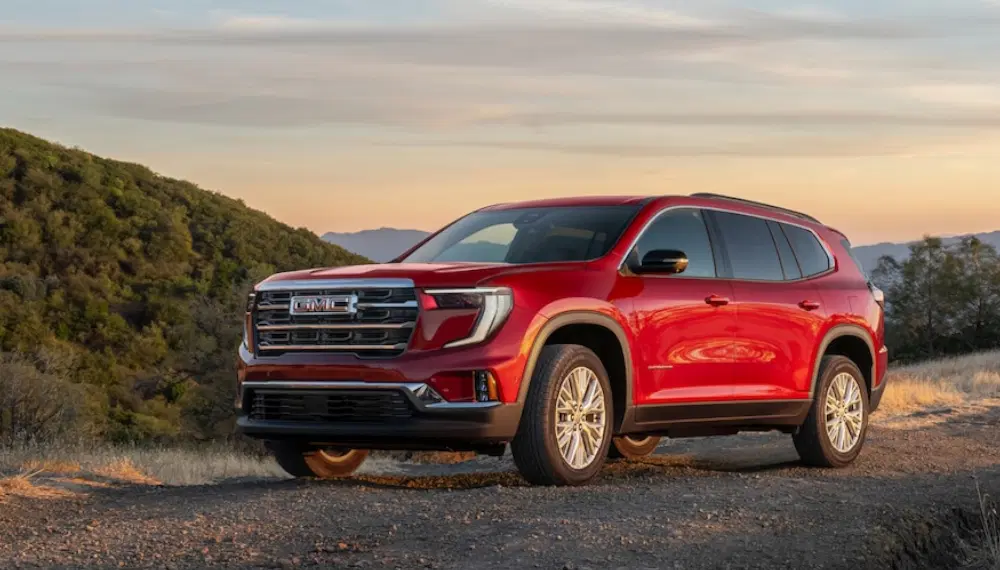
At CarWorkshop, understanding the symptoms behind vehicle problems is an important part of proper automotive maintenance and repair. While some GMC Acadia issues may be related to normal wear, others can develop because of mileage, maintenance history, specific components, or the vehicle's model year and configuration.
It is important to remember that GMC Acadia problems can vary between generations, model years, engines, transmissions, mileage levels, and individual maintenance histories. A properly serviced Acadia may have a very different ownership experience from one that has been neglected.
Is the GMC Acadia Reliable?
The GMC Acadia can provide dependable everyday transportation when it receives regular maintenance and timely repairs. However, GMC Acadia reliability should be judged by the condition and history of the individual vehicle rather than the model name alone.
Different Acadia generations and model years can use different engines, transmissions, electronic systems, suspension components, and safety technology. Therefore, a problem associated with one particular version should not automatically be considered a problem with every Acadia.
When evaluating a used Acadia, consider:
Model year and generation
Engine specification
Transmission type
Mileage
Maintenance history
Driving conditions
Previous repairs
Accident history
Vehicle modifications
Quality of replacement parts
Regular servicing can help identify developing faults before they become more complicated or expensive.
GMC Acadia Common Problems
When researching common GMC Acadia problems, several areas deserve particular attention. Some are associated with normal component wear, while others may result from mechanical faults, electrical problems, age, mileage, or inadequate maintenance.
It is also important to remember that one symptom can have several possible causes. For example, poor acceleration could be related to the engine, ignition system, fuel delivery, sensors, or transmission.
1. Engine Misfires and Rough Running
Engine performance problems can affect drivability and may be one of the first signs that an Acadia needs attention.
Depending on the engine and vehicle condition, misfires or rough running may be associated with ignition components, fuel delivery, sensors, air intake problems, or other engine management systems.
Common symptoms include:
Rough or unstable idle
Engine hesitation
Reduced acceleration
Engine vibration
Difficulty starting
Poor fuel economy
Check engine light
A diagnostic scan can help identify stored fault codes, but a code does not always identify the actual failed component. Additional testing may be necessary.
What to do: Persistent misfires, hesitation, or warning lights should be professionally diagnosed rather than ignored.
2. Oil Leaks and Excessive Oil Consumption
Oil-related concerns are another area to monitor when looking at GMC Acadia engine problems.
A leak may develop gradually, while excessive oil consumption may not be immediately visible to the driver.
Potential warning signs include:
Oil spots underneath the vehicle
Low engine oil level
Burning oil smell
Oil around engine components
Frequent oil top-ups
Visible leaks
The source may involve seals, gaskets, covers, hoses, or other engine components.
If the oil level repeatedly drops, simply adding oil may not address the underlying problem.
What to do: Check the oil level regularly and use the correct specification for the particular engine. Persistent oil loss should be inspected by a qualified technician.
3. Transmission and Gear-Shifting Problems
Transmission behavior is an important consideration when researching GMC Acadia transmission problems.
Depending on the generation and model year, symptoms can vary from mild hesitation to more noticeable shifting problems.
Potential symptoms include:
Harsh gear changes
Delayed engagement
Transmission hesitation
Slipping
Difficulty selecting gears
Unexpected shifts
Unusual drivetrain noises
Transmission warning messages
Possible causes can include fluid condition, sensors, electronic controls, clutch components, software, or internal mechanical wear.
Ignoring significant transmission symptoms can potentially allow the problem to become more difficult and expensive to repair.
What to do: Have unusual shifting behavior professionally diagnosed before continuing to operate the vehicle for an extended period.
4. Cooling System and Overheating Issues
The cooling system is responsible for keeping the engine within its normal operating temperature range.
Problems involving coolant, hoses, the radiator, thermostat, water pump, cooling fan, or related components can contribute to overheating.
Watch for:
Low coolant level
Coolant leaks
Rising engine temperature
Cooling fan running unusually often
Coolant warning messages
Unusual coolant smell
Steam from the engine area
Overheating should never be ignored because continued operation at excessive temperatures can result in serious engine damage.
What to do: If the Acadia is overheating, stop driving when it is safe to do so and arrange a professional inspection.
5. Electrical and Battery Problems
Modern vehicles rely on extensive electrical and electronic systems, and the Acadia is no exception.
Battery condition, charging-system problems, wiring, connections, sensors, or electronic modules can produce a wide range of symptoms.
Possible signs include:
Difficulty starting
Multiple warning lights
Intermittent electrical faults
Infotainment problems
Flickering lights
Accessory malfunctions
Battery or charging warnings
A weak battery can sometimes trigger several unrelated-looking symptoms. However, replacing the battery may not resolve the issue if the actual cause involves the alternator, wiring, connections, or another electrical component.
What to do: A battery and charging-system test combined with appropriate diagnostic testing can help determine the underlying cause.
6. Suspension and Steering Wear
Suspension and steering components experience constant loads from braking, cornering, uneven roads, and everyday driving.
As mileage increases, wear can affect ride quality, handling, and tire wear.
Potential symptoms include:
Clunking or knocking sounds
Steering vibration
Uneven tire wear
Excessive bouncing
Vehicle pulling to one side
Changes in handling
Noises over bumps
Because these systems influence vehicle control, noticeable changes should be investigated promptly.
What to do: Have the steering, suspension, tires, and wheel alignment inspected if unusual handling or noises develop.
7. Brake Wear and Brake Problems
Brake components naturally wear over time, but unusual braking behavior can indicate a problem that requires attention.
Common warning signs include:
Squealing
Grinding
Brake vibration
Pulling while braking
Reduced braking performance
Brake warning light
Changes in pedal feel
Possible causes include worn brake pads, uneven rotors, sticking components, hydraulic issues, or other brake-system faults.
Because brakes are safety-critical, noticeable changes in braking performance should be inspected without unnecessary delay.
8. Air Conditioning and HVAC Problems
The Acadia's heating and air-conditioning system can develop problems that affect cabin comfort.
Weak cooling or inconsistent airflow may be caused by refrigerant issues, leaks, compressor problems, electrical faults, restricted airflow, blower components, or other HVAC-related concerns.
Possible symptoms include:
Warm air from the vents
Weak airflow
Intermittent cooling
Unusual noises
Unpleasant odors
Uneven cabin temperature
Simply adding refrigerant may not solve the problem if the system has a leak or another underlying fault.
A professional inspection can help identify whether the issue is related to the refrigerant system, compressor, blower, electrical controls, or airflow.
9. Warning Lights and Sensor Faults
Dashboard warning lights should not be ignored simply because the vehicle continues to drive normally.
Possible warning indicators can include:
Check engine
ABS
Airbag
Battery or charging system
Traction control
Stability control
Tire pressure monitoring
Other vehicle-system warnings
A diagnostic scan can identify stored fault codes, but replacing a component solely because it appears in a fault code may lead to unnecessary repairs.
The fault code should be considered alongside the vehicle's symptoms and additional diagnostic testing.
10. Fuel Economy and Performance Changes
A noticeable change in fuel economy can sometimes be an early indication of an underlying vehicle problem.
Possible contributing factors include:
Engine performance issues
Ignition problems
Fuel delivery concerns
Sensor faults
Tire pressure
Air intake restrictions
Transmission behavior
Driving conditions
Fuel consumption naturally changes according to traffic, weather, driving style, load, and road conditions. However, a sudden decrease accompanied by hesitation, rough running, or warning lights deserves further investigation.
GMC Acadia Engine Problems
When considering GMC Acadia common problems, engine condition should be one of the main areas of inspection.
Potential GMC Acadia engine problems can involve:
Misfires
Rough running
Hesitation
Reduced acceleration
Oil leaks
Oil consumption
Overheating
Unusual noises
Check engine lights
Poor fuel economy
The exact cause can vary according to the engine and model year. Similar symptoms can originate from ignition components, fuel delivery, sensors, air intake systems, cooling components, or other vehicle systems.
Regular oil changes, correct fluids, appropriate maintenance, and timely diagnosis can help maintain engine performance.
GMC Acadia Transmission Problems
Transmission issues are another important part of evaluating GMC Acadia issues, particularly on higher-mileage vehicles.
Potential symptoms include:
Harsh shifting
Delayed engagement
Hesitation
Slipping
Unusual noises
Difficulty selecting gears
Unexpected shifts
Transmission warning messages
Transmission specifications can differ between model years and generations, so diagnosis should always consider the exact vehicle configuration.
A technician can determine whether symptoms are related to fluid condition, electronic controls, sensors, clutch components, software, or internal mechanical wear.
GMC Acadia Maintenance and Prevention
Good maintenance can reduce the likelihood of avoidable problems and help identify developing faults before they become major repairs.
Acadia owners should:
Follow the recommended maintenance schedule.
Check engine oil levels regularly.
Use the correct oil and vehicle fluids.
Monitor coolant levels and engine temperature.
Inspect brakes and tires.
Check battery and charging-system condition.
Pay attention to unusual noises and vibrations.
Address dashboard warning lights promptly.
Maintain the transmission according to manufacturer requirements.
Keep accurate service records.
Have recurring symptoms professionally diagnosed.
Regular maintenance can be significantly easier to manage than unexpected major repairs caused by neglected warning signs.
GMC Acadia Problems by Model Year and Generation
One important consideration when researching GMC Acadia problems is that different generations and model years can have different mechanical and electronic configurations.
Engine choices, transmissions, drivetrain systems, electronics, safety equipment, and suspension components can change over time.
Before assuming that a reported issue applies to your vehicle, check:
Exact model year
Generation
Engine
Transmission
Drivetrain
Mileage
Service history
Previous repairs
Accident history
Modifications
Researching the exact vehicle specification provides a more accurate picture than assuming every Acadia experiences the same problems.
Should You Buy a Used GMC Acadia?
A used GMC Acadia can be worth considering when the individual vehicle has been properly maintained and passes a thorough inspection.
Mileage should not be considered on its own. A higher-mileage Acadia with detailed maintenance records may be a better purchase than a lower-mileage example with an uncertain history.
Before buying a used Acadia, inspect:
Service history
Engine performance
Oil and coolant levels
Transmission operation
Warning lights
Diagnostic fault codes
Cooling system
Brake condition
Tire condition
Suspension
Steering
Battery and charging system
Air conditioning
Interior electronics
Accident history
Previous modifications
A professional pre-purchase inspection can reveal issues that may not be noticeable during a short test drive.
When Should You Take Your GMC Acadia to a Professional?
Not every unusual noise or warning light indicates a major failure, but some symptoms should receive prompt attention.
Arrange a professional inspection if your Acadia develops:
Serious overheating
Significant oil or coolant loss
Persistent engine misfires
Major transmission symptoms
Brake problems
Steering problems
Unusual engine noises
Serious warning lights
Major loss of performance
Significant changes in handling
Safety-critical systems should not be diagnosed solely from online information.
If the vehicle becomes unsafe to operate, stop driving it and arrange appropriate professional assistance.
Professional GMC Acadia Repair and Maintenance at CarWorkshop
Accurate diagnosis is an important part of effective vehicle repair. Replacing components based only on symptoms or a single diagnostic code can result in unnecessary repairs and additional costs.
CarWorkshop provides professional automotive repair and maintenance assistance for vehicle owners dealing with mechanical, electrical, diagnostic, and routine maintenance concerns.
If your Acadia is experiencing GMC Acadia engine problems, transmission concerns, warning lights, unusual noises, overheating, electrical faults, or poor performance, professional inspection can help identify the actual cause.
Whether you need routine maintenance, fault diagnosis, or repair assistance, CarWorkshop can help you understand what your vehicle needs before a small issue develops into a more serious problem.
FAQ's - GMC Acadia Common Problems
1. What are the most common GMC Acadia problems?
Common concerns can include engine performance issues, transmission problems, cooling-system faults, electrical problems, suspension wear, brake issues, HVAC concerns, sensor faults, and fuel-economy changes. The exact problems depend on the model year, engine, mileage, and maintenance history.
2. Is the GMC Acadia reliable?
The GMC Acadia can provide dependable transportation when properly maintained. However, GMC Acadia reliability can vary according to generation, model year, engine, transmission, mileage, service history, and individual vehicle condition.
3. What are common GMC Acadia engine problems?
Potential GMC Acadia engine problems include misfires, rough running, hesitation, oil leaks, oil consumption, overheating, reduced performance, unusual noises, and warning lights. Proper diagnosis is important because different faults can produce similar symptoms.
4. Does the GMC Acadia have transmission problems?
Transmission problems can occur, although the type and severity can vary by model year, transmission, mileage, maintenance history, and vehicle condition. Harsh shifting, slipping, hesitation, delayed engagement, or unusual noises should be inspected.
5. Is a used GMC Acadia worth buying?
A used Acadia can be worth considering when it has a strong maintenance history and passes a thorough mechanical inspection. Condition, service records, and maintenance should be considered alongside mileage.
6. Is the GMC Acadia expensive to maintain?
Maintenance and repair costs vary according to model year, engine, transmission, mileage, parts, labor, and the type of repair required. Routine maintenance is generally easier to anticipate than major unexpected repairs.
7. How can I prevent GMC Acadia problems?
Follow the manufacturer's maintenance schedule, use the correct fluids, monitor oil and coolant levels, inspect brakes and tires, maintain the battery and charging system, and address unusual symptoms or dashboard warning lights promptly.
8. What should I check before buying a used GMC Acadia?
Check the service history, engine, transmission, cooling system, warning lights, diagnostic codes, brakes, tires, suspension, steering, battery, air conditioning, electronics, accident history, and previous repairs. A professional pre-purchase inspection is recommended.
9. When should I take my GMC Acadia to a repair shop?
Professional assistance is recommended for serious overheating, significant fluid loss, persistent misfires, major transmission symptoms, brake or steering problems, unusual engine noises, serious warning lights, or substantial performance changes.
10. Can GMC Acadia problems vary by model year?
Yes. Different Acadia generations and model years can use different engines, transmissions, electronics, and mechanical components. Always research the exact year and configuration rather than assuming an issue applies to every Acadia.
Get Professional Help for GMC Acadia Problems
Persistent warning lights, unusual noises, overheating, poor performance, shifting problems, or electrical faults should be properly investigated rather than ignored.
At CarWorkshop, professional inspection and accurate diagnosis can help vehicle owners understand the cause of GMC Acadia issues and determine the appropriate repair or maintenance solution.
If your Acadia needs inspection, maintenance, diagnostics, or repair assistance, CarWorkshop can help you address the problem and keep your vehicle operating safely and reliably.
Conclusion
Understanding GMC Acadia common problems can help owners recognize warning signs and make better decisions about maintenance and repairs. Potential concerns can involve the engine, transmission, cooling system, electrical components, suspension, brakes, HVAC system, sensors, and other vehicle systems.
However, GMC Acadia problems can vary significantly depending on the generation, model year, engine, transmission, mileage, maintenance history, and individual vehicle condition.
Whether you already own an Acadia or are considering purchasing one, regular maintenance and early diagnosis can make a significant difference. CarWorkshop can assist with professional inspection, diagnostics, maintenance, and repair when your vehicle develops persistent GMC Acadia issues.
Taking action early can help prevent minor symptoms from developing into more complicated and expensive repairs.