Daewoo Cars Common Problems and Solutions
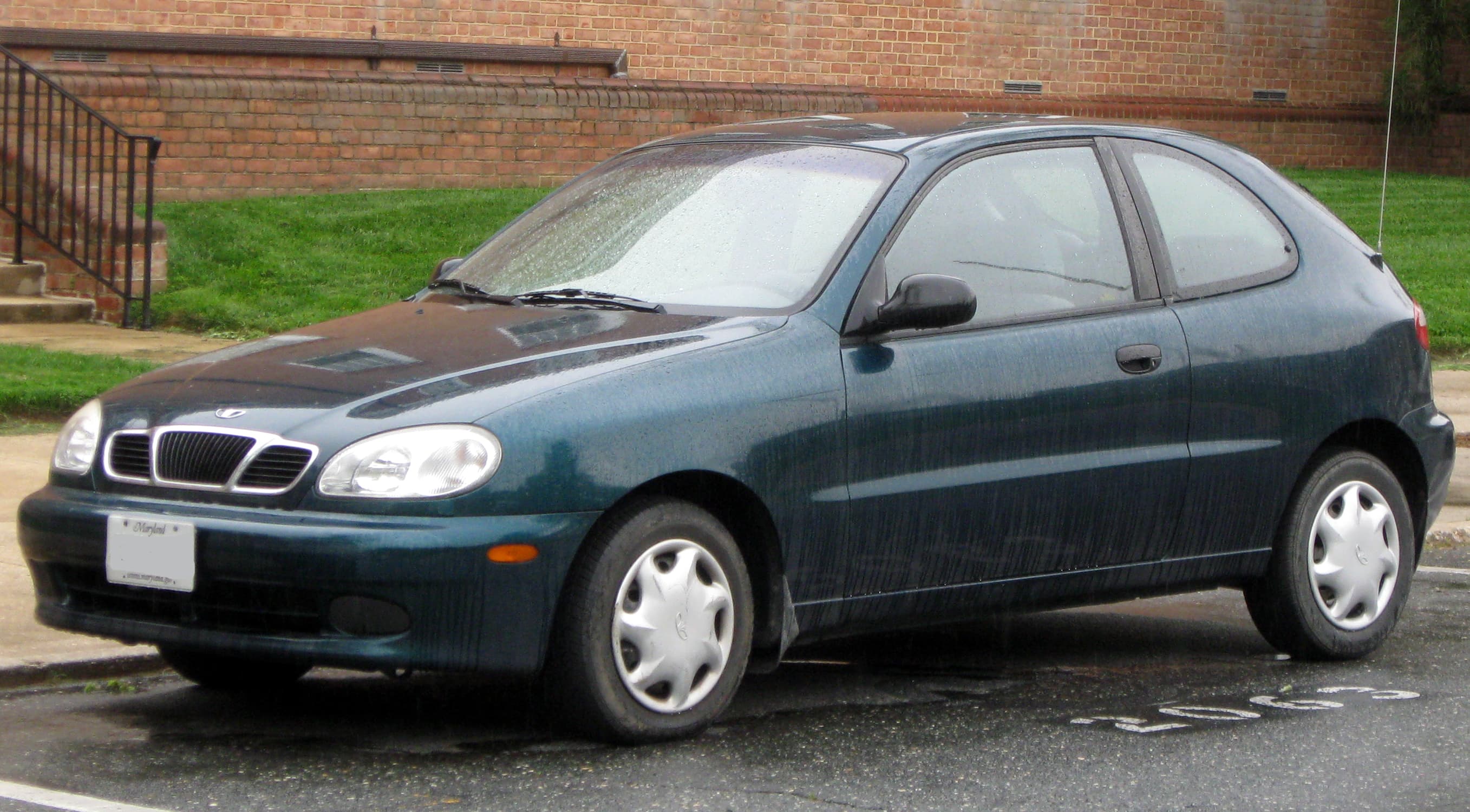
If you are researching Daewoo cars common problems, it is important to understand that not every Daewoo has the same faults. Engine, transmission and equipment can vary between models and markets. A problem found on one Daewoo model should not automatically be considered a weakness across the entire range.
Common Daewoo car problems can include engine oil leaks, cooling system faults, transmission issues, electrical problems, brake wear, suspension deterioration and starting difficulties. Recognizing the symptoms early and addressing the underlying cause can help prevent more serious repairs.
Are Daewoo Cars Reliable?
Daewoo car reliability depends heavily on the condition of the individual vehicle. While the original design and engineering are important, the age of most Daewoo vehicles on the road today means maintenance history and previous repairs can be equally important.
An older Daewoo with regular servicing can continue to provide practical transportation, while a neglected example may develop several problems at the same time.
What Affects Daewoo Car Reliability?
Several factors can influence how reliably an older Daewoo performs:
Model and engine configuration
Vehicle age and mileage
Maintenance history
Driving conditions
Quality of previous repairs
Availability of replacement parts
Condition of mechanical and electrical components
Whether earlier warning signs were addressed
This is why a vehicle should be assessed individually rather than relying only on general opinions about Daewoo common issues.
Daewoo Cars Common Problems You Should Know
Most older vehicle problems develop gradually. Paying attention to changes in engine performance, fluid levels, braking, shifting and electrical operation can help identify faults before they become more serious.
Here are some of the most important Daewoo car problems and solutions owners should understand.
1. Daewoo Engine Oil Leaks
Engine oil leaks are among the common problems that can appear as an older Daewoo accumulates mileage. Gaskets and seals can harden or deteriorate over time, allowing oil to escape.
A small leak may initially leave only a little residue, while a larger leak can result in oil spots underneath the vehicle or a noticeable burning smell.
Common symptoms:
Oil spots beneath the vehicle
Low engine oil level
Burning oil smell
Oil residue around the engine
Smoke if oil reaches hot components
Possible causes
Worn gaskets, seals and aging engine components can contribute to oil leaks. The exact cause depends on the model and engine.
How is it diagnosed?
The engine should be inspected for visible oil residue. If the source is difficult to identify, cleaning the affected area and monitoring for fresh leakage can help locate the problem.
Solution
The source of the leak should be repaired rather than repeatedly topping up the engine oil. Depending on the diagnosis, the repair may involve replacing a gasket, seal or another damaged component.
Prevention
Check the engine oil level regularly and investigate unexplained oil loss. Addressing a small leak early can help prevent additional engine problems.
2. Daewoo Engine Overheating and Cooling Problems
Cooling system problems are especially important on older vehicles because hoses, thermostats, radiators, water pumps and other components can deteriorate with age.
A Daewoo overheating problem should never be ignored because excessive engine temperature can result in serious internal damage.
Common symptoms:
Temperature gauge rising
Engine overheating
Coolant loss
Coolant smell
Steam from the engine compartment
Cooling fan operating frequently
Possible causes
Potential causes include coolant leaks, a faulty thermostat, radiator problems, damaged hoses, cooling fan faults or water pump problems.
How is it diagnosed?
A technician can inspect the cooling system and look for leaks or damaged components. A pressure test may help locate certain coolant leaks, while the thermostat, radiator, water pump and cooling fan can be checked separately.
Solution
The failed cooling system component should be repaired or replaced. After the repair, the system should be checked to confirm that coolant circulation and engine temperature are normal.
Prevention
Monitor coolant levels and investigate repeated coolant loss. If the engine temperature rises beyond its normal range, stop driving when safe and arrange professional assistance.
Safety warning: Never remove a radiator or coolant reservoir cap while the engine is hot. Pressurized coolant can cause serious burns.
3. Daewoo Transmission Problems
Daewoo transmission problems can develop as a vehicle gets older and accumulates mileage. Manual and automatic transmissions can experience different types of wear.
Symptoms can range from difficulty selecting gears to slipping or delayed engagement.
Common symptoms:
Difficulty changing gears
Delayed engagement
Gear slipping
Harsh shifting
Grinding or unusual noises
Transmission fluid leaks
Possible causes
Depending on the model and transmission, the problem could involve worn components, fluid condition, clutch wear, linkage problems or internal transmission damage.
How is it diagnosed?
A technician should assess the transmission during operation and inspect the relevant components. Fluid level and condition should also be checked where applicable.
Solution
The repair depends on the actual cause. A clutch, linkage or fluid related problem may require a relatively different repair from internal transmission damage.
A complete transmission replacement should not be recommended without first confirming the underlying fault.
Prevention
Use the correct transmission fluid where applicable and investigate unusual shifting, grinding or slipping as soon as it appears.
4. Daewoo Electrical Problems
Electrical faults are another area worth monitoring in older vehicles. Batteries, alternators, wiring, switches, connectors and sensors can deteriorate with age.
Daewoo electrical problems may be intermittent, making them difficult to identify without proper testing.
Common symptoms:
Difficulty starting
Headlights or interior lights behaving incorrectly
Electrical accessories failing
Dashboard warning lights
Weak battery
Intermittent electrical faults
Possible causes
Potential causes include battery failure, alternator problems, damaged wiring, poor electrical connections, blown fuses or faulty switches and sensors.
How is it diagnosed?
Testing normally starts with the battery and charging system. Depending on the symptoms, fuses, wiring, connectors and individual electrical components may also need inspection.
Solution
The defective component or connection should be repaired after the cause has been confirmed. A weak battery may need replacement, while an alternator or wiring fault requires a different solution.
Replacing parts without proper diagnosis can result in unnecessary expense.
Prevention
Keep the battery and charging system in good condition and investigate recurring electrical problems rather than repeatedly replacing fuses or components.
5. Daewoo Brake Problems
Brake components naturally wear with use, making Daewoo brake problems an important maintenance concern, particularly on older vehicles.
Changes in braking performance should always be taken seriously.
Common symptoms:
Squealing or grinding
Brake pedal vibration
Reduced braking performance
Vehicle pulling to one side
Brake warning light
Unusual brake noise
Possible causes
Worn brake pads or discs, sticking calipers, contaminated components or hydraulic system problems can affect braking performance.
How is it diagnosed?
The brake system should be inspected, including pads, discs, calipers, brake fluid and other relevant components.
Solution
Worn or damaged brake components should be repaired or replaced according to their actual condition. The braking system should then be tested to ensure it operates correctly.
Prevention
Have the brakes inspected during routine maintenance and never ignore changes in braking performance.
Safety warning: Brake problems can directly affect vehicle safety and should be addressed promptly.
6. Daewoo Suspension Problems
Suspension components experience constant movement and can deteriorate with age and mileage. Worn suspension parts can affect comfort, handling and tyre wear.
Common symptoms:
Knocking sounds
Excessive bouncing
Uneven tyre wear
Poor handling
Increased vibration
Vehicle pulling to one side
Possible causes
Possible causes include worn shock absorbers, deteriorated bushings, damaged suspension joints or other worn components.
How is it diagnosed?
A technician can inspect suspension components for excessive movement, visible damage, leakage or deterioration.
Solution
The worn or damaged component should be replaced. Wheel alignment may also need checking if suspension repairs or uneven tyre wear are involved.
Prevention
Have suspension components inspected regularly and investigate new knocking noises or changes in handling.
7. Daewoo Starting Problems and Charging System Faults
Starting difficulties can have several causes. A vehicle that struggles to start does not necessarily have a faulty starter motor.
The battery, alternator and electrical connections should all be considered when investigating Daewoo starting problems.
Common symptoms:
Slow engine cranking
Clicking when starting
Intermittent starting
Battery warning light
Weak electrical systems
Possible causes
Potential causes include a weak battery, faulty starter motor, alternator failure or poor electrical connections.
How is it diagnosed?
The battery and charging system should be tested before replacing the starter motor. Electrical connections should also be inspected.
Solution
The failed component should be repaired or replaced after proper testing. If the battery is healthy but the alternator is not charging correctly, the charging system may require repair.
Prevention
Check battery condition and charging performance periodically, particularly before long journeys.
8. Daewoo Engine Performance Problems
Older Daewoo vehicles can develop engine performance issues as ignition, fuel system and engine management components age.
Symptoms can range from rough idling to poor acceleration or difficulty starting.
Common symptoms:
Rough idle
Poor acceleration
Engine hesitation
Difficulty starting
Increased fuel consumption
Check engine light
Possible causes
Potential causes include worn ignition components, fuel delivery problems, sensors, air intake issues or other engine management faults.
How is it diagnosed?
The engine should be scanned where diagnostic equipment is available. Depending on the symptoms, the ignition, fuel and air systems may also require testing.
Solution
The actual cause should be confirmed before replacing components. Depending on the diagnosis, the repair could involve replacing a worn ignition component, sensor or another faulty part.
Prevention
Follow the appropriate maintenance requirements and address rough running, hesitation or starting problems early.
Daewoo Warning Lights and What They Mean
Warning lights provide important information about the condition of the vehicle. Although an illuminated warning does not always indicate a major failure, it should not simply be ignored.
Check Engine Light
A check engine light can indicate an engine management, emissions, sensor or ignition related issue.
Solution: Have the vehicle properly diagnosed and identify the underlying fault instead of simply clearing the warning.
Battery Warning Light
A battery warning light can indicate a charging system problem rather than a battery problem alone.
Solution: Test the battery, alternator and electrical connections to determine the cause.
Temperature Warning
A temperature warning can indicate overheating or another cooling system problem.
Solution: Stop driving when safe, allow the engine to cool and arrange professional diagnosis.
How to Prevent Daewoo Common Issues
Preventive maintenance is particularly important for older Daewoo vehicles. Although maintenance cannot eliminate every possible fault, it can help identify wear and developing problems earlier.
Check Engine Oil
Monitor the oil level and investigate leaks or unusual oil consumption.
Monitor Coolant
Check coolant levels and investigate repeated coolant loss or overheating.
Maintain the Braking System
Brake pads, discs, fluid and related components should be inspected regularly.
Inspect Suspension Components
Knocking noises, uneven tyre wear and changes in handling should be checked promptly.
Maintain the Electrical System
A healthy battery, alternator and electrical connections can reduce starting and charging problems.
Fix Small Problems Early
A minor oil leak, unusual noise or intermittent electrical fault can sometimes be an early indication of a larger problem. Early diagnosis can help limit additional damage.
Daewoo Car Maintenance and Repair
Maintaining an older Daewoo requires attention to both routine servicing and age related wear. Components that were reliable when the vehicle was newer may eventually need replacement simply because of time and mileage.
Professional diagnosis is recommended if you experience:
Engine overheating
Major oil or coolant leaks
Transmission slipping
Serious brake problems
Persistent electrical faults
Difficulty starting
Sudden changes in engine performance
Persistent dashboard warnings
CarWorkshop provides automotive repair and maintenance services for vehicle owners who need help identifying and resolving mechanical or electrical faults.
For additional automotive maintenance and repair resources, visit CarWorkshop.
Used Daewoo Cars and Common Problems to Check
If you are considering an older Daewoo, its current condition and maintenance history should be more important than age alone.
Review the Maintenance History
Look for evidence of regular oil changes, cooling system work, brake maintenance and previous repairs.
Check for Fluid Leaks
Inspect the engine and underneath the vehicle for signs of oil, coolant or transmission fluid leakage.
Test the Engine
Listen for unusual noises and check for excessive smoke, rough running, overheating or hesitation.
Test the Transmission
Pay attention to gear engagement, shifting quality, slipping and unusual noises during a test drive.
Inspect Brakes and Suspension
Listen for grinding or knocking and check whether the vehicle brakes, steers and handles normally.
Consider a Professional Inspection
A professional inspection can identify Daewoo car problems that may not be obvious during a short test drive.
FAQ's - Daewoo Cars Common Problems
1. What are the most common Daewoo car problems?
Common concerns include engine oil leaks, cooling system problems, transmission issues, electrical faults, brake wear, suspension problems and starting or charging system faults.
2. Are Daewoo cars reliable?
Daewoo cars can remain practical and dependable when properly maintained. However, most examples are now older vehicles, so age, mileage, maintenance history and parts availability can significantly affect Daewoo car reliability.
3. Do Daewoo cars have engine problems?
Engine problems can occur as components age. Oil leaks, overheating, rough running, starting problems and drivability issues are among the areas that may require attention.
4. Do Daewoo cars have transmission problems?
Daewoo transmission problems can develop with age and mileage. Slipping, difficult gear changes, delayed engagement and unusual noises should be diagnosed before major repairs are considered.
5. Why is my Daewoo overheating?
Possible causes include coolant leaks, a faulty thermostat, radiator problems, cooling fan issues or water pump faults. The cooling system should be inspected rather than continuing to drive an overheating vehicle.
6. Why is my Daewoo difficult to start?
Daewoo starting problems can result from the battery, starter motor, alternator, electrical connections or engine related components. Proper testing is needed to identify the actual cause.
7. Are Daewoo cars expensive to repair?
Repair costs depend on the model, failed component, parts availability and labour rates. Since Daewoo vehicles are older, the availability of suitable replacement parts should also be considered.
8. How can I prevent Daewoo car problems?
Regular maintenance, fluid checks, brake inspections, cooling system checks and early diagnosis of unusual symptoms can help maintain an older Daewoo and reduce the likelihood of more serious problems.
9. Should I buy an old Daewoo?
An older Daewoo can be worth considering if it has been properly maintained and remains in good mechanical condition. A professional inspection is recommended before purchasing.
10. When should I take my Daewoo to a mechanic?
Seek professional assistance for overheating, serious brake problems, transmission slipping, major fluid leaks, repeated starting problems, persistent warning lights or significant changes in engine performance.
Final Thoughts
Daewoo cars can still provide practical and affordable transportation, but their age means maintenance and wear related issues deserve attention. Common concerns can involve the engine, cooling system, transmission, brakes, suspension and electrical components.
The exact Daewoo common issues depend on the model, engine, mileage, maintenance history and current condition. Paying attention to warning signs and addressing problems early can help prevent more serious repairs.
If you own a Daewoo or are considering purchasing one, a thorough inspection and consistent maintenance can make a significant difference. CarWorkshop can provide automotive repair and maintenance support when professional diagnosis or repairs are needed.